Investing in Gold
Introduction to Gold
More Than Just Jewelry
For thousands of years, gold has been more than just a shiny metal for making jewelry. It has been a symbol of wealth, power, and permanence across countless civilizations. From the pharaohs of ancient Egypt who were buried with intricate gold masks to the Roman Empire that minted gold coins for trade, this precious metal has held a special place in human history.
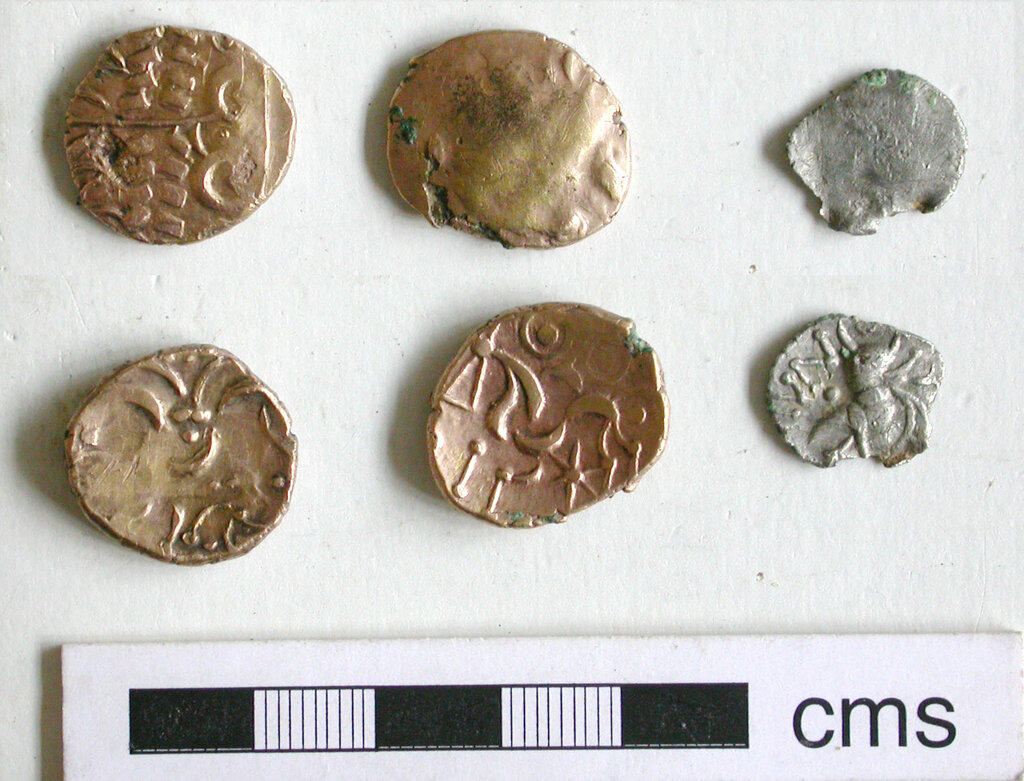
Unlike many other materials, gold has consistently been seen as a reliable store of value. It served as a universal form of money long before paper currency existed, connecting distant cultures through trade. This historical significance is not an accident; it's rooted in gold's unique combination of properties.
What Makes Gold Special?
Why gold? Out of all the elements on the periodic table, why did this one become the standard for wealth? It comes down to a few key characteristics that make it almost perfect for the job.
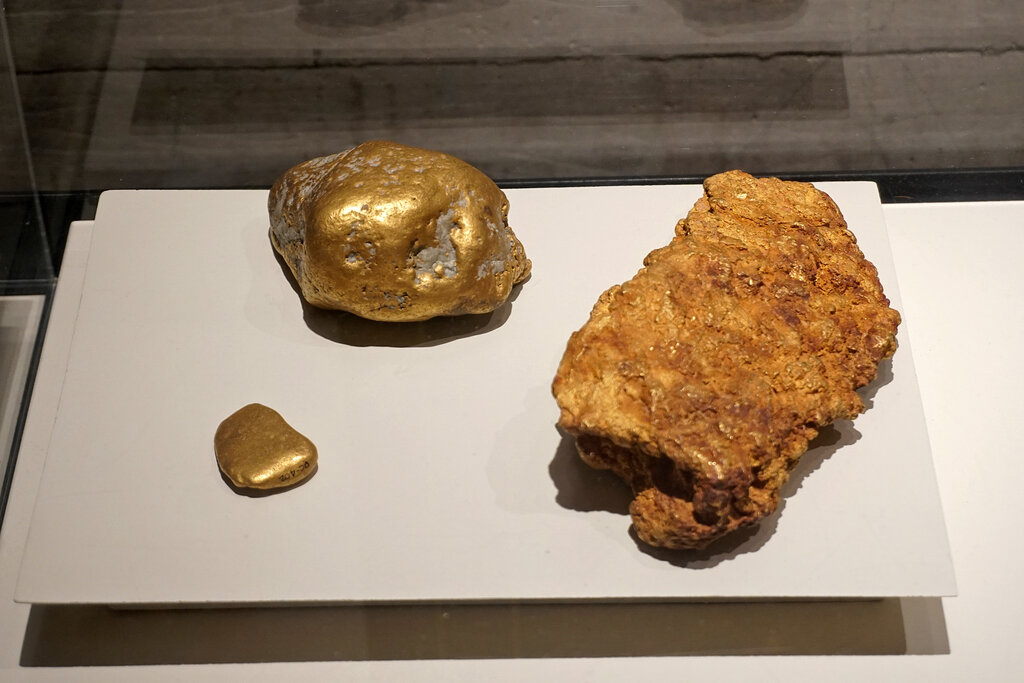
When gold is obtained in its pure form, it is seen as a bright, slightly reddish yellow, dense, soft, malleable, and ductile metal.
First, gold is chemically stable. It doesn't rust, tarnish, or corrode. A gold coin lost at sea for centuries will still look brilliant when found. This permanence means it can store value without degrading over time.
Second, it's rare, but not impossibly so. There's enough gold in the world to be used in coins and bars, but not so much that it's worthless. It strikes a perfect balance between scarcity and availability.
Finally, it's incredibly easy to work with. Gold is the most malleable of all metals.
malleable
adjective
Capable of being hammered or pressed into shape without breaking or cracking.
It's also highly ductile, meaning it can be drawn into a thin wire. These properties made it simple for early civilizations to melt, shape, and stamp it into standardized coins.
What Moves the Price of Gold?
Today, the value of gold is no longer tied directly to currencies, but it is still watched closely by investors and governments. Its price fluctuates based on several key factors.
Like any asset, the price of gold is driven by supply and demand. However, the factors influencing its supply and demand are unique.
Supply: The supply of gold comes from two main sources: mine production and recycling. Mining new gold is a difficult and expensive process, so the global supply increases very slowly. This limited new supply helps support its price.
Demand: Demand for gold is more varied. It includes jewelry making, industrial applications (especially in electronics), and purchases by central banks, which hold gold as part of their foreign reserves.
However, the biggest driver of demand is often investment. When investors feel uncertain about the economy, they often buy gold as a "safe haven" asset. This is because gold's value tends to hold steady or even rise during times of economic turmoil or high inflation, when the value of paper money can fall. Geopolitical instability can also drive investors toward the perceived safety of gold.
This introduction covers the essential background of gold. You now know why it has been valued for centuries and the key factors that determine its price today.