Investing in Emerging Market Debt
Introduction to Emerging Market Debt
What Is Emerging Market Debt?
Emerging market debt, or EMD, is a broad term for bonds issued by governments and companies in developing countries. These are nations with economies that are growing but are not yet as advanced as those in North America, Western Europe, or Japan. Think of countries like Brazil, India, Mexico, or South Africa.
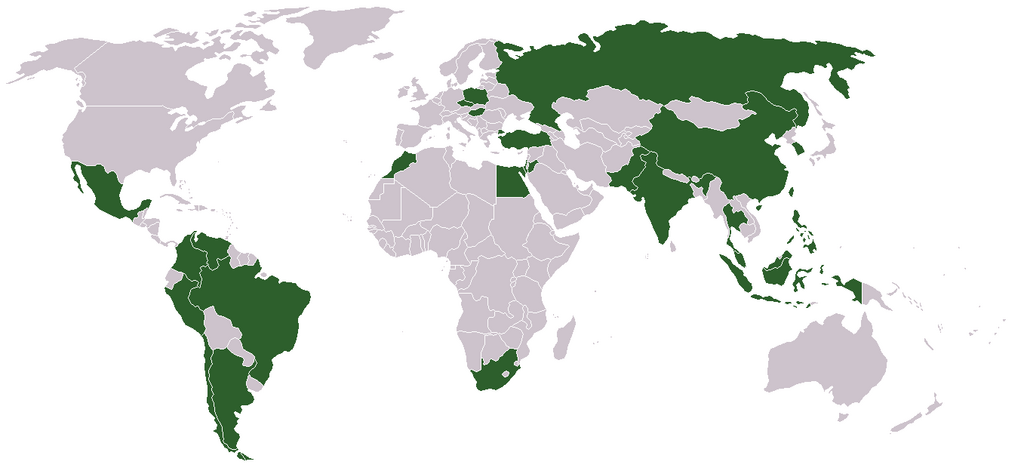
Why is this type of debt important? For the issuing countries and companies, it's a vital way to raise money for projects like building new roads, schools, or factories. For investors around the world, EMD offers the chance to earn higher returns than they might get from bonds in more developed countries. This potential for higher reward comes with its own set of risks, but it makes EMD a significant part of the global financial system.
Essentially, investing in EMD is like making a loan to a growing economy, betting on its future success.
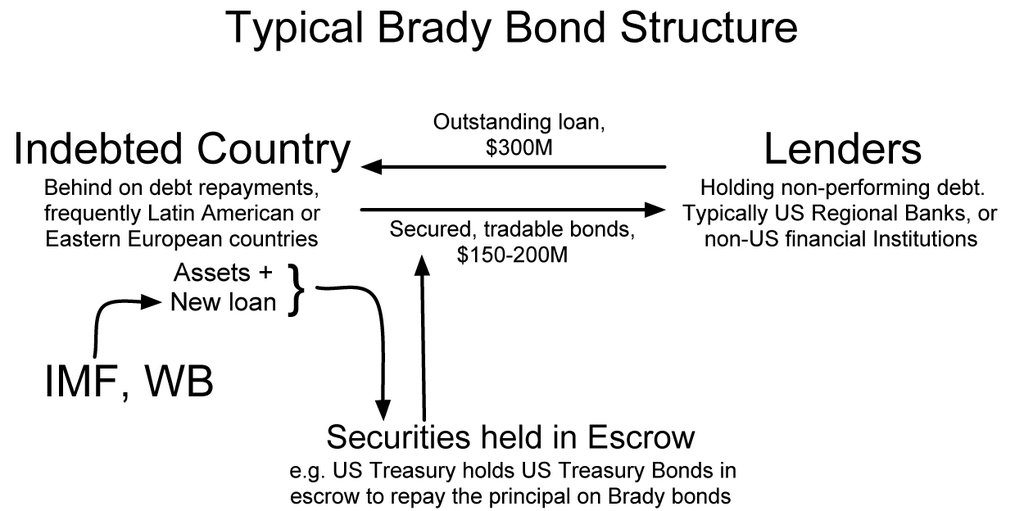
The market for this debt hasn't always been so accessible. In the 1970s and 80s, lending to these countries was mostly done through large syndicated bank loans. After a series of debt crises, the market evolved. A key innovation in the late 1980s was the creation of "Brady Bonds." These instruments repackaged defaulted bank loans into tradable bonds, often with some of the principal or interest backed by U.S. Treasury bonds. This move helped create a more standardized and liquid market, paving the way for the diverse EMD landscape we see today.
The Key Players
So, who is actually issuing and buying these bonds? The market has two main sides.
On one side are the issuers, the entities borrowing money. These are typically:
- Sovereigns: This refers to national governments. They issue bonds to fund public spending, manage their budgets, and invest in national infrastructure. Government-issued debt is often seen as the benchmark for a country's financial health.
- Corporations: These are private companies based in emerging markets. They might borrow to expand their business, develop new products, or refinance existing debt. Corporate EMD can come from a wide range of industries, from banking and energy to technology.
On the other side are the investors, who buy the debt. These are usually large, sophisticated organizations called institutional investors. This group includes pension funds managing retirement savings, insurance companies, and specialized investment funds (like mutual funds or hedge funds) that focus on emerging markets. High-net-worth individuals may also invest, but the market is dominated by these larger players.
Types of EMD
Not all emerging market debt is the same. The bonds can be categorized based on the currency they are issued in and who is issuing them. Understanding these distinctions is key.
| Instrument Type | Description |
|---|---|
| Sovereign Bonds | Issued by national governments. Can be in 'hard currency' like U.S. dollars or in the country's own 'local currency'. |
| Corporate Bonds | Issued by companies within the emerging market. These also come in both hard and local currency varieties. |
| Local Currency Bonds | Any bond (sovereign or corporate) that is issued in the country's own currency, like the Brazilian Real or the Indian Rupee. |
| Hard Currency Bonds | Any bond issued in a stable, major international currency, most commonly the U.S. dollar or the Euro. |
The distinction between hard and local currency is crucial. Hard currency bonds, typically in U.S. dollars, eliminate currency risk for a U.S.-based investor. However, local currency bonds can offer higher potential returns if the local currency strengthens against the investor's home currency. Over the years, local currency debt markets have grown significantly, showing the increasing maturity of these economies.
Now let's check your understanding of these core concepts.
What is the primary reason investors are often attracted to emerging market debt (EMD)?
Which innovation from the late 1980s was crucial for transforming defaulted bank loans into tradable bonds, helping to create the modern EMD market?
This overview provides the foundation for understanding how emerging market debt works as an asset class. By connecting growing economies with global capital, EMD plays a crucial role in international finance.