Investing Fundamentals
Introduction to Investing
What Is Investing?
Investing is the process of using your money to buy something that you believe will be worth more in the future. The goal is to grow your wealth over time. This is different from saving, which is simply setting money aside in a safe place, like a bank account. While saving protects your money, investing aims to make it grow.
Think of it this way: saving is parking your money, while investing is putting it on a path to a destination.
Why is this important? Because of inflation. Over time, the prices of goods and services tend to rise, which means the purchasing power of your cash decreases. A dollar today buys more than a dollar will in ten years. Investing gives your money the potential to grow faster than inflation, helping you build real wealth for major life goals, like retirement or buying a home.
Risk and Return
Every investment involves a trade-off between risk and return. These two concepts are fundamentally linked.
- Return is the profit you make from an investment, usually expressed as a percentage.
- Risk is the chance that you could lose some or all of the money you invested.
Generally, investments with the potential for higher returns also come with higher risk. It’s like a seesaw, as one side goes up, so does the other. You can't expect to get high returns without accepting some level of risk.
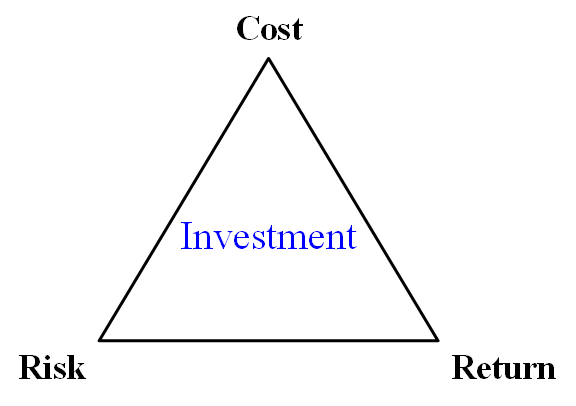
Understanding this relationship is crucial. Some people are comfortable with more risk in pursuit of higher growth, while others prefer safer investments with more modest returns. Your personal comfort level with risk is a key factor in shaping your investment strategy.
Setting Financial Goals
Before you start investing, it's essential to know why you're doing it. Setting clear financial goals gives your investments a purpose and helps guide your decisions. Without a destination in mind, it's hard to choose the right path.
Your goals could be short-term, like saving for a car in two years, or long-term, like planning for retirement in thirty years. Other common goals include saving for a down payment on a house, funding a child's education, or starting a business.
Clearly defined goals will determine how much you need to invest, for how long, and the level of risk you might be willing to take.
Your Time Horizon
Your financial goals directly influence your time horizon, which is the length of time you expect to hold an investment before you need the money back. Time is one of the most powerful tools an investor has.
A longer time horizon generally means you can afford to take on more risk. If you're in your 20s and investing for retirement, you have decades to ride out the market's ups and downs. A temporary dip in the value of your investments isn't as concerning because there's plenty of time for recovery and growth.
Conversely, if you need the money in a few years for a down payment, you have a short time horizon. In this case, you'd likely choose lower-risk investments. A significant loss would be devastating because you wouldn't have enough time to recover before you need the cash.
One of the keys to successful investing is learning how to balance your comfort level with risk against your time horizon.
The Importance of Liquidity
Finally, let's talk about liquidity. Liquidity refers to how easily and quickly an asset can be converted into cash without losing a significant amount of its value.
liquidity
noun
The ability to convert an asset into cash quickly without a substantial loss in value.
A savings account is highly liquid; you can withdraw cash almost instantly. On the other hand, an investment in real estate is considered illiquid. Selling a house can take months, and if you need to sell quickly, you might have to accept a lower price.
When choosing investments, consider how soon you might need access to your money. It's wise to have some liquid assets available for emergencies, so you don't have to sell long-term investments at an inconvenient time.
With these foundational concepts in mind, you're better equipped to start thinking about your own financial future. Understanding what investing is, the relationship between risk and return, and the importance of your goals and timeline are the first steps on the path to building wealth.