Investing Fundamentals
Introduction to Investing
The Building Blocks of Investing
Investing is about putting your money to work, giving it the potential to grow over time. It’s not a get-rich-quick scheme, but a long-term strategy. To get started, you don't need to be a Wall Street wizard. You just need to understand a few core principles that guide smart investment decisions.
Risk and Return
The first and most fundamental concept in investing is the relationship between risk and return. In simple terms, the more risk you're willing to take, the higher your potential return could be. Conversely, investments with lower risk typically offer lower potential returns.
Think of it like choosing a path up a mountain. A steep, direct climb is riskier—you could slip or get tired. But if you make it, you'll reach the summit much faster. A winding, gentle path is safer and easier, but it will take you much longer to get to the top. Neither path is inherently 'better'; it depends on what you're trying to achieve and how comfortable you are with the climb.
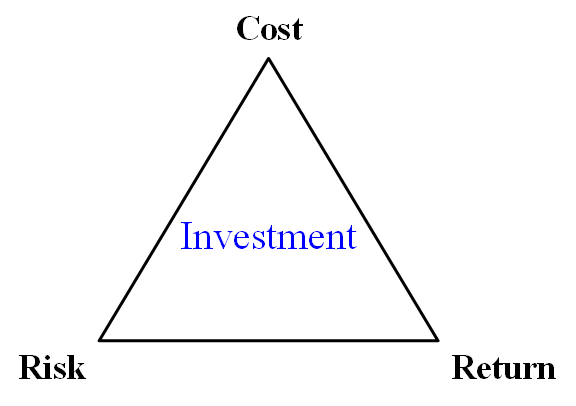
In investing, 'risk' is the chance that your actual return will be different than you expected, which includes the possibility of losing some or all of your original investment. Safe investments, like a government bond, have a very low chance of losing money, but they also offer modest returns. On the other hand, investing in a brand-new startup is much riskier, but the potential for high returns is also greater.
Understanding your own comfort level with risk is a crucial first step. This is often called your 'risk tolerance'.
Don't Put All Eggs in One Basket
You’ve probably heard the old saying, 'Don't put all your eggs in one basket.' This is the core idea behind diversification. It's a strategy to manage risk by spreading your investments around.
Imagine you invest all your money in a single company that makes umbrellas. If the summer is unusually sunny and dry, umbrella sales will plummet, and so will the value of your investment. But what if you had also invested in a company that sells sunglasses? While your umbrella stock is down, your sunglasses stock would likely be doing very well. The success of one helps offset the poor performance of the other.
Diversification is a cornerstone of investment risk management, embodying the timeless wisdom of “don’t put all your eggs in one basket”.
By diversifying, you aren't trying to eliminate risk entirely—that's impossible. Instead, you're smoothing out the potential ups and downs, creating a more stable journey for your portfolio. A diversified portfolio might not have the single highest-flying investment, but it’s also less likely to crash and burn.
How Long Are You Investing?
Your time horizon is simply the length of time you expect to hold an investment before you need the money. Are you saving for a house down payment in three years, or for retirement in 30 years? The answer dramatically changes your investment strategy.
A longer time horizon generally allows you to take on more risk. If you're investing for retirement decades away, you have plenty of time to recover from any short-term market downturns. A market dip in your 20s or 30s is just a temporary blip on a long journey. Because of this, you might choose investments with higher growth potential, even if they come with more volatility.
Conversely, a shorter time horizon calls for a more cautious approach. If you need that down payment money in two years, you can't afford a major loss. You would likely choose safer, less volatile investments to ensure the money is there when you need it. Taking a big risk for a short-term goal is like sprinting through a minefield—you might get there faster, but the consequences of a misstep are severe.
Let's review these core concepts.
Now, let's test your understanding of these building blocks.
What is the fundamental relationship between risk and return in investing?
The strategy of spreading your investments across various assets to manage risk is known as ________.
These three ideas—the link between risk and return, the power of diversification, and the importance of your time horizon—form the foundation of any solid investment strategy. Mastering them is the first step toward making your money work for you.