Investing Fundamentals
Introduction to Investing
What Is Investing?
At its core, investing is the act of using your money to buy assets with the hope that they will grow in value over time. Think of it as putting your money to work for you. Instead of just sitting in a savings account, where its buying power might slowly decrease due to inflation, invested money has the potential to generate more money.
The main purpose of investing is to build wealth. This could be for long-term goals like retirement, or medium-term goals like a down payment on a house. By investing, you're giving your savings a chance to outpace inflation and grow significantly, which is a key step toward financial independence.
Risk and Return
Every investment carries some level of risk. This is the fundamental trade-off in the world of finance: risk and return are two sides of the same coin. Generally, the higher the potential return an investment might offer, the higher the risk you must accept.
Risk means there's a chance you could lose some or all of your original investment. A high-flying tech stock could double in value, but it could also go bankrupt. On the other hand, a government bond is much safer, but it will offer a much lower return. There's no such thing as a high-return, no-risk investment. Understanding this relationship is crucial for making informed decisions.
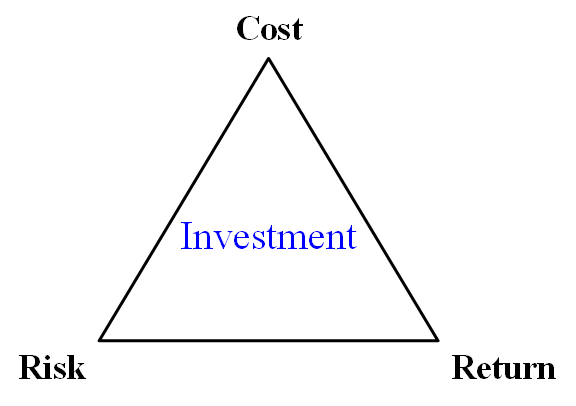
Your comfort level with risk, often called your "risk tolerance," is a personal factor that will heavily influence your investment choices. It depends on your personality, financial stability, and age. There is no right or wrong level of risk tolerance, but knowing yours is essential before you start investing.
One of the keys to successful investing is learning how to balance your comfort level with risk against your time horizon.
Goals and Time Horizon
Before you invest a single dollar, you should know what you're investing for. Setting clear financial goals provides direction and purpose to your investment strategy. Are you saving for a vacation in two years, a home purchase in seven, or retirement in thirty? Each goal has a different timeline, which we call a time horizon.
Your time horizon is simply the length of time you expect to hold an investment before you need the money. It's one of the most important factors in choosing your investments. A longer time horizon generally allows you to take on more risk because your portfolio has more time to recover from any market downturns. If you need the money soon, you'll want to choose safer, less volatile investments to ensure the cash is there when you need it.
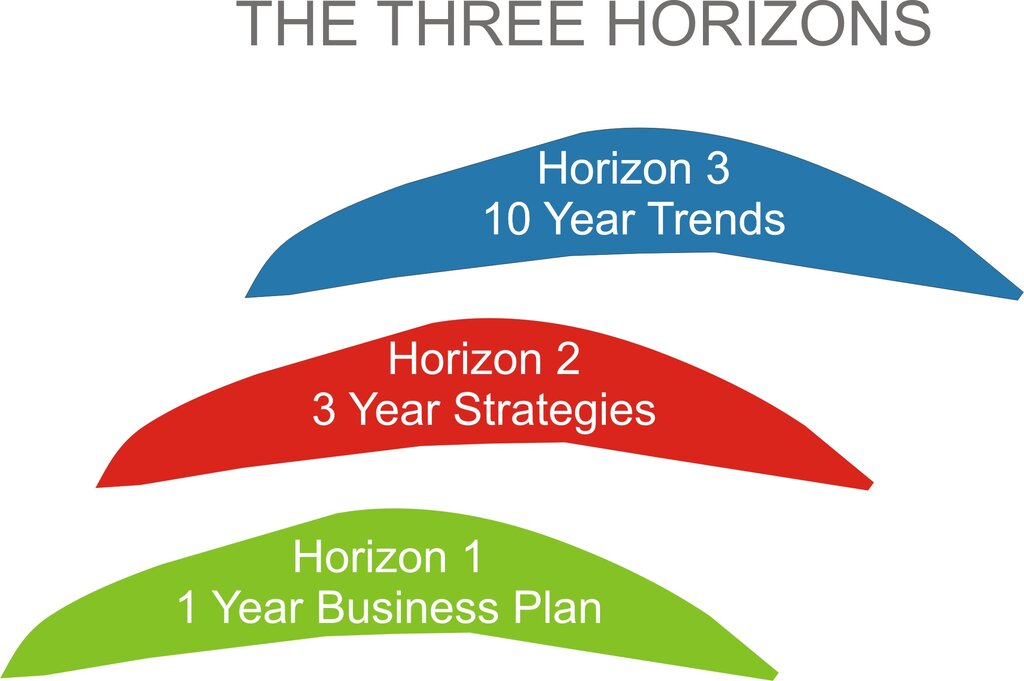
For example, money for a down payment in three years shouldn't be in high-risk stocks. That money should be in something more stable. However, if you're 25 and investing for retirement, you have decades to ride out the market's ups and downs, so a portfolio with more stocks might be appropriate.
Investment Vehicles
Once you know your goals and time horizon, you can start looking at the different types of investments, often called investment vehicles or asset classes. Each has its own risk and return profile. Here are some of the most common ones:
Stock
noun
A share of ownership in a publicly traded company. When you buy a stock, you become a part-owner of the business.
Stocks offer the potential for high growth but also come with higher risk. Their value can change dramatically in short periods.
Bond
noun
A loan made to a company or government. In return for the loan, the issuer promises to pay you interest over a set period and return your principal at the end.
Bonds are generally safer than stocks and provide a predictable income stream, but their potential returns are lower.
Other common investment vehicles include mutual funds and exchange-traded funds (ETFs), which are collections of stocks, bonds, or other assets bundled together. They offer instant diversification, which is a key principle of managing risk.
Here's a simple breakdown of the relationship between risk and return for the most basic asset types.
| Asset Type | General Risk Level | Potential Return |
|---|---|---|
| Cash & Equivalents | Very Low | Very Low |
| Bonds | Low to Medium | Low to Medium |
| Stocks | High | High |
Understanding these foundational concepts—the purpose of investing, the risk-return trade-off, and the importance of your goals and time horizon—is the first step on your journey. With this knowledge, you are better equipped to make smart decisions for your financial future.
What is the primary purpose of investing?
Which statement best describes the fundamental 'risk-return trade-off' in finance?