Investigating Kan't
Understanding 'Kan't'
The Power of Can't
Let's start with the basics. The word "can't" is a contraction, a shortened form of two other words smashed together. In this case, it's a blend of "cannot."
can't
verb
A contraction of cannot; used to indicate that someone is unable to do something or that something is not possible.
This simple word is one of the most common in English. It expresses inability, impossibility, or prohibition. "You can't go in there" is a command. "I can't believe it" is an expression of surprise. It’s a small word with a big job.
Why Stylize a Word?
So, what happens when we see it spelled as "Kan't"? The meaning stays the same, but the feeling changes. This is called stylization. Writers, musicians, and artists often change the spelling of words to make them stand out. It’s a way to grab your attention and add a unique flavor.
Swapping a 'C' for a 'K' is a common trick. It feels a little sharper, a bit more modern or edgy. Think of brand names or band names that play with spelling. The goal is to be memorable.
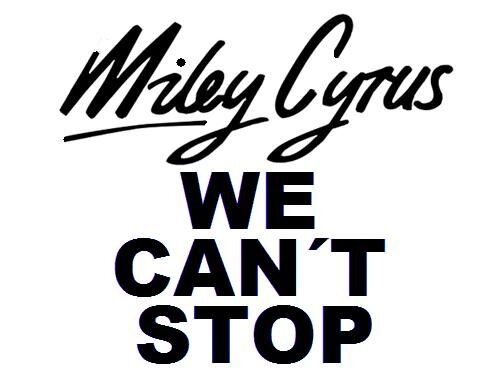
For example, in the music world, visual identity is key. In the promotion for her song "We Can't Stop," Miley Cyrus's name was often stylized. While the song title itself uses the standard spelling, artists often play with letters and symbols to create a strong brand. Spelling "can't" as "Kan't" in a song title or album art follows the same logic. It makes you look twice.
Stylization doesn't change what a word means, but it changes how we see it.
Ultimately, "Kan't" is just "can't" in a different outfit. The core message of inability or impossibility remains. But the new spelling adds a layer of artistic expression, suggesting a deliberate choice to break the rules, even if it's just a small one.
What two words are combined to form the contraction "can't"?
When a writer spells "can't" as "Kan't", what is this technique called?