Investigating Blindfolded Sight
Introduction to Blindfolded Sight Claims
Seeing Without Eyes
Imagine someone wearing a thick, secure blindfold. They can't see anything through it. Yet, they reach out, pick up a book, and begin to read the words on the page. Or perhaps they correctly identify the colors of objects placed in front of them, one by one. This is the core of what's known as blindfolded sight.
Blindfolded sight is a claimed ability to perceive visual information—like text, colors, or shapes—without using one's eyes. The person is blindfolded, but they say they can still 'see'.
This extraordinary claim goes by many names. You might hear it called 'mindsight', 'eyeless sight', or 'extra-retinal vision'. Some proponents use more scientific-sounding terms to describe specific versions of this alleged ability.
dermo-optical perception
noun
The claimed ability to perceive light and color through the skin, typically using the fingertips.
Another term you may encounter is 'bio-introscopy', which often refers to the supposed ability to see inside living bodies. While the names and specific claims can vary, they all share a central, fascinating idea: that the human mind can access visual information through unconventional means.
A Persistent Idea
The concept of seeing without eyes is not new. It has appeared in various forms across different cultures and time periods. In the 19th century, spiritualist mediums often performed blindfolded readings as a demonstration of their connection to the spirit world. In the 20th century, reports surfaced of individuals who claimed to have developed this ability through intense training or after a unique life event.
From stage magic and psychic demonstrations to modern workshops that promise to unlock a child's hidden potential, the idea has shown remarkable staying power. It taps into a deep-seated human curiosity about the limits of our perception and the untapped powers of the mind.
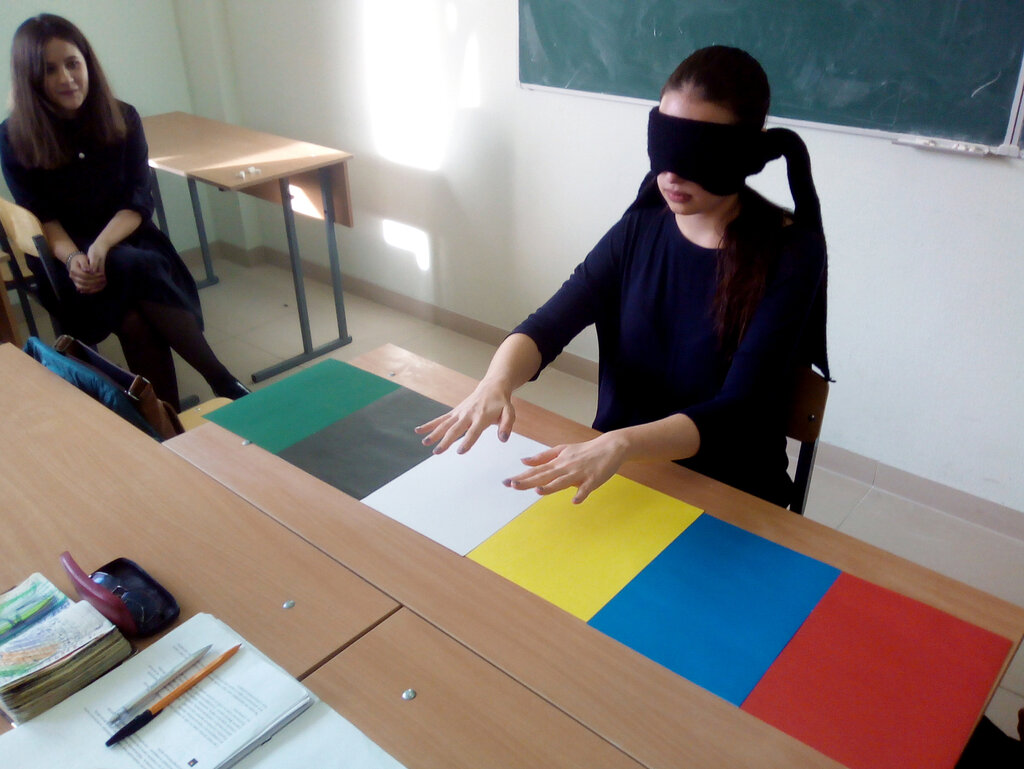
The cultural appeal is undeniable. The idea of a 'sixth sense' or a form of sight that transcends our physical eyes is a powerful narrative. It suggests that there is more to our perception than what science currently understands, a notion that many find exciting and hopeful.
These claims continue to emerge around the world, often presented as a teachable skill. The methods and explanations may differ, but the core promise of seeing the world in a new, extraordinary way remains the same. Understanding these claims begins with recognizing their long history and widespread cultural appeal, which sets the stage for a closer look at the evidence behind them.