Inventory Target Calculation
Inventory Management Basics
What Is Inventory Management?
At its heart, inventory management is the process of ordering, storing, using, and selling a company's inventory. This includes everything from the raw components to the finished products. The goal is simple: to have the right products in the right place at the right time.
Think about a local coffee shop. The inventory isn't just the bags of roasted coffee beans. It's also the milk, the sugar packets, the paper cups, and the chocolate syrup. If they run out of cups, they can't sell any coffee, even if they have plenty of beans. If they buy too much milk and it expires, that's wasted money.
Effective inventory management is the balancing act that prevents these problems. It ensures that a business can meet customer demand without tying up too much money in stock that isn't selling.
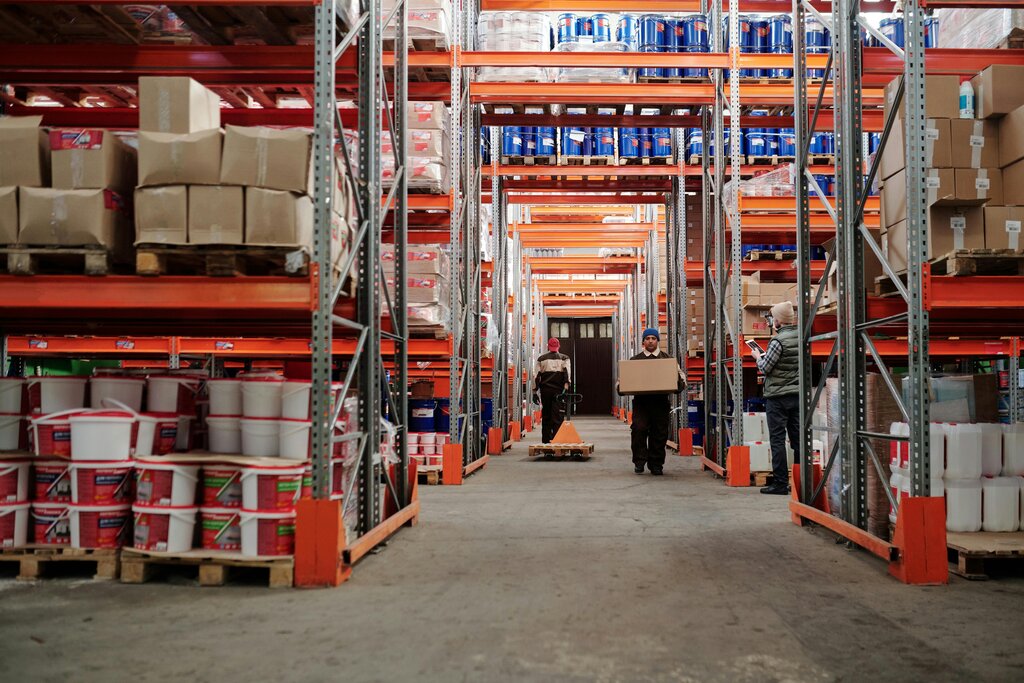
A good inventory tracking system will tell you what merchandise is in stock, what’s on order, when it will arrive, and what you’ve sold.
The Three Types of Inventory
Inventory isn't a single category. It's helpful to break it down into three main types, representing different stages of the production process.
The three types are:
-
Raw Materials: These are the basic ingredients or components a company uses to create its products. For a furniture maker, this would be wood, screws, and varnish.
-
Work-in-Progress (WIP): This category includes items that are currently in the production process but are not yet complete. A WIP item for that furniture maker might be a chair that has been assembled but not yet varnished or upholstered.
-
Finished Goods: These are the final products that are ready to be sold to customers. Once the chair is varnished and ready for the showroom, it becomes a finished good.
| Category | Description | Example (Car Manufacturer) |
|---|---|---|
| Raw Materials | The basic components used in production. | Steel, plastic, glass, tires. |
| Work-in-Progress | Partially completed products. | A car chassis with the engine installed. |
| Finished Goods | Completed products ready for sale. | A fully assembled car on the dealership lot. |
Understanding these categories helps a business track costs and efficiency at every stage of production.
The Goals of Good Management
Why do companies put so much effort into managing inventory? It comes down to a few key objectives that are critical for success.
supply chain
noun
The network between a company and its suppliers to produce and distribute a specific product to the final buyer.
Balancing Supply and Demand This is the core challenge. Holding too much inventory, or overstocking, ties up cash and increases storage costs. You have money sitting on a shelf that could be used elsewhere. On the other hand, holding too little inventory, or understocking, leads to stockouts. This means lost sales and unhappy customers who might go to a competitor.
Minimizing Costs Inventory costs more than just its purchase price. There are carrying costs, which include storage, insurance, and security. There's also the risk of inventory becoming obsolete or expiring, especially in tech or food industries. Good management aims to minimize these costs by keeping inventory levels lean but sufficient.
Ensuring Customer Satisfaction Ultimately, a business exists to serve its customers. Having products available when customers want them is fundamental to a good experience. Effective inventory management ensures that popular items are consistently in stock, which builds customer loyalty and trust.
Running out of a popular item can do more than lose a single sale. It can damage a company's reputation and drive a loyal customer away for good.
Time to check your understanding of these fundamental ideas.
What is the primary goal of inventory management?
A car manufacturer has several car chassis that have been assembled and painted but are still waiting for engines and interiors to be installed. These chassis are considered:
Mastering these basics is the first step toward effectively calculating inventory targets and running a more efficient business.