Inventory Management Fundamentals
Inventory Management Basics
What Is Inventory Management?
Inventory management is the process of ordering, storing, and using a company's inventory. This includes everything from raw materials to finished goods. The main goal is to have the right products in the right place at the right time.
Inventory management is about maintaining the right balance of stock to meet demand without overstocking.
Think of a small bakery. If it runs out of flour, it can't bake bread. That's a lost sale. But if it buys too much flour, it takes up space and ties up money that could be used for other things. Good inventory management helps the bakery find that perfect balance.
The Three Types of Inventory
Inventory isn't just the final product on the shelf. It exists in three main stages of production.
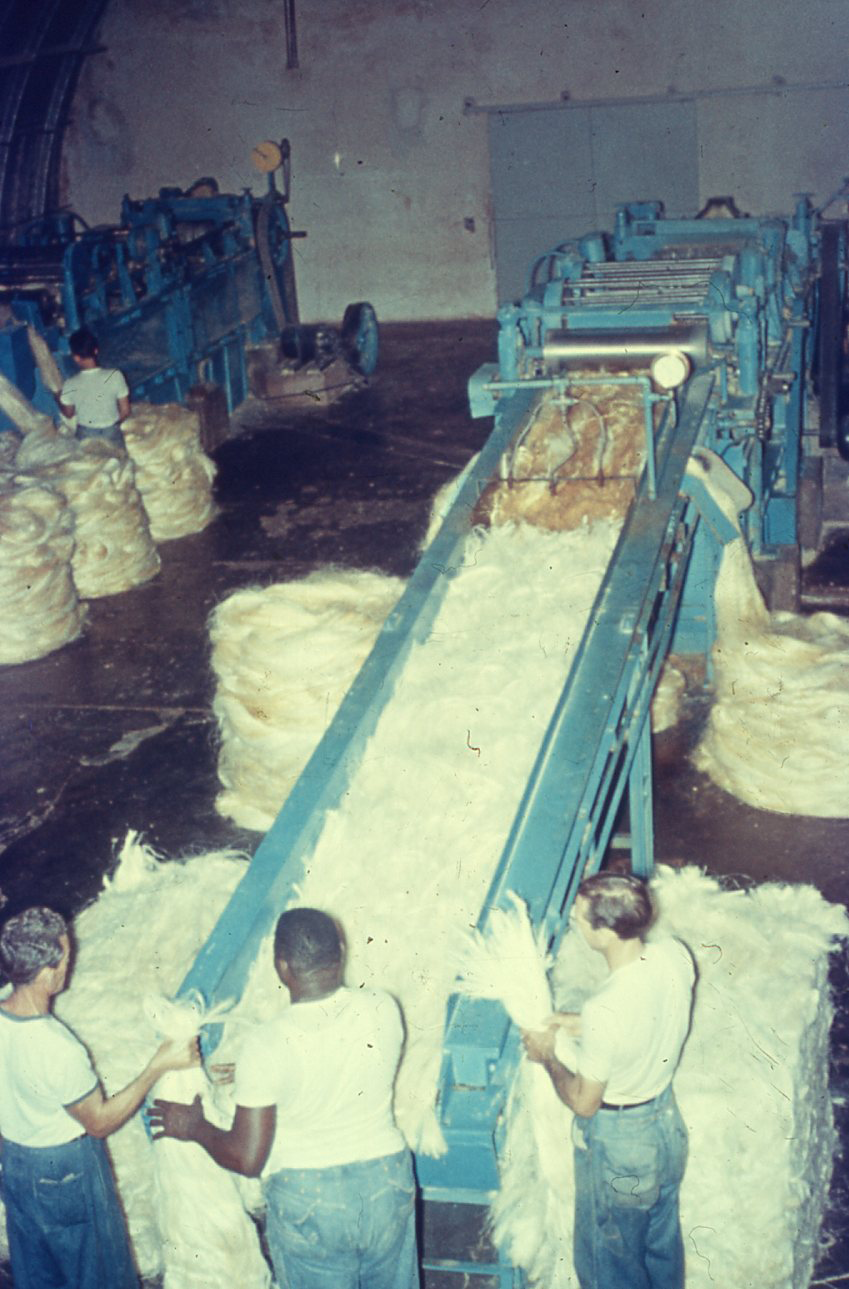
These stages help businesses track value and production flow from start to finish.
| Type | Description | Example (for a chair maker) |
|---|---|---|
| Raw Materials | The basic components used to make products. | Wood, screws, varnish, fabric. |
| Work-in-Progress (WIP) | Items that are partially completed but not yet finished. | A chair frame that has been built but not yet sanded or upholstered. |
| Finished Goods | Completed products ready for sale. | A fully assembled and packaged chair. |
The Costs of Holding Stock
Storing inventory isn't free. Several costs are involved, and understanding them is key to managing inventory well. These costs fall into three main categories.
Ordering costs are the expenses incurred each time you place an order with a supplier. This includes administrative work, shipping fees, and receiving costs.
Carrying costs, also known as holding costs, are what you pay to store inventory. This includes rent for warehouse space, insurance, security, and the risk that items might become obsolete or spoil.
Stockout costs happen when you run out of a product a customer wants to buy. This is the most damaging cost, as it can lead to lost sales, a damaged reputation, and customers who may never return.
Finding the Sweet Spot
The core challenge of inventory management is balancing the costs. If you order in huge quantities to reduce ordering costs, your carrying costs will go up. If you keep very little stock to lower carrying costs, you risk frequent stockouts.
The goal is to find the sweet spot: an inventory level that meets customer demand without tying up too much cash in excess stock. This balance ensures the business runs smoothly and profitably.
Too much inventory leads to waste. Too little leads to missed opportunities. The right amount keeps the business healthy.
Now that you understand the basic components, let's test your knowledge.
What is the primary goal of inventory management?
A bakery's rent for the warehouse space where it stores large bags of flour is an example of what type of inventory cost?
Mastering these fundamentals is the first step toward building an efficient system for managing inventory.