Inventing Better Knowledge Transfer Tests
Understanding Knowledge Transfer
The Goal of Learning
Learning isn't just about collecting facts. The real goal is to take what you learn in one situation and apply it to a new one. This is called knowledge transfer. It's the bridge between knowing something and being able to use that knowledge in the real world.
Think about learning to drive. You might learn in a specific car, on specific streets. But the goal isn't just to master that one vehicle and route. It's to learn the principles of accelerating, braking, steering, and observing traffic so you can drive any car, anywhere. That's knowledge transfer in action.
Without transfer, learning is locked in its original context. It's like having a key that only opens one door. The goal of education is to craft a master key that works in many different situations.
Near and Far Transfer
Knowledge transfer happens in two main ways, depending on how similar the new situation is to the original learning context.
Near Transfer
noun
Applying knowledge to situations that are very similar to the initial learning context.
Near transfer is the more common and straightforward type. The new context closely mimics the old one, making the leap easy. If you learn to use Microsoft Word, you can probably figure out Google Docs pretty quickly. The menus and functions are similar, so your skills transfer directly.
Far Transfer
noun
Applying knowledge to situations that are very different from the initial learning context.
Far transfer is more challenging but incredibly valuable. It involves applying deep, abstract principles to a completely new domain. For example, a biologist who understands how ecosystems maintain balance might apply that systems-thinking approach to improve a company's organizational structure. They're transferring a core concept, not just a specific skill.
| Type | Description | Example |
|---|---|---|
| Near Transfer | Applying skills to a very similar context. | Using one spreadsheet program after learning another. |
| Far Transfer | Applying principles to a very different context. | Using storytelling skills from literature in marketing. |
How Your Brain Makes the Jump
For knowledge to transfer, your brain needs to do a few key things. It's not an automatic process. It involves actively connecting new problems to what you already know.
First is recognizing similarities. When you face a new challenge, your brain scans your memory for patterns. It's looking for a familiar structure or underlying principle. Successful transfer starts with that moment of, "Ah, this reminds me of..."
Next comes abstraction. This is the act of pulling out a general rule from a specific example. Instead of just memorizing that , you learn the concept of multiplication. This abstract understanding is portable. It can be applied to any set of numbers, or even to concepts outside of math, like calculating the area of a room.
Finally, metacognition plays a huge role. This is your ability to think about your own thinking. People who are good at knowledge transfer actively manage their learning. They pause and ask themselves questions like:
- What is the core idea here?
- Where else have I seen a problem like this?
- How can I adapt what I already know to fit this new situation?
Instead of asking, "What information do we need to deliver?" we must now ask, "What experience can we create to ensure this information is absorbed, retained, and applied?"
Designing for Transfer
Since transfer isn't guaranteed, we have to create the right conditions for it to happen. Both learners and teachers have a role to play. Several factors influence whether knowledge stays put or travels to new contexts.
Deep Understanding: Rote memorization is the enemy of transfer. If you only memorize facts without understanding the "why" behind them, that knowledge will be stuck. True transfer requires grasping the underlying principles and connections within a topic.
Varied Practice: Learning something in a single, rigid way makes it hard to apply elsewhere. Effective instructional design encourages practice across multiple contexts. For instance, a physics student might solve problems about baseballs, cars, and planets to understand the laws of motion. This variation helps the brain abstract the core principles.
Explicit Connections: Sometimes the bridge for transfer needs to be pointed out. An effective teacher or training program will explicitly prompt learners to make connections. They might ask, "How does this concept relate to what we learned last week?" or "Where might you use this skill in your job?" These cues encourage the cognitive work needed for transfer.
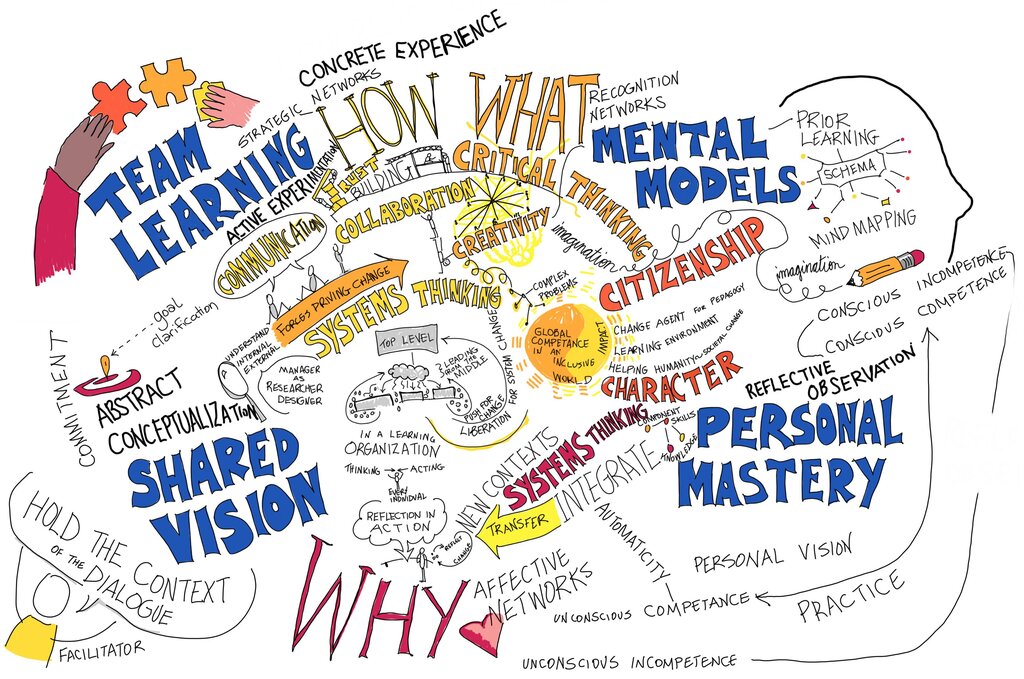
Ultimately, the goal of any learning experience is to equip you with knowledge that is flexible, adaptable, and ready to be used when and where you need it most.
What is the primary goal of knowledge transfer?
A musician who understands music theory (harmony, rhythm, structure) uses that knowledge to design a more effective and aesthetically pleasing user interface for a software application. What is this an example of?
Building robust, transferable knowledge is the key to lifelong learning.