Introduction to Zen Meditation
Introduction to Zen Meditation
The Heart of Zen
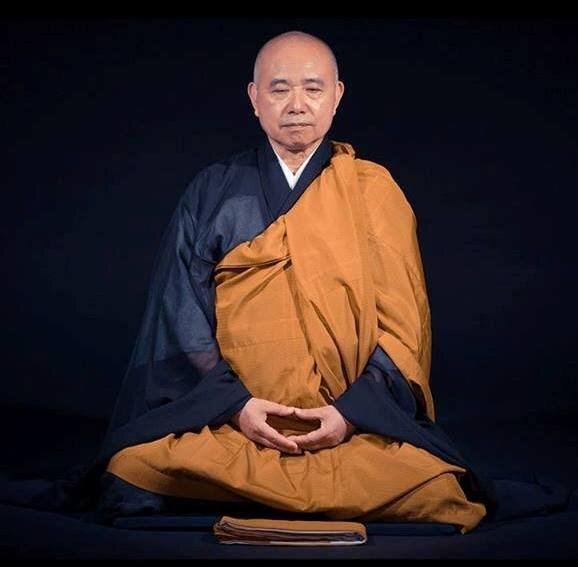
At the core of Zen Buddhism is a practice called zazen. In Japanese, this simply means “seated meditation.” It’s not about emptying your mind or achieving a mystical state. Instead, zazen is the practice of sitting upright and paying attention to the present moment, just as it is.
Zazen is the cornerstone of Zen practice.
This form of meditation has ancient roots, tracing back to the Buddha in India. The practice traveled to China, where it became known as Ch'an, and later to Japan, where it developed into the Zen we know today. The goal has always remained simple: to cultivate awareness and find a sense of peace by observing reality directly, without the filter of our own thoughts.
Just Sitting
A central concept in one school of Zen is shikantaza, which translates to “just sitting.” This might sound passive, but it's an active practice of awareness. When you practice shikantaza, you aren't trying to accomplish anything. You’re not focusing on a specific mantra or trying to stop your thoughts.
shikantaza
noun
A form of Zen meditation that involves 'just sitting' and observing the flow of thoughts without judgment or attachment.
Instead, you simply sit and observe whatever comes up. Thoughts, feelings, and physical sensations will arise. The practice is to notice them without getting carried away. You acknowledge them and let them go, like watching clouds drift across the sky. You don't push them away or cling to them.
The mind’s nature is to think. The goal isn’t to stop it, but to change your relationship with it.
Everyday Mindfulness
Through zazen, you cultivate mindfulness. This isn't just about what happens during your seated meditation; it’s about how you engage with the rest of your life. Mindfulness is the quality of being present and fully engaged with whatever you’re doing at the moment, free from distraction or judgment.
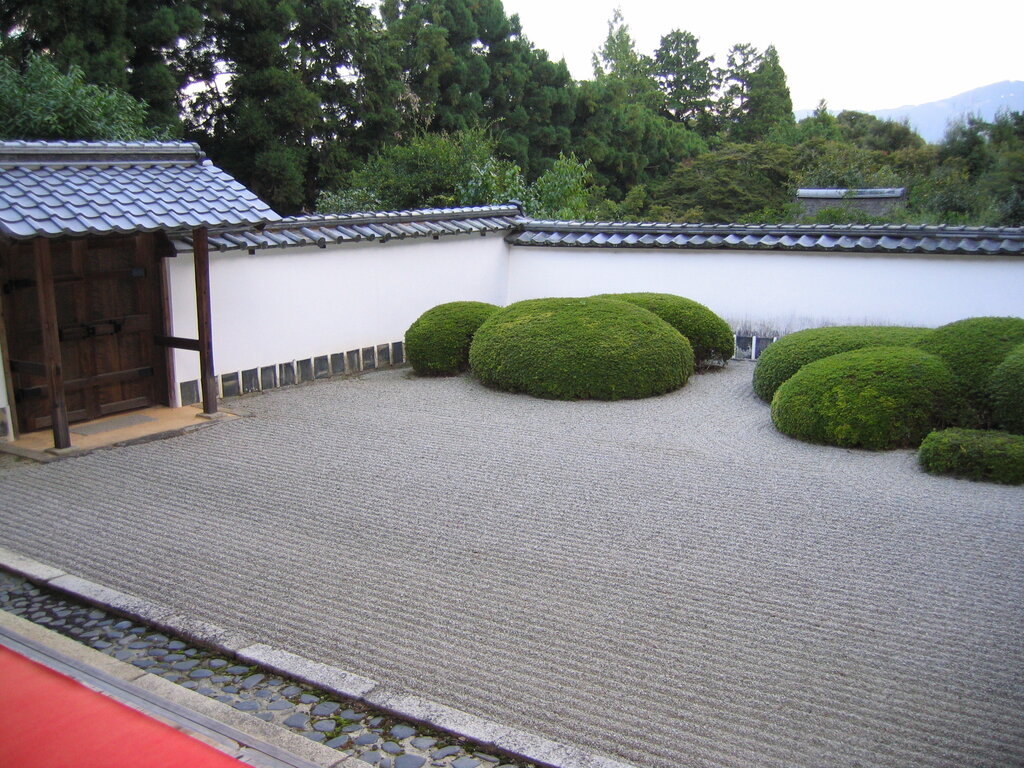
The stillness and awareness you practice on the cushion begin to seep into your daily activities. You might notice the warmth of a coffee cup in your hands or the sound of birds outside your window. This is the essence of Zen: finding clarity and presence not by escaping the world, but by being fully in it.
Zen extends mindfulness beyond meditation, emphasizing the integration of mindfulness into everyday actions.
Zazen provides a foundation, a quiet space to return to. It’s a way of training the mind to be more stable, clear, and present, both on and off the cushion. Now let's review these key ideas.