Introduction to Zen Buddhism
Origins of Zen
From India to China
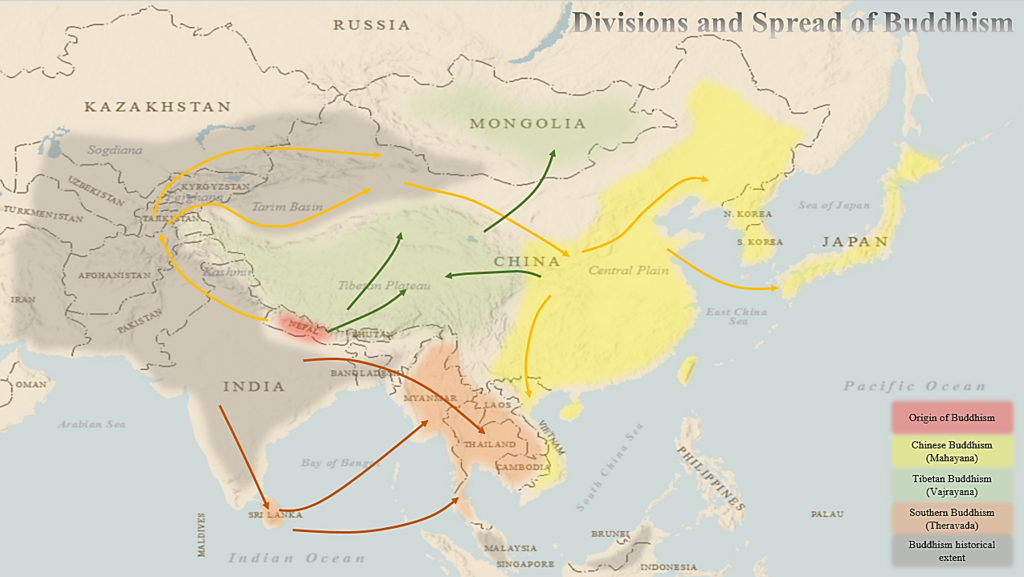
The story of Zen begins not in Japan, but in India. It grew out of Mahayana Buddhism, a major branch of Buddhist thought that emphasizes the path to enlightenment for all beings. Around the 5th or 6th century CE, these ideas traveled from India along the Silk Road and other trade routes, eventually reaching China.
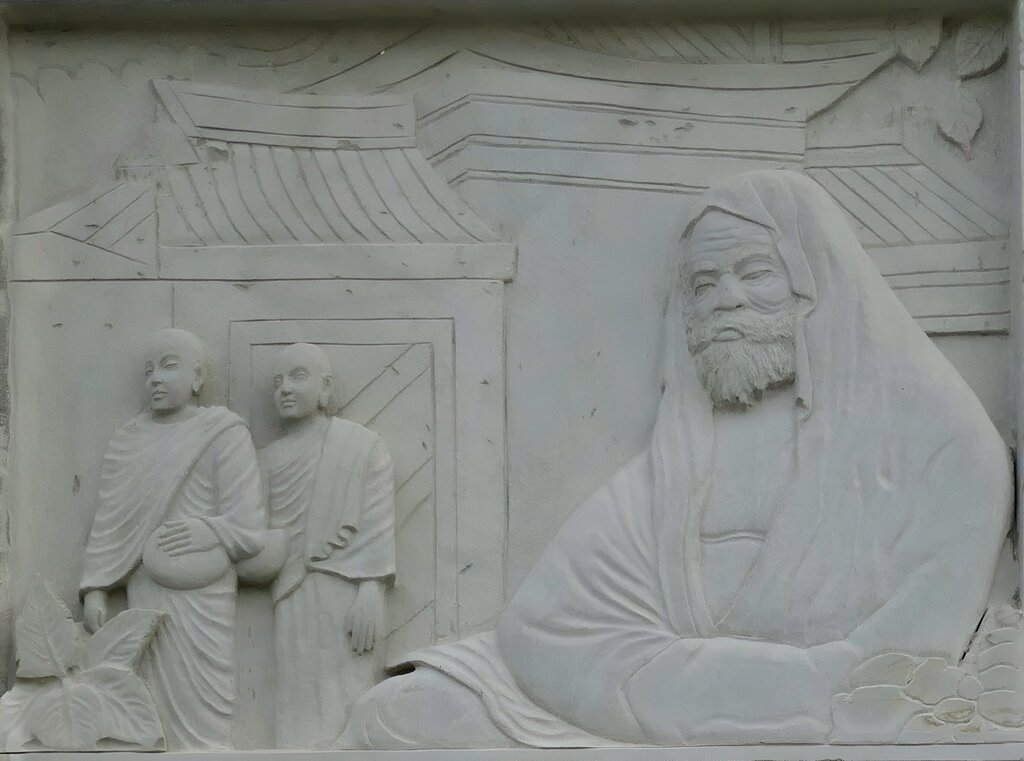
Tradition credits a monk named Bodhidharma with bringing this new form of Buddhism to China. Legend says he was an Indian prince who gave up his title to become a monk. He traveled to the famed Shaolin Temple, where he is said to have meditated for nine years facing a cave wall, waiting for a worthy student. Bodhidharma's teachings focused on direct experience and meditation over strict adherence to scriptures.
Once in China, this new school of thought didn't stay isolated. It began to blend with native Chinese philosophy, particularly Taoism. Taoist ideas about living in harmony with the natural flow of the universe, or the Tao, resonated deeply with Bodhidharma's emphasis on direct, intuitive understanding. The Taoist concept of wu wei, or effortless action, was especially influential. This fusion gave rise to a uniquely Chinese form of Buddhism known as Chan.
Meditation
Chan Buddhism combined the meditative discipline of Indian Buddhism with the Taoist appreciation for spontaneity and the natural world.
Chan Becomes Zen
Over the centuries, Chinese monks traveled to Japan, and Japanese monks visited China, creating a rich cultural exchange. Through these interactions, Chan Buddhism made its way to Japan around the 12th century. The Japanese pronunciation of "Chan" is "Zen."
Meditation
In Japan, Zen was adapted to the local culture. It found a particularly receptive audience in the samurai class, who were drawn to its principles of discipline, self-control, and mindfulness in the present moment. The establishment of temples was crucial for its growth. In 1202, the monk Eisai founded Kennin-ji in Kyoto, which is often considered one of the oldest Zen temples in Japan. This marked a formal beginning for Zen as a distinct Japanese school.
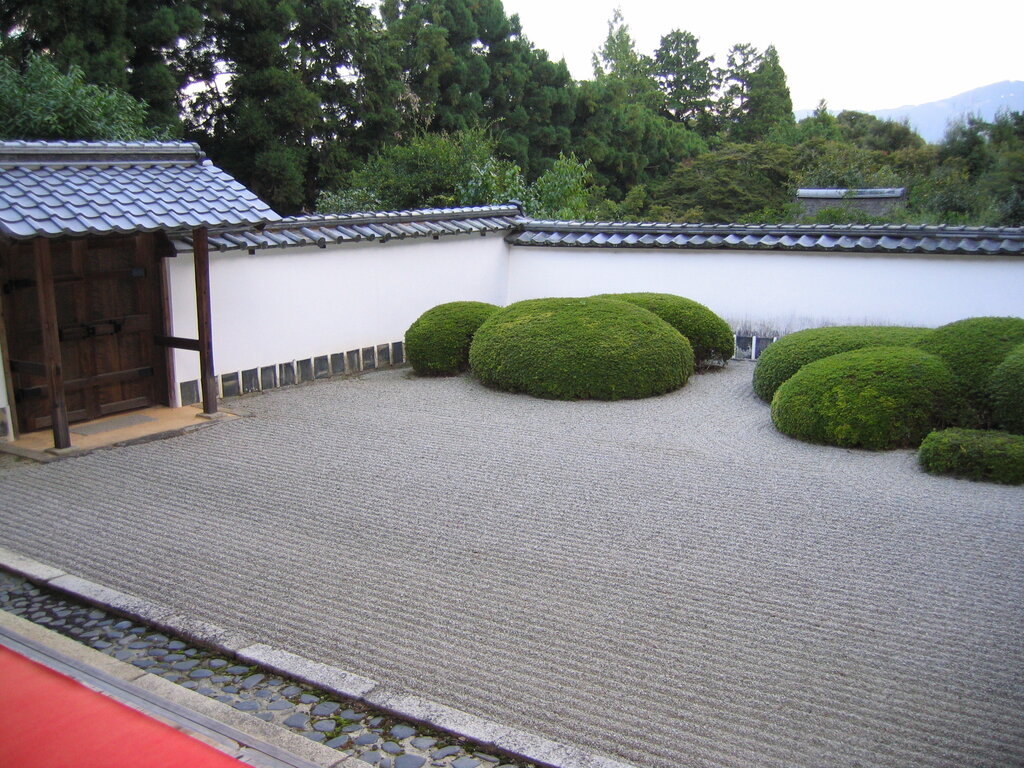
From these roots, Zen developed into the tradition known today, influencing everything from martial arts and tea ceremonies to garden design and calligraphy. Its journey from India, through China, and into Japan is a story of adaptation and cultural fusion.
Ready to check your understanding?
Where did the philosophical tradition that would become Zen Buddhism originally begin?
The monk credited with bringing this new form of Buddhism to China, Bodhidharma, emphasized direct experience and meditation over what?
This historical journey laid the groundwork for the practices and philosophies that define Zen.