Introduction to Yoga
Introduction to Yoga
What is Yoga?
At its heart, yoga is a practice that connects the body, breath, and mind. It uses physical postures, breathing exercises, and meditation to improve overall health and well-being. The word itself offers a clue to its purpose.
Yoga
noun
Derived from the Sanskrit root 'yuj,' meaning 'to yoke' or 'to unite.' It refers to the union of individual consciousness with universal consciousness.
While many people in the West associate yoga with physical exercise and stretching, that's only one part of a much deeper tradition. The physical postures, known as asanas, are designed to prepare the body for meditation and cultivate a greater awareness of the self.
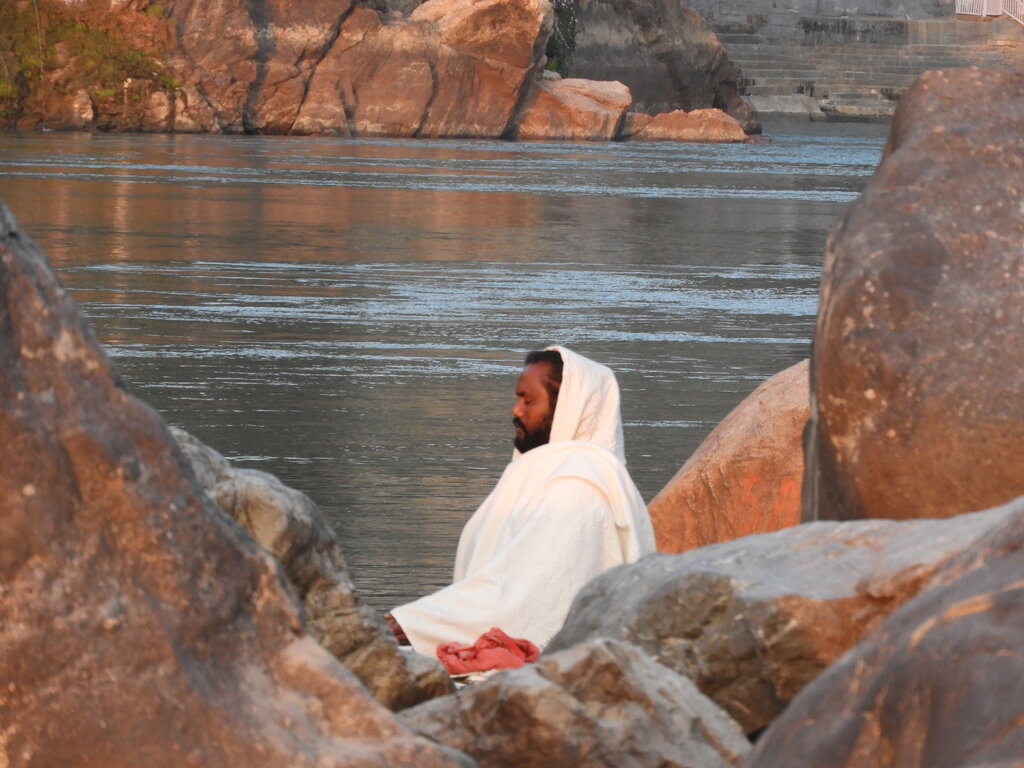
The ultimate goal is to achieve a state of harmony between your physical, mental, and spiritual selves. It’s a journey of self-discovery, not a competition to see who can touch their toes.
A Journey Through Time
Yoga's roots stretch back over 5,000 years to ancient India. Some scholars believe early forms of the practice can be seen in stone seals from the Indus Valley Civilization, depicting figures in yoga-like postures. For centuries, its teachings were passed down orally from teacher to student.
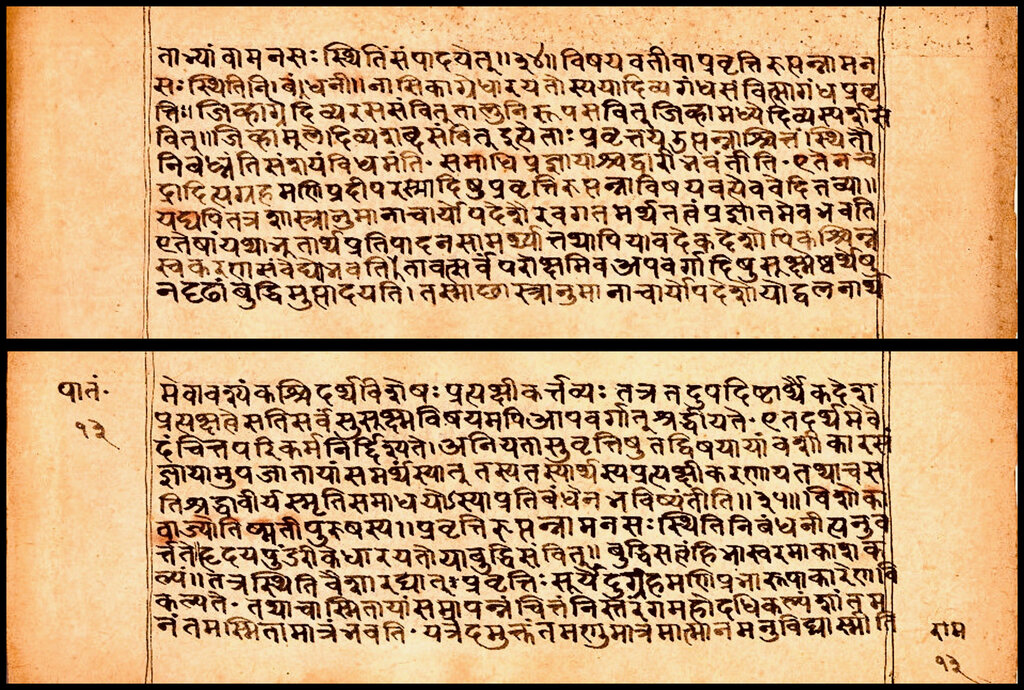
A pivotal moment came around 400 CE with the Yoga Sutras of Patanjali. This collection of 196 short verses is considered the foundational text of yoga philosophy. It provides a roadmap for the practice, outlining an eight-limbed path (Ashtanga) toward enlightenment. Interestingly, only one of the 196 sutras mentions physical postures.
The emphasis on asanas that we see today developed much later, primarily through the tradition of Hatha yoga, which gained prominence in India around the 11th century. This branch focused on purifying the body as a path to spiritual liberation, laying the groundwork for modern physical yoga.
Finding Your Style
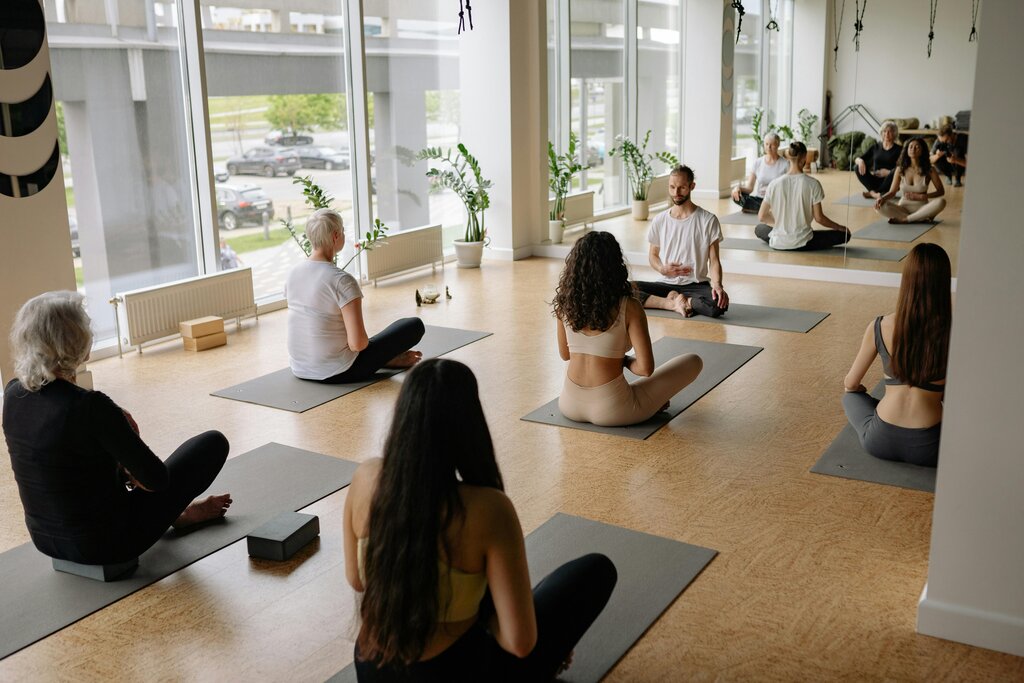
Today, the word "yoga" describes a wide variety of practices, each with a different focus and intensity. There's no single "best" style—it's about finding what works for your body and your goals. Here’s a quick look at some of the most popular types.
| Style | Focus | What to Expect |
|---|---|---|
| Hatha | Foundational Poses | A slower-paced class, great for beginners. Focus is on basic postures and proper alignment. |
| Vinyasa | Flow & Breath | A more dynamic style where you move smoothly from one pose to the next, linking movement with breath. |
| Ashtanga | Structure & Discipline | A physically demanding practice that follows the same specific sequence of postures in every class. |
| Bikram | Heat & Intensity | A set series of 26 poses and two breathing exercises practiced in a room heated to 105°F (40.6°C). |
| Yin | Deep Stretching | A slow, meditative practice where poses are held for several minutes to target deep connective tissues. |
| Restorative | Relaxation & Healing | A very gentle practice using props like blankets and blocks to support the body in comfortable poses. |
Many studios offer a blend of styles or create their own unique flows. Don't be afraid to try a few different classes to discover what resonates with you.
Now that you've got the basics down, let's review a few key terms.
Ready to check your understanding?
According to the text, what is the fundamental purpose of yoga?
What is the name of the foundational text of yoga philosophy, which outlines the eight-limbed path?
Whether you're looking for a physical workout, a way to quiet your mind, or a deeper spiritual connection, yoga offers a path. It's a versatile and ancient practice that continues to adapt to the modern world.