Introduction to Yoga
Introduction to Yoga
More Than a Stretch
When most people think of yoga, they picture flexible poses and yoga mats. That’s part of it, but it's not the whole story. At its heart, yoga is an ancient practice designed to connect the mind, body, and spirit.
The word yoga means "to unite" and ancient yoga was intended to prepare the body for meditation through which the individual would seek to understand his or her oneness with the totality of the universe.
Originating in India over 5,000 years ago, yoga is a rich philosophical tradition. One of its most important foundational texts is the Yoga Sutras of Patañjali, a collection of short verses that outline the path to mental and spiritual clarity. The philosophy isn't about mastering a difficult pose; it's about mastering the self and finding inner peace.
The Three Pillars of Practice
A modern yoga class typically blends three core elements: physical postures, breathing techniques, and meditation. Each one plays a unique role in creating a balanced practice.
Asana
noun
The physical postures of yoga. While often seen as just exercise, asanas are designed to prepare the body for stillness and meditation by building strength, flexibility, and awareness.
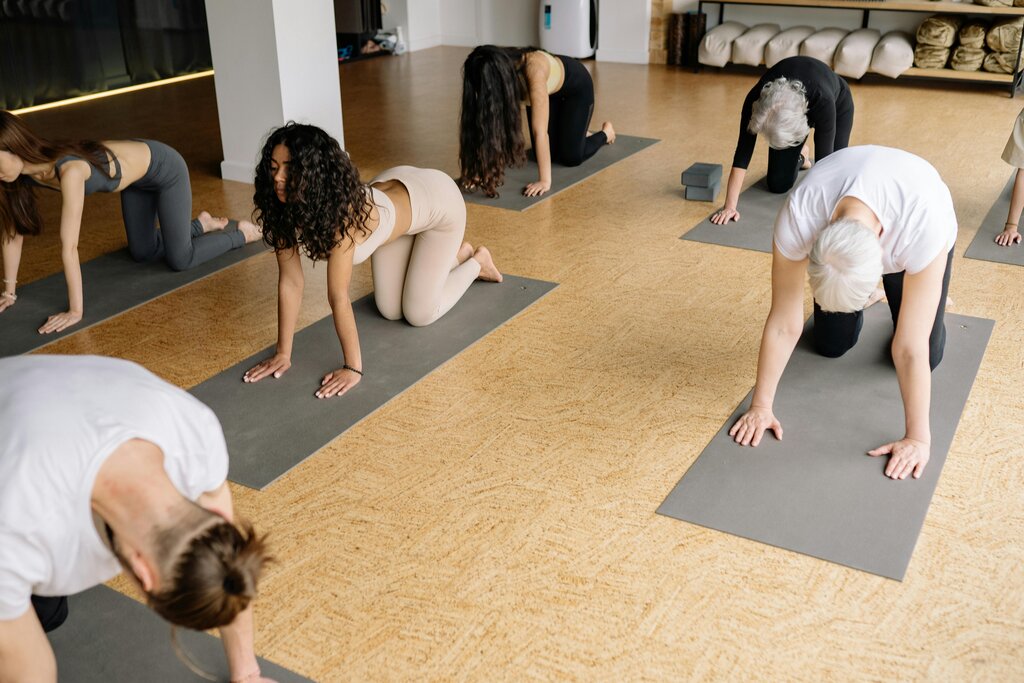
Asanas are what most people recognize as yoga. These poses range from simple seated positions to challenging balancing acts. The goal isn't just to achieve a certain shape but to connect your movement with your breath. This mindful movement helps release physical tension and quiet the mind.
Next is pranayama, or the art of breathing.
Pranayama
noun
The practice of breath regulation in yoga. It involves various techniques to consciously control the breath, which is believed to influence the flow of life energy, or 'prana'.
In yoga, the breath is seen as a powerful tool. By learning to control it, you can influence your mental and emotional state. Simple breathing exercises can calm you down when you're stressed or energize you when you feel sluggish. It's the bridge between the physical practice of asana and the mental focus of meditation.
The third pillar is meditation. This is the practice of focusing the mind to achieve a state of deep rest and awareness. It doesn't mean emptying your mind, but rather observing your thoughts without getting carried away by them. Even a few minutes of meditation can bring a sense of clarity and calm.
Benefits for Mind and Body
The integration of asana, pranayama, and meditation creates a holistic practice with wide-ranging benefits. Physically, yoga can improve flexibility, strength, balance, and posture. It's a low-impact way to move your body and can help reduce aches and pains.
Mentally, the benefits are just as significant. The focus on breath and mindfulness helps calm the nervous system, which can lead to reduced stress and anxiety. Many people find that a regular yoga practice improves their mood, focus, and overall sense of well-being.
The aim of yoga is to create a balance between the mind and body, achieve harmony between human and nature, and promote overall health and well-being by quieting the mind and freeing it from distractions.
This balance is the ultimate goal. Yoga isn't about competition or perfection. It's a personal journey of self-discovery, helping you feel more centered and connected in your daily life.
Ready to check your understanding?
According to the text, what is the primary goal of yoga?
What is the Sanskrit term for the physical postures practiced in yoga?
By understanding these core principles, you have a solid foundation for exploring the practice of yoga.