Introduction to Yoga
Introduction to Yoga
What is Yoga?
At its heart, yoga is a practice of connection. The word itself gives us a clue. It comes from the ancient Sanskrit language and has a simple, powerful meaning.
Yoga
noun
To yoke or unite. It refers to the union of the individual consciousness with the universal consciousness, indicating a harmony between mind and body, and between human and nature.
This isn't just about touching your toes or standing on your head. It's about bringing together different aspects of yourself—your mind, your body, and your spirit. When these elements work in harmony, it can lead to a sense of wholeness and peace. It’s a way to quiet the constant chatter in our heads and connect with something deeper.
Yoga is a journey of the self, through the self, to the self.
A Quick Look Back
Yoga isn't a new fitness trend. Its roots stretch back over 5,000 years to ancient India. The earliest ideas were passed down orally from teacher to student. Eventually, these teachings were written down in sacred texts like the Vedas and, much later, systemized in the Yoga Sutras by a sage named Patanjali.
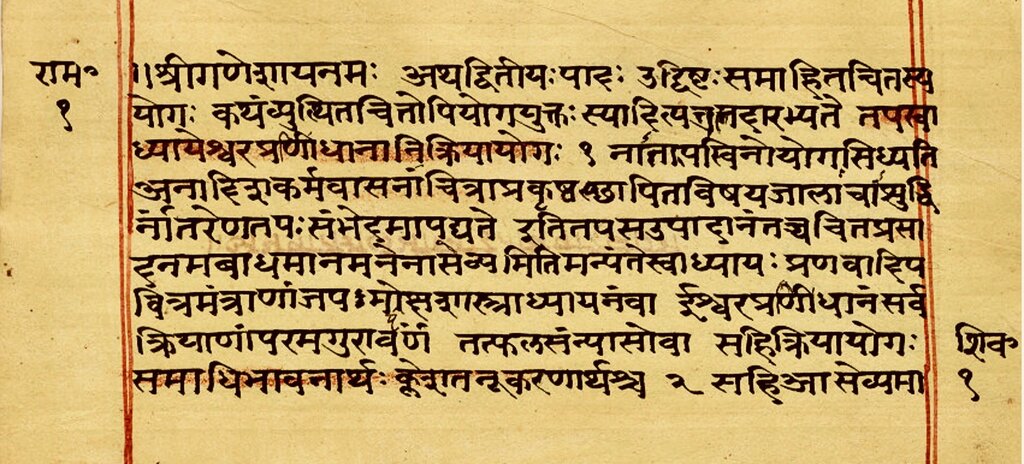
Over thousands of years, yoga has grown and changed. What started as a deeply spiritual and meditative practice has branched out in many directions. But the core goal has always remained the same: to achieve a state of balance and understanding.
Four Paths, One Goal
There isn't just one way to practice yoga. Classical yoga philosophy outlines four main paths, each suiting a different personality and approach to life. While they seem distinct, they all lead toward the same goal of self-realization.
| Path | Meaning | Focus |
|---|---|---|
| Bhakti Yoga | Path of Devotion | Chanting, prayer, and selfless love |
| Jnana Yoga | Path of Knowledge | Study, self-inquiry, and contemplation |
| Karma Yoga | Path of Action | Selfless service without attachment to results |
| Raja Yoga | The "Royal" Path | Meditation and control of the mind |
Bhakti Yoga is the path of the heart. It’s about channeling emotions into love and devotion. Think of it as cultivating a deep, loving connection to everything and everyone around you.
Jnana Yoga is the path of the intellect. It suits the curious and analytical mind. Practitioners use study and self-reflection to cut through illusion and understand the true nature of reality.
Karma Yoga is the path of action. This path teaches that you can find freedom by performing your duties selflessly, without expecting praise or reward. Every action, from washing dishes to helping a coworker, can become a form of yoga.
Raja Yoga, or the "royal path," is what most people in the West think of as yoga. It's a structured system for gaining control over the mind through physical postures (asanas), breathing exercises (pranayama), and meditation.
Yoga Today
In our fast-paced world, the ancient practice of yoga has found new relevance. Many people start practicing for the physical benefits—increased flexibility, strength, and balance. It's an excellent way to counteract a sedentary lifestyle.
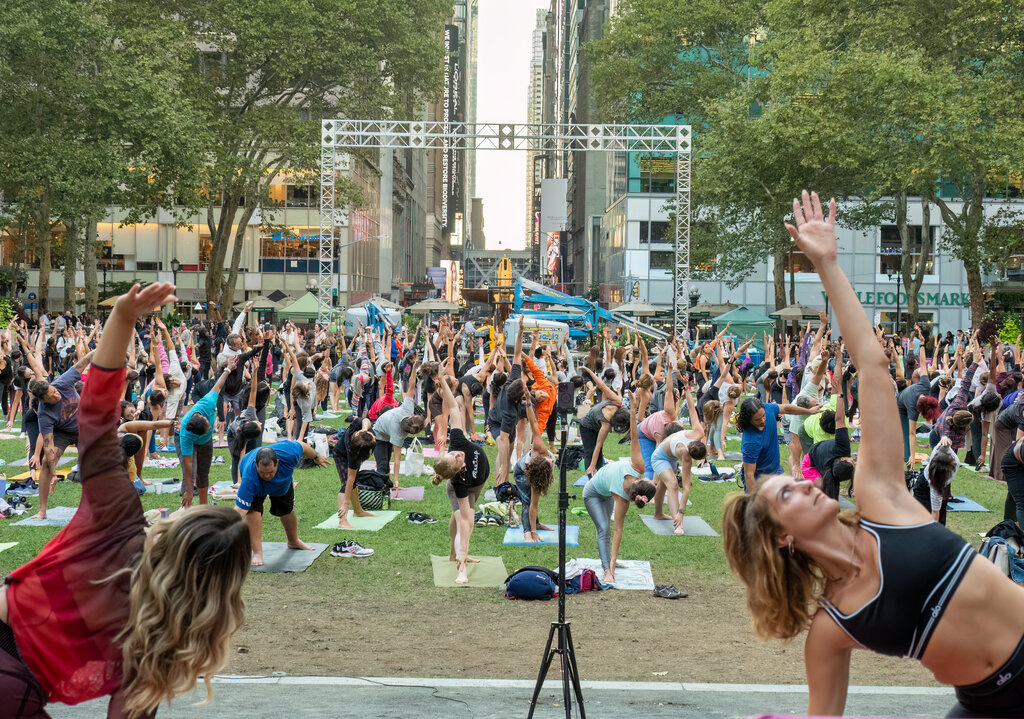
But often, people discover that the benefits go much deeper. The focus on breath and mindfulness provides a powerful tool for managing stress and anxiety. It offers a rare opportunity to disconnect from technology and reconnect with ourselves. Whether you're seeking physical fitness, mental clarity, or a spiritual connection, yoga offers a path.
Ready to check your understanding?
The Sanskrit word "yoga" primarily translates to what concept?
Which path of yoga is known as the path of intellect and wisdom, suited for those with an analytical mind?
Understanding these core ideas provides a foundation for exploring the rich and diverse world of yoga.