Introduction to Wine
Introduction to Wine
What Is Wine?
At its core, wine is simply fermented grape juice. That's it. Yeast, a tiny microorganism, consumes the natural sugars in grape juice and converts them into alcohol and carbon dioxide. This magical transformation is called fermentation.
Fermentation
noun
A metabolic process that produces chemical changes in organic substrates through the action of enzymes. In winemaking, it's the conversion of sugar into alcohol by yeast.
While other fruits can be fermented to create 'wines' (like apple or elderberry wine), the term almost always refers to grapes unless specified otherwise. Every bottle starts with this fundamental process, but from there, a world of possibilities opens up.
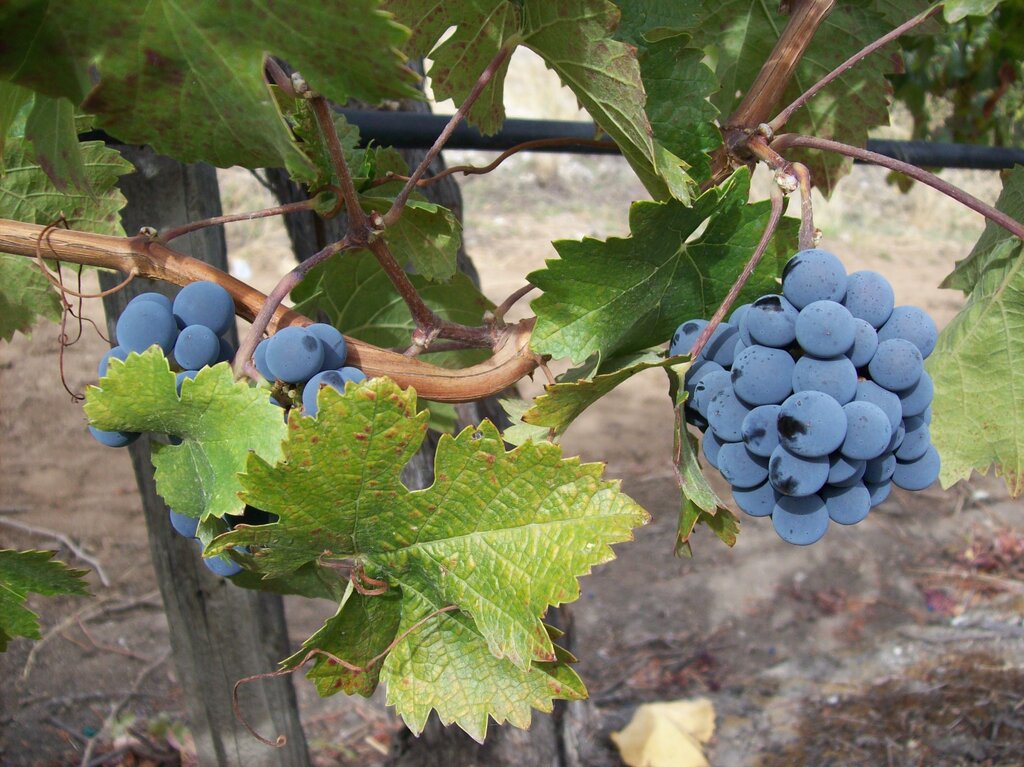
From Grape to Glass
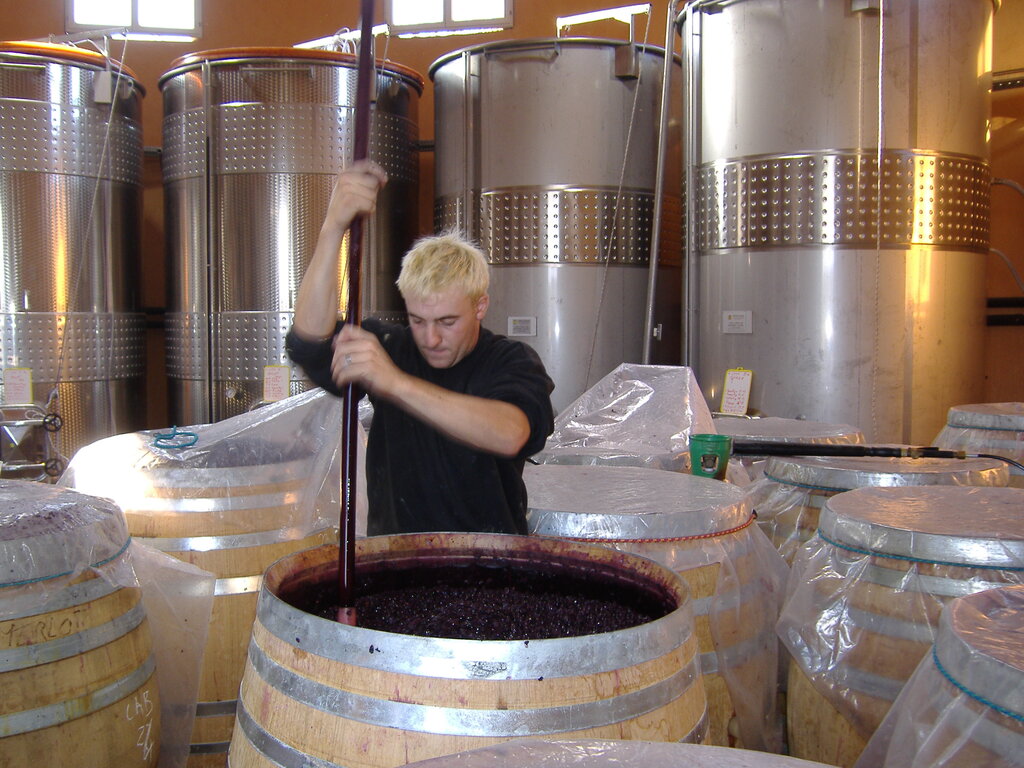
The journey from a grapevine to the wine in your glass follows a few key steps. It begins with harvesting the grapes at the perfect moment of ripeness. Next, the grapes are crushed to release their juice. For red wines, the skins, seeds, and stems are left in the juice to add color, flavor, and texture. For most white wines, these are removed quickly.
Then comes fermentation. After the yeast has done its work, the wine is aged. This can happen in various containers, from stainless steel tanks to oak barrels, each imparting different characteristics. Finally, the wine is bottled and ready to be enjoyed.
Why Wines Taste Different
If all wine is just fermented grape juice, why do a Cabernet Sauvignon and a Pinot Noir taste so different? Four key factors create the vast diversity of wines.
- Grape Variety: There are thousands of grape varieties, and each has its own unique flavor profile. A Chardonnay grape tastes nothing like a Sauvignon Blanc grape, and that difference carries through to the finished wine.
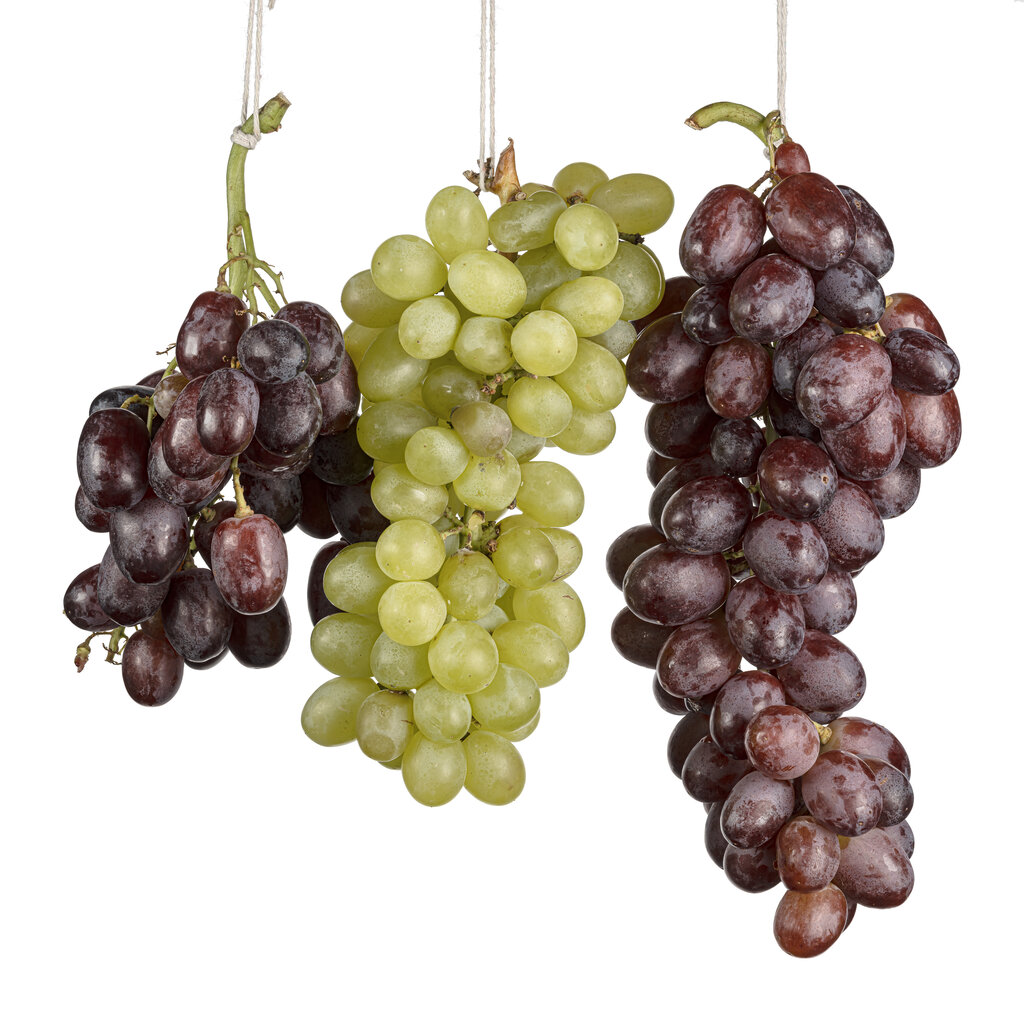
- Climate and Soil: Where the grapes are grown matters immensely. Grapes from a warm, sunny region will be riper and produce wines with higher alcohol and fuller body. Grapes from cooler climates often result in more delicate, acidic wines. The soil type also contributes distinct mineral notes. This combination of geography, climate, and soil is often referred to by the French term terroir.
- Winemaking Techniques: The choices a winemaker makes have a huge impact. How long are the grape skins left in the juice? Is the wine aged in a stainless steel tank (which preserves fresh, fruity flavors) or an oak barrel (which adds notes of vanilla, spice, and toast)? These decisions shape the final product.
- Vintage: The weather conditions of a specific year, or vintage, can affect the grapes. A hot, dry year will produce very different grapes—and thus, a very different wine—than a cool, rainy year. This is why some years are considered better than others for certain wine regions.
Understanding these four elements is the first step to appreciating why one bottle of wine can be so distinct from another. It's a combination of nature and nurture, starting with the grape and ending with the winemaker's craft.
What is the name of the process where yeast converts the sugar in grape juice into alcohol and carbon dioxide?
What key step differentiates the production of red wine from most white wines immediately after the grapes are crushed?