Introduction to Wine Tasting
Introduction to Wine Tasting
How to Taste Wine
Tasting wine is less about rules and more about paying attention. It’s a way to slow down and use your senses to understand what’s in your glass. By following a simple, structured approach, you can unlock the stories a wine has to tell about its grapes, origin, and creation.
Anyone who has ever attended a wine event knows the five S’s of wine tasting: See, Swirl, Sniff, Sip, Savor.
This five-step method is a straightforward way to analyze a wine. It’s not about being pretentious; it’s a practical technique that helps you organize your thoughts and perceptions.
See and Swirl
Your first clues about a wine come from its appearance. Hold the glass against a white background and look at its color and clarity. Is it brilliant or cloudy? The color itself can reveal a lot.
A deep, opaque purple might suggest a young, full-bodied red wine like a Cabernet Sauvignon. A pale, almost translucent ruby could be a lighter red, like Pinot Noir. For whites, a pale straw color with hints of green might point to a young Sauvignon Blanc, while a deep golden yellow could indicate an aged Chardonnay or a sweet dessert wine.
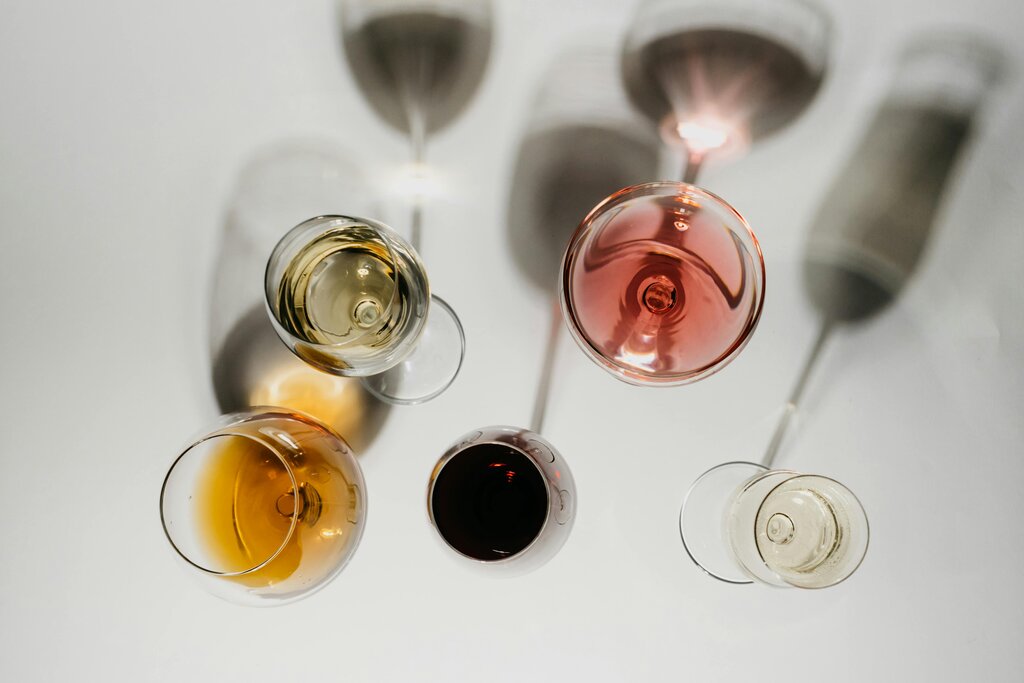
Color can also hint at a wine's age. As red wines get older, they tend to lose their vibrant color, turning more garnet or even brownish. White wines do the opposite, gaining color and becoming deeper and more golden with age.
After observing the color, give the glass a gentle swirl. This simple action does something crucial: it introduces oxygen into the wine, which helps to release its aromatic compounds. You’ll notice the wine clinging to the sides of the glass, creating streaks known as "legs" or "tears." While often linked to quality, they mostly indicate the wine's alcohol content.
Smell, Sip, and Savor
Now, bring the glass to your nose and take a deep sniff. What do you smell? Don't worry about getting it "right." The goal is to simply notice the aromas. Our sense of smell is directly linked to our sense of taste, and a wine's aroma is a huge part of its overall flavor profile.
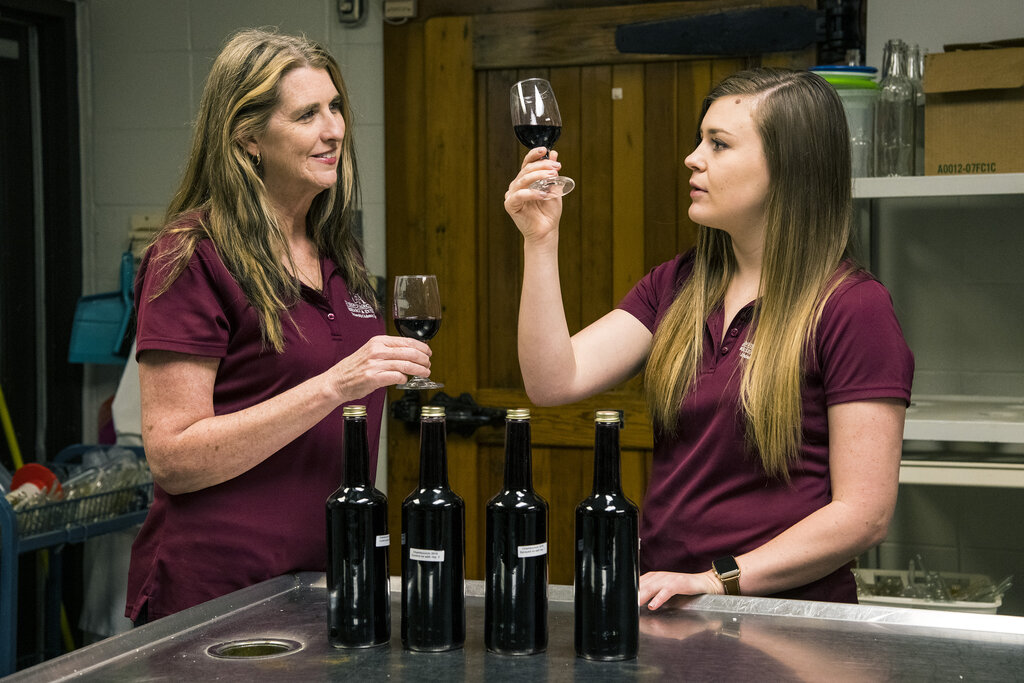
Next, take a small sip. Let the wine coat your entire mouth. As you do, think about the basic tastes you perceive. Is it sweet? Is there a mouth-watering tartness (acidity)? For red wines, do you feel a drying, slightly bitter sensation on your tongue and gums? That’s tannin, a compound that comes from grape skins, seeds, and stems.
Finally, savor the wine. After you swallow or spit, pay attention to the lingering flavors and sensations. This is called the "finish." Is it short and abrupt, or does the pleasant taste last for a while? The finish is the wine's final impression, a lasting memory of its character.
This whole process activates all your senses, helping you build a memory bank of flavors and textures. With each wine you taste, you’ll get better at noticing the details that make it unique.
What is the primary goal of using a structured, multi-step method for tasting wine?
What is the main reason for swirling wine in a glass before smelling it?