Introduction to Wine Tasting
Introduction to Wine
What is Wine?
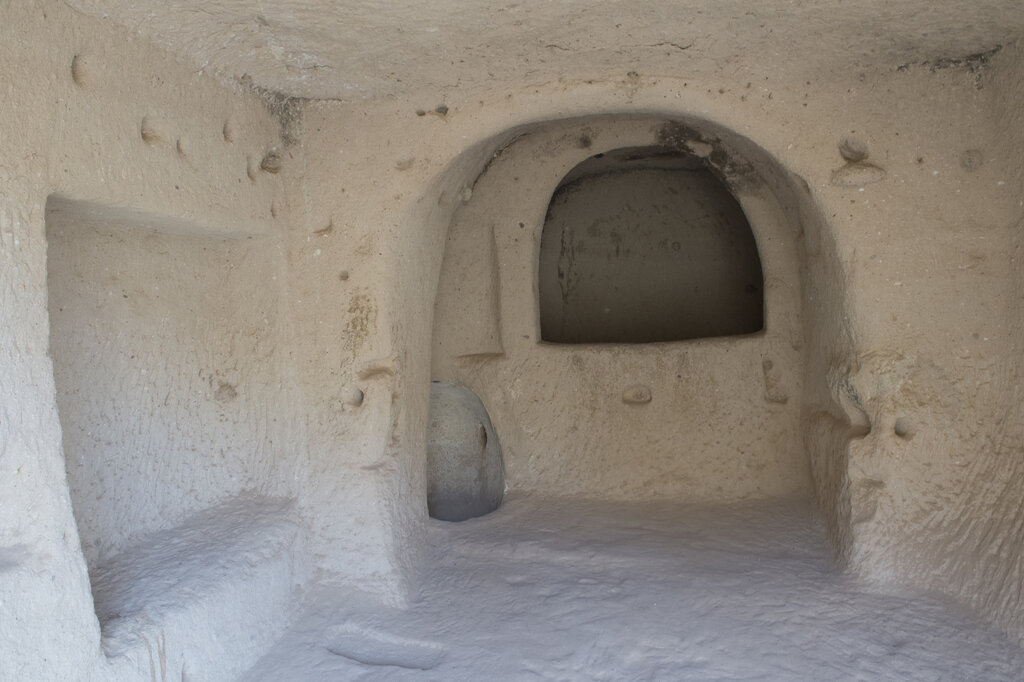
At its heart, wine is simple: it’s fermented grape juice. But this simple definition hides a rich history stretching back thousands of years. Humans have been making and enjoying wine since at least 6000 BC, making it one of the oldest alcoholic drinks.
From ancient celebrations to modern dinner parties, wine has always been more than just a beverage. It's a cultural staple, a companion to food, and a reflection of the place it comes from.
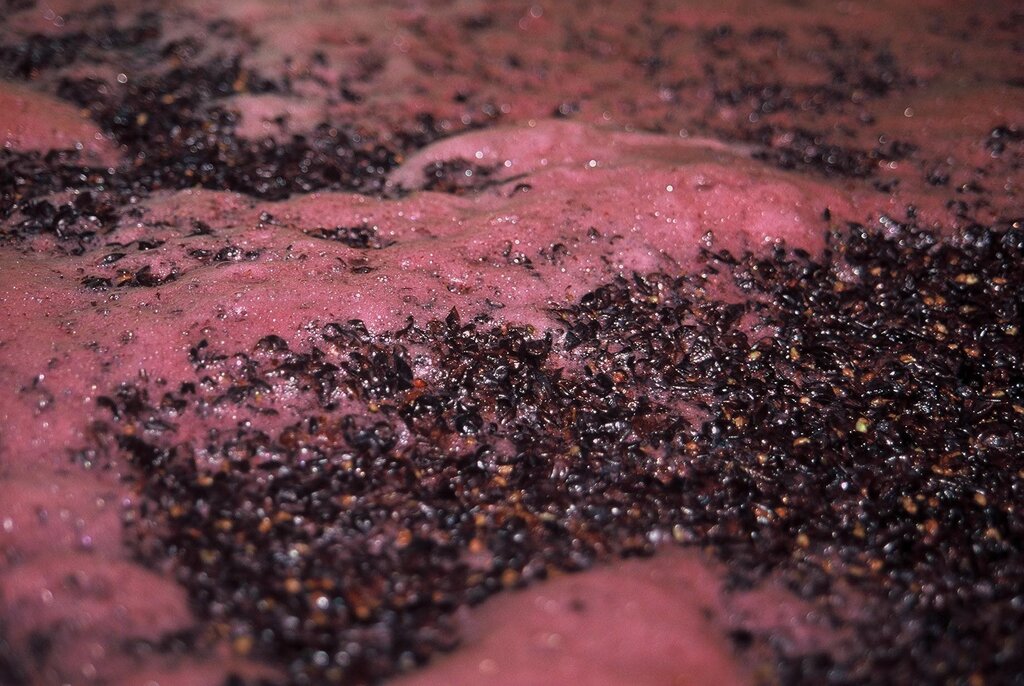
The magic of wine lies in a natural process called fermentation. When grapes are crushed, tiny microorganisms called yeast, which are naturally present on grape skins, begin to consume the sugars in the juice. This process converts the sugar into alcohol and carbon dioxide, transforming the sweet juice into wine.
From Grape to Glass
So how do we get from a cluster of grapes on a vine to a bottle of wine on the table? The winemaking process, while complex in its details, can be broken down into five main steps.
1. Harvesting: Grapes are picked from the vines. Winemakers decide the exact right moment to harvest, as this affects the wine's acidity, sweetness, and flavor.
2. Crushing: The grapes are crushed to break their skins and release the juice. Traditionally, this was done by foot, but today it's usually done with machines.
3. Fermentation: This is the core of the process. The grape juice, or "must," is left to ferment. The primary difference between red and white winemaking happens here. For red wines, the grape skins, seeds, and stems are left in the juice during fermentation, which imparts color, flavor, and tannins. For white wines, the skins are separated from the juice before fermentation begins.
4. Aging: After fermentation, the wine is aged to allow its flavors to develop and soften. This can happen in various containers, from large stainless steel vats to oak barrels, each affecting the final taste.
5. Bottling: Finally, the wine is filtered to remove any solids and then bottled, ready to be enjoyed.
A Sense of Place
Wine is deeply connected to where it's made. The climate, soil, and terrain of a vineyard all influence the taste of the grapes. This concept is so important in the wine world that there's a special term for it.
terroir
noun
The complete natural environment in which a particular wine is produced, including factors such as the soil, topography, and climate.
This is why wines from different regions can taste so distinct, even if they are made from the same type of grape. Famous wine regions, like Bordeaux in France, Tuscany in Italy, and Napa Valley in California, are known for producing wines with a unique character shaped by their specific terroir.
Wine is geography in a glass.
Understanding these foundational ideas is the first step in appreciating the vast and fascinating world of wine. From the history in every bottle to the specific place it came from, there's always more to discover.