Introduction to Wine and Sommelier Basics
Introduction to Wine Tasting
How to Taste Wine
Tasting wine is more than just drinking it. It’s a way to slow down and use your senses to understand what’s in the glass. It’s not about being pretentious or using fancy words. It’s about paying attention to sight, smell, and taste to appreciate the craft that went into the bottle.
Anyone who has ever attended a wine event knows the five S’s of wine tasting: See, Swirl, Sniff, Sip, Savor.
This simple, five-step method is the foundation for wine tasting. It turns a simple drink into a full sensory experience, helping you identify and appreciate the nuances that make each wine unique.
First, You See
The first step begins before the wine even touches your lips. Hold the glass by the stem and tilt it against a white background, like a napkin or tablecloth. Look at the wine. Is it clear and brilliant, or is it hazy? A well-made wine is almost always clear.
Next, observe the color. The color can give you clues about the wine's age, grape variety, and even the climate where it was grown. A young white wine might be pale straw with green hints, while an older one could be a deep gold. For reds, a vibrant purple might suggest youth, whereas a softer, brick-red or tawny color can indicate age.
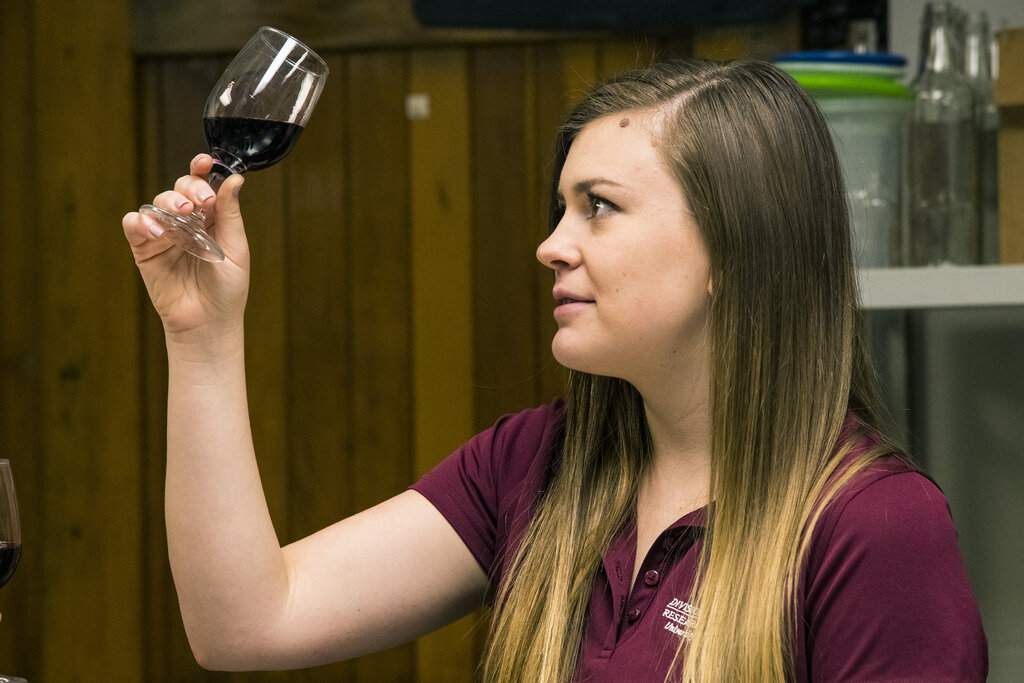
The depth of color also tells a story. A pale red wine might be a light-bodied Pinot Noir, while a deep, opaque one could be a full-bodied Cabernet Sauvignon.
Swirl and Sniff
Now, gently swirl the wine in the glass. This isn't just for show. Swirling aerates the wine, allowing oxygen to mix with it and release its aromatic compounds. You’re essentially waking it up so it can express itself.
After a few swirls, bring the glass to your nose and take a deep sniff. What do you smell? Don't worry about getting it "right." Just think about what the aromas remind you of. Is it fruity? You might pick up notes of berries, citrus, or tropical fruit. These are the primary aromas that come directly from the grape, revealing its varietal character.
Beyond fruit, you might notice other scents. Aromas like vanilla, spice, toast, or butter often come from the winemaking process itself, especially fermentation and aging in oak barrels. These are known as secondary aromas. Finally, with older, well-aged wines, you might detect tertiary aromas—complex scents like leather, mushroom, tobacco, or nuts that develop over time in the bottle.
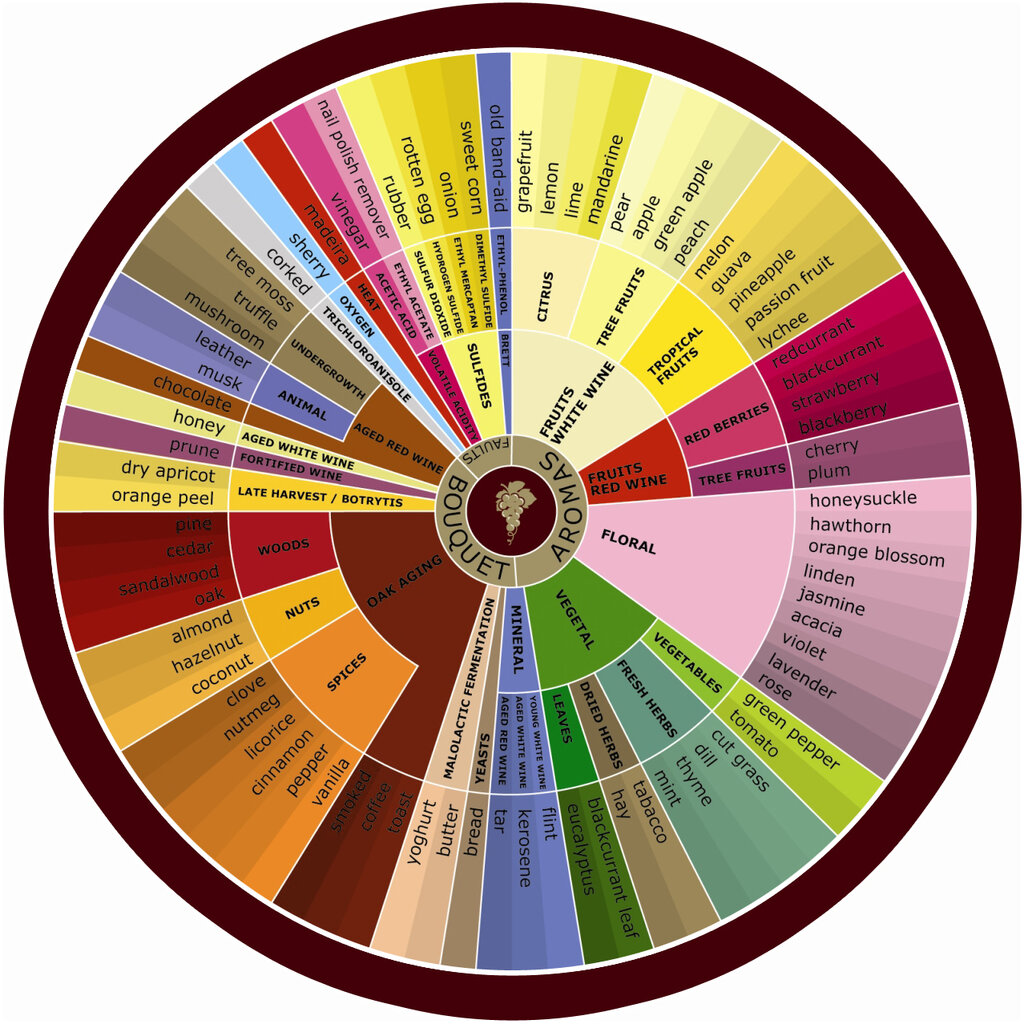
The combination of these aromas creates the wine's bouquet. A wine with many layers of scent is considered complex and expressive.
Sip and Savor
Finally, it's time to taste. Take a small sip, a little larger than a sip of mouthwash, and let it coat your entire palate. As you hold the wine in your mouth, think about the initial taste, how it feels, and the lingering finish.
Pay attention to the structure. Is it sweet or dry? How acidic is it? Acidity makes your mouth water and gives the wine a refreshing quality. For red wines, consider the tannins. Tannins are compounds from the grape skins, seeds, and stems that create a drying sensation in your mouth, similar to drinking strong black tea. A well-integrated wine has a good balance between its sweetness, acidity, tannins, and alcohol. Nothing should feel jarring or out of place.
Balance is key. It's the harmony between all the wine's components, ensuring no single element overwhelms the others. A balanced wine feels complete and satisfying.
The final step is to savor the finish. After you swallow or spit, how long do the flavors linger on your palate? A long, pleasant finish is often a sign of a high-quality wine. This is your chance to reflect on the entire experience. Was the wine simple and straightforward, or was it complex with many layers to discover? Did it express its grape variety and origin clearly?
This whole process—from see to savor—is about building a mental library of smells and tastes. The more you practice mindful tasting, the better you'll become at understanding and enjoying the incredible world of wine.
When tasting a wine, what is the primary purpose of swirling it in the glass?
A taster describes smelling notes of leather and tobacco in an older red wine. These scents are examples of what?