Introduction to Wine
Wine History
Ancient Roots
Wine's story begins long before recorded history, likely as a happy accident. Imagine early humans gathering wild grapes. Some get crushed at the bottom of a container, and the natural yeasts on the grape skins begin to ferment the juice. The result? A simple, alcoholic beverage. This process happened independently in various places, but the earliest concrete evidence of winemaking dates back to around 6000 BCE in the Caucasus region, in what is now modern-day Georgia. Archaeologists have found ancient clay jars, called qvevri, containing the residue of wine.
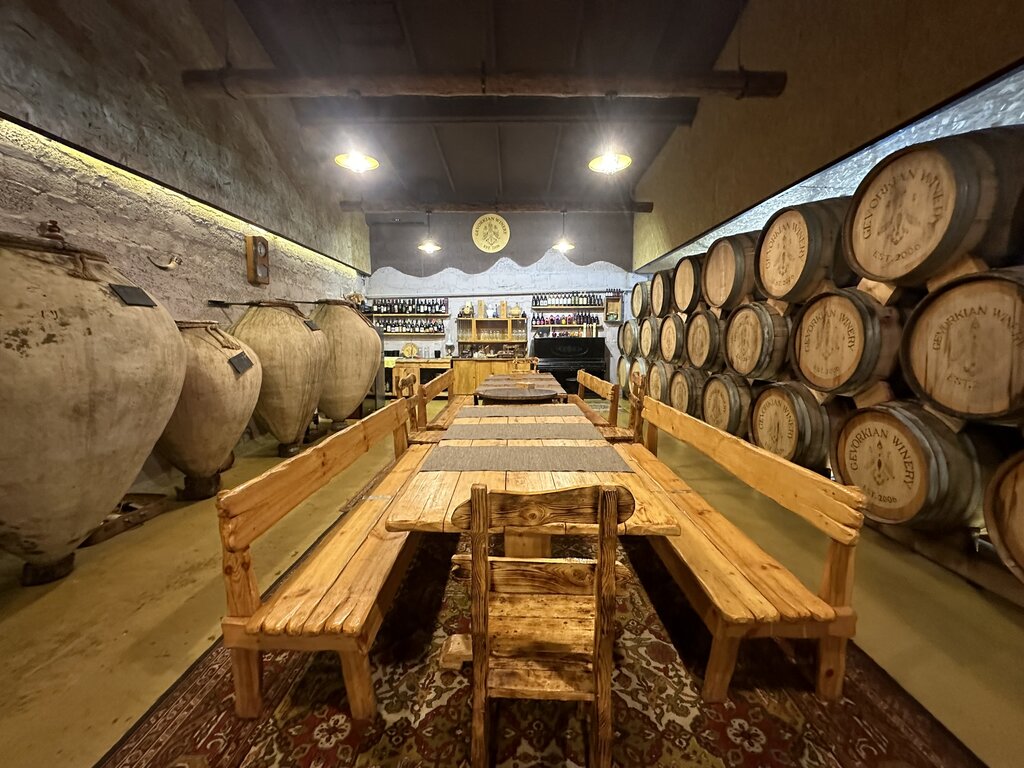
From the Caucasus, the knowledge of viticulture, or grape cultivation, spread south and west. By 4000 BCE, winemaking was established in the Zagros Mountains of present-day Iran. As civilizations like Mesopotamia and Egypt rose, wine became an important part of their cultures, often reserved for royalty, priests, and the elite. It was used in religious ceremonies, as medicine, and as a valuable trade good.
The Classical World
The ancient Greeks truly elevated wine from a simple beverage to a cultural cornerstone. They worshipped Dionysus, the god of wine, and centered social gatherings called symposiums around its consumption. For the Greeks, wine wasn't just for intoxication; it was a symbol of civilization, a catalyst for philosophical debate, and a part of daily life. They also pioneered new techniques in viticulture, identifying which grapes grew best in certain areas.
When the Romans conquered Greece, they absorbed Greek winemaking culture, adopting Dionysus as their own god, Bacchus. But the Romans were engineers and empire-builders, and they applied this mindset to wine. They developed new technologies like the wine press and cultivated vineyards on a massive scale. As the Roman Empire expanded, so did the grapevine. Roman soldiers and settlers brought vines with them, planting them in territories that would become the legendary wine regions of France, Spain, Germany, and Portugal.
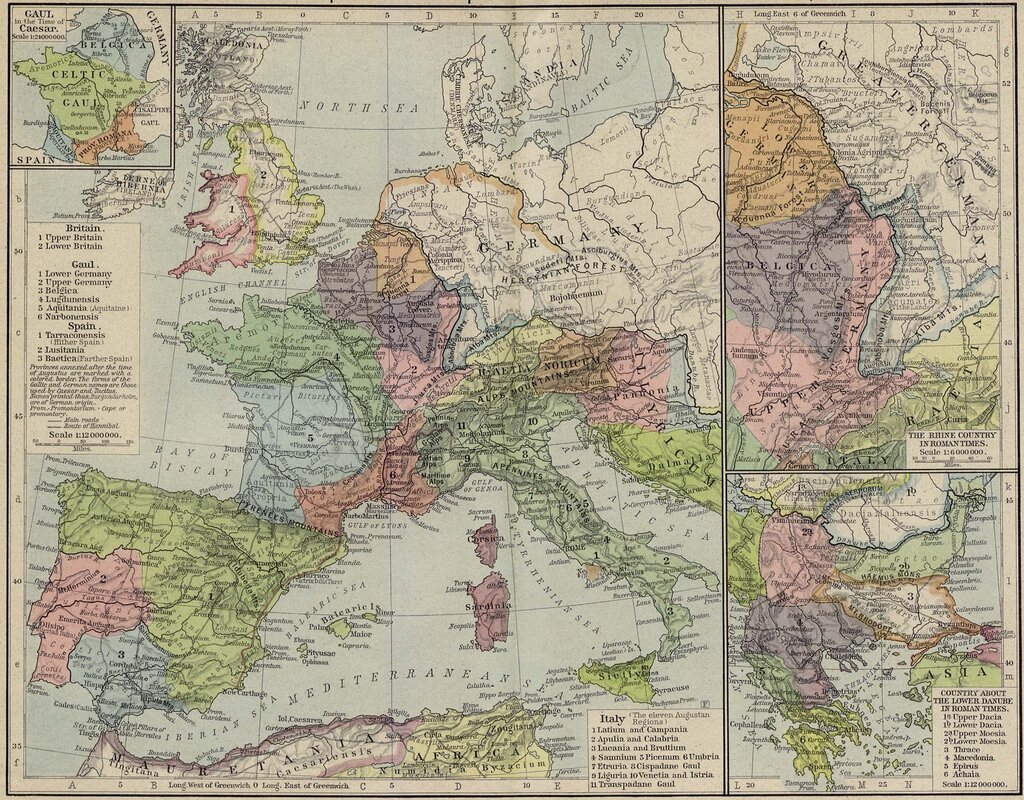
Wine was democratic in Roman society. It was consumed by everyone, from the emperor to the common soldier and slave, though the quality varied wildly. It was safer to drink than water, provided vital calories, and was a staple of the Roman diet. Wine was so integrated into the fabric of the empire that its trade routes formed a vital part of the economy.
A Near-Fatal Blow
For centuries, Europe's vineyards flourished. But in the mid-19th century, disaster struck. A tiny, sap-sucking insect called phylloxera, native to North America, was accidentally introduced to Europe. American grapevines had co-evolved with the pest and developed resistance. European vines (Vitis vinifera), however, had no natural defenses.
The phylloxera aphid attacks the roots of grapevines, slowly starving the plant of nutrients and water until it dies. The infestation was a silent, underground plague.
The epidemic was devastating. It swept across the continent, wiping out an estimated 70% of Europe's vineyards. The French wine industry, the global standard-bearer, was brought to its knees. For decades, botanists and vintners desperately sought a solution. They tried everything from flooding vineyards to applying chemical pesticides, with little success.
The ingenious solution came from an unlikely source: the very continent the pest had come from. By grafting the delicate European Vitis vinifera vines onto the hardy, phylloxera-resistant rootstock of American grapevines, the European wine industry was saved. This practice continues to this day for the vast majority of the world's vineyards.
Wine in the New World
While wine has a long history in the Americas, dating back to the first European colonists, the United States' path to becoming a wine powerhouse was rocky. The industry was growing in the 19th and early 20th centuries until Prohibition brought it to a screeching halt in 1920. For thirteen years, the commercial production and sale of alcoholic beverages were banned.
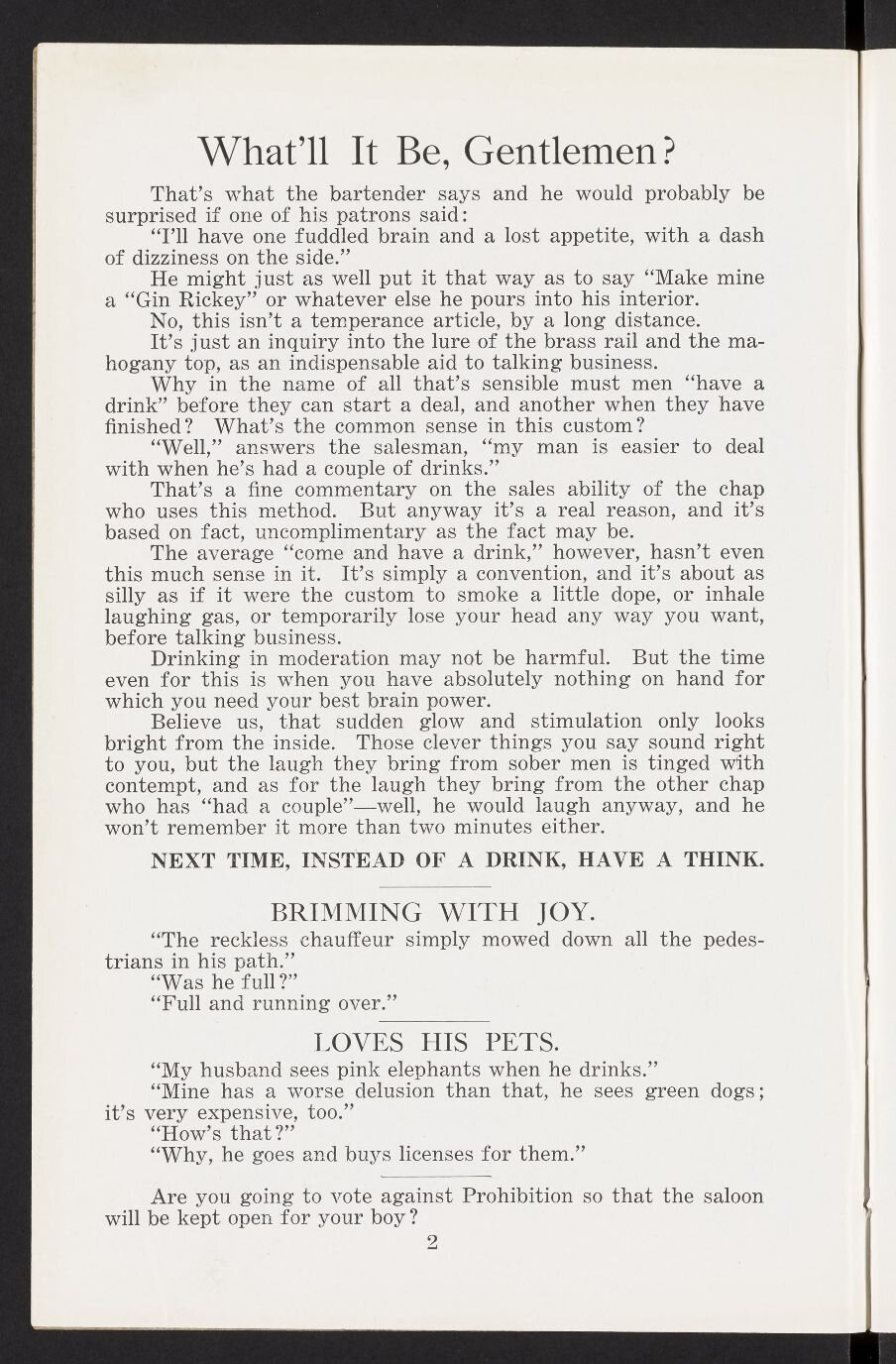
Most wineries went out of business. Vineyards were torn up and replanted with other crops like plums and walnuts. Only a few wineries survived by obtaining permits to produce sacramental wine for religious purposes. When Prohibition was repealed in 1933, the American wine industry was a shadow of its former self. The knowledge and infrastructure had been lost, and the public's taste had shifted towards sweeter, fortified wines.
Wine grapes finally came back into strong demand in the 1960s.
It took decades to rebuild. A new generation of ambitious winemakers emerged, particularly in California, dedicated to producing high-quality wines that could compete on the world stage. Their moment arrived in 1976 at a blind tasting in Paris. In a shocking upset, Californian wines beat out their top-tier French counterparts. This event, known as the Judgment of Paris, shattered the myth of French wine supremacy and put American wine on the global map, kicking off a renaissance that continues today.
Ready to test your knowledge of wine's long and fascinating journey?
Where is the earliest concrete evidence of winemaking found, dating back to around 6000 BCE?
Which ancient civilization is credited with democratizing wine consumption and spreading grape cultivation throughout much of Europe via their expanding empire?
From an accidental discovery in ancient clay pots to a globally celebrated beverage, wine's history is deeply intertwined with our own. Each bottle reflects a long chain of cultivation and culture stretching back millennia.