Introduction to Wine
Introduction to Wine
More Than Just Grape Juice
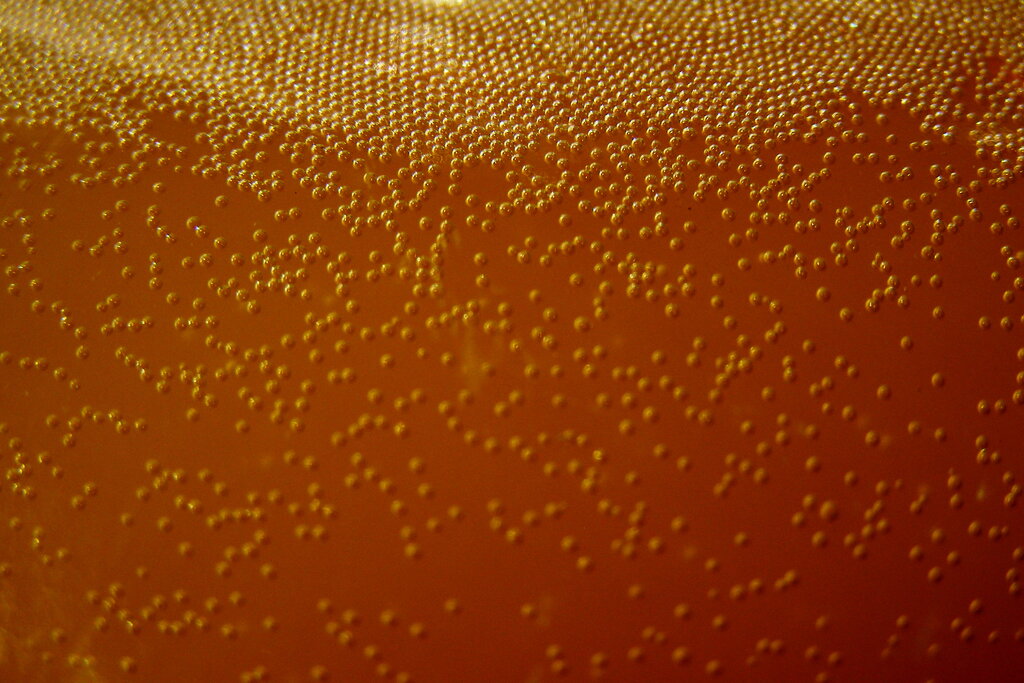
At its core, wine is simple: fermented grape juice. Yeast, a tiny microorganism, eats the sugar in grape juice and converts it into alcohol and carbon dioxide. That’s the basic transformation. But from this simple process comes a world of incredible complexity and variety.
Wine is more than just a drink. It’s a snapshot of a particular place and time. It’s a reflection of the soil, the climate, and the culture that produced it. Every bottle tells a story of the land and the people who tended it.
A Sip Through Time
Wine is ancient. The earliest evidence of winemaking dates back over 8,000 years to the region of modern-day Georgia. From there, it spread across the ancient world. For civilizations like the Egyptians, Greeks, and Romans, wine wasn't a luxury item reserved for special occasions. It was a dietary staple, a form of medicine, a key part of religious ceremonies, and often safer to drink than local water.
The Roman Empire was instrumental in spreading viticulture (grape-growing) across Europe. As their legions conquered new lands, they brought grapevines with them. Later, during the Middle Ages, Christian monasteries became the primary custodians of winemaking knowledge, carefully tending to vineyards to produce wine for both communion and daily life.
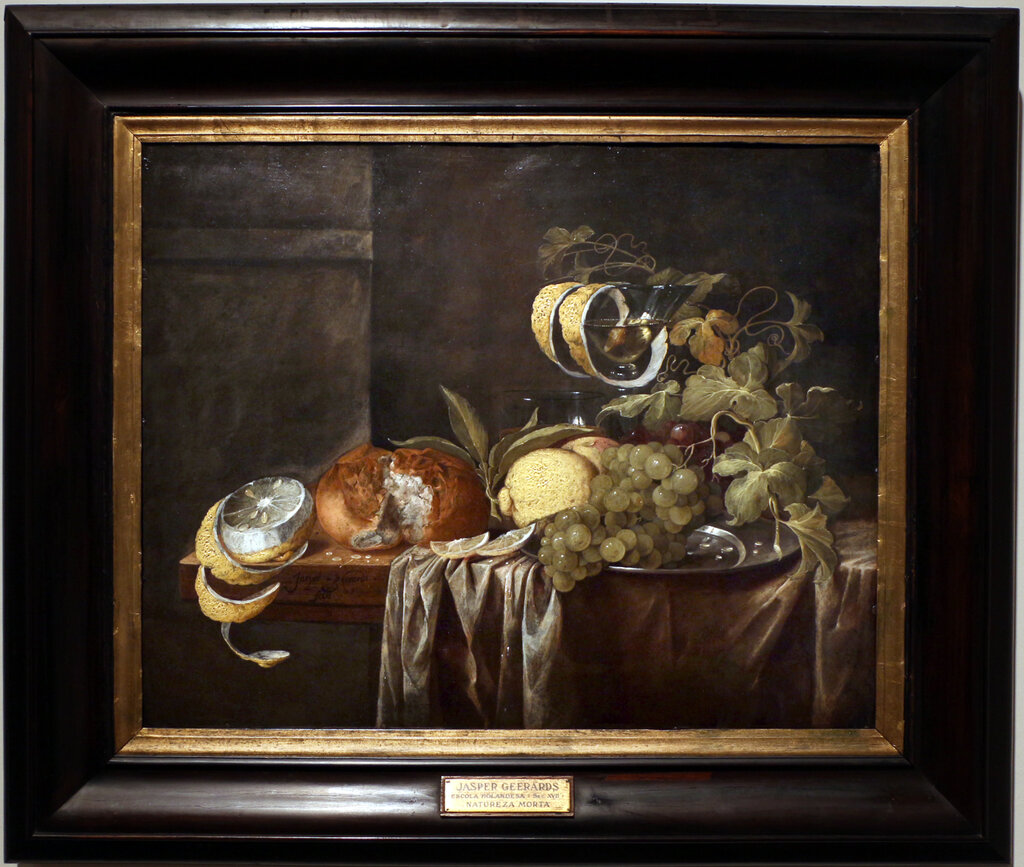
This long history is part of what makes wine so compelling. It connects us to the past, from ancient Roman banquets to medieval monks. Every glass carries a piece of that heritage.
The Building Blocks of Wine
So what makes one wine taste so different from another? While the grape variety and winemaking techniques play a huge role, every wine is built on four fundamental components: acidity, tannin, alcohol, and sweetness. Understanding these elements is the first step to understanding what's in your glass.
Think of these four components as the pillars that give a wine its structure and personality.
Acidity Acidity is what makes a wine taste crisp and refreshing. It’s the tartness you feel, similar to the sensation of biting into a green apple or sipping fresh lemonade. It causes your mouth to water. Acidity is crucial for a wine's balance, as it cuts through richness and keeps the flavors feeling bright and lively. Wines with good acidity are also better suited for aging.
Tannins Tannins are compounds found in the skins, seeds, and stems of grapes. They are most prominent in red wines, as the juice ferments with these elements. Tannin creates a drying sensation in your mouth, a bit like drinking strong black tea. It adds bitterness, complexity, and a structural backbone to the wine. It's also a natural preservative, allowing wines to age for decades.
Tannin
noun
A naturally occurring polyphenol found in plants, seeds, bark, wood, leaves, and fruit skins. In wine, it contributes to the astringent, mouth-drying sensation.
Alcohol Alcohol is the primary product of fermentation and provides the body, or weight, of the wine. You might perceive it as a warming sensation in the back of your throat. Wines with higher alcohol levels tend to feel fuller and richer on the palate, while those with lower alcohol can feel lighter. Alcohol also plays a key role in carrying the wine's aromas to your nose.
Sweetness Sweetness in wine comes from residual sugar, the grape sugars that are left over after fermentation is complete. The level of sweetness can range from bone-dry, where there's no perceptible sugar, to lusciously sweet, as in dessert wines. The key is balance. A well-made sweet wine will have enough acidity to prevent it from tasting syrupy or cloying.
These four elements work together in harmony. A great wine is one where acidity, tannin, alcohol, and sweetness are all in balance, with no single component overpowering the others. Learning to identify them is the foundation of appreciating the art and science of wine.