Introduction to Welding
Introduction to Welding
What Is Welding?
Welding is a way of permanently joining two or more pieces of material, usually metals or thermoplastics. Unlike gluing or bolting, welding melts the base materials together. When they cool, they fuse into a single, solid piece. This process creates incredibly strong joints, which is why it's essential for building everything from cars and bridges to ships and skyscrapers.
The magic behind welding is simple: intense heat. By applying a concentrated heat source to the edges of the materials, you create a small pool of molten metal called a weld pool. Sometimes, pressure is also applied to help fuse the pieces. As the weld pool cools and solidifies, the separate pieces become one.
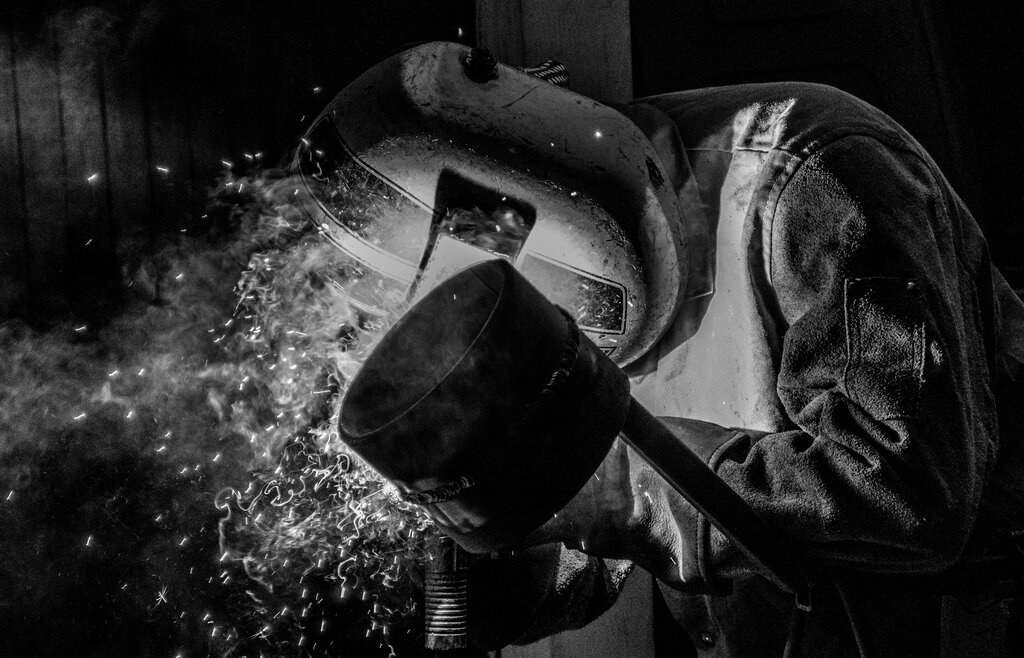
In many cases, an extra material is added to the joint to make it stronger. This is called a filler material or consumable. It melts along with the base metals, adding bulk and strength to the weld. The choice of filler depends on the metals being joined and the desired properties of the final weld.
By melting the base materials and often a filler together, welding creates a continuous, solid bond. This process of melting and joining is known as fusion.
Fusion
noun
The process or result of joining two or more things together to form a single entity.
Common Welding Methods
There isn't just one way to weld. Different jobs require different tools and techniques. Welding processes are typically categorized by how they generate heat. While there are dozens of specific types, most fall into a few main groups.
| Welding Process | Heat Source | How It Works |
|---|---|---|
| Arc Welding | Electricity | An electric arc is created between an electrode and the base material, producing intense heat. |
| Gas Welding | Burning Gas | A flame from the combustion of a fuel gas (like acetylene) with oxygen melts the materials. |
| Resistance Welding | Electrical Resistance | An electric current is passed through the metals, and the resistance to the current generates heat. |
Each method has its own advantages. For example, arc welding is versatile and widely used in construction and repair. Gas welding is portable and doesn't require electricity, making it useful in the field. Understanding the basic principles is the first step toward learning which process is right for a given task.