Introduction to Web Development
Introduction to Web Development
How Websites Work
Web development is the work of building and maintaining websites. Think of it like constructing a house. You need a solid structure, a visually appealing design, and functional systems like plumbing and electricity to make it livable. In web development, these pieces have digital equivalents that all work together to create the experiences you have online every day.
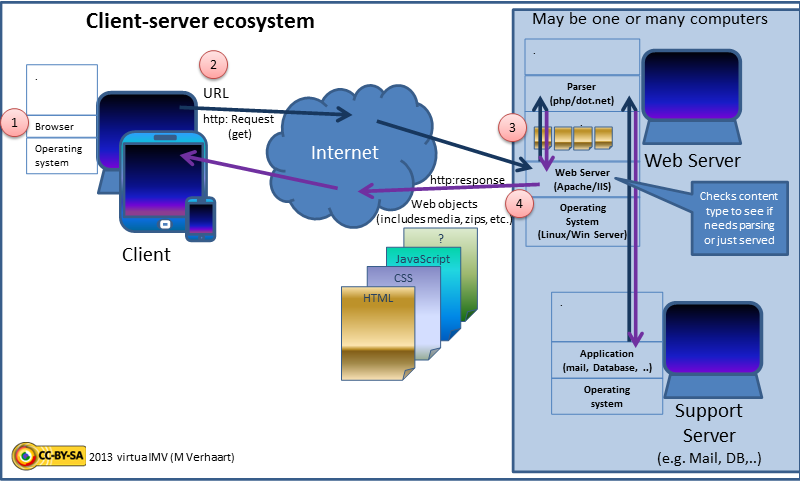
Every time you visit a website, a conversation happens between your device and a powerful computer somewhere else in the world. Your web browser is the client, and the computer hosting the website is the server. The client requests a webpage, and the server sends it back. This client-server model is the foundation of the entire web.
Client-Side vs. Server-Side
The work of web development is split into two main areas: client-side and server-side scripting. Each handles a different part of the job of delivering a webpage.
Client-side scripting refers to code that is executed by your web browser. This is the code responsible for what you see and interact with directly. It's like the interior design of the house—the paint colors, the furniture, and the light fixtures. The main technologies here are HTML (the structure), CSS (the style), and JavaScript (the interactivity).
When you fill out a form and a little red box appears telling you your password is too short before you even click submit, that's client-side scripting at work. Your browser runs the code instantly, providing immediate feedback without needing to talk to the server.
Server-side scripting refers to code that runs on the web server before the page is even sent to your browser. This is the behind-the-scenes work, like the house's foundation, electrical wiring, and plumbing. It handles tasks like processing data, managing user accounts, and interacting with databases.
Continuing the form example, after you click submit, your information is sent to the server. Server-side code (written in languages like Python, PHP, or Node.js) securely processes your new password, creates your account, and then sends a “Welcome!” page back to your browser.
The Role of Databases
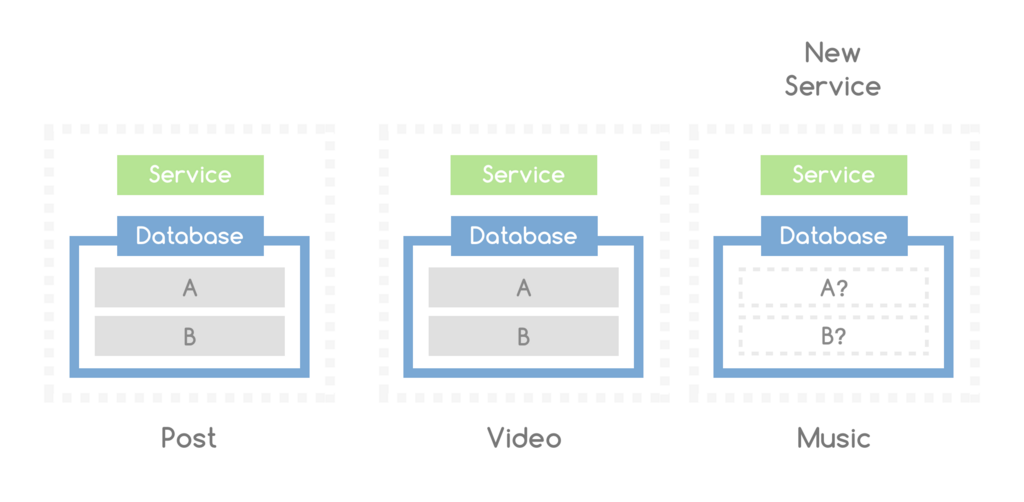
Websites need a place to store and retrieve data. Think of user profiles on social media, products on an e-commerce site, or articles on a news platform. All of this information lives in a database.
A database is an organized collection of data, like a library's card catalog or a massive set of digital spreadsheets. The server-side code is responsible for communicating with the database. When you log in, the server takes the username you provided and asks the database, “Do you have a user with this name and matching password?” The database checks its records and sends back a yes or no.
This interaction allows websites to be dynamic and personalized. Without a database, a site would be static, showing the same content to every visitor, and couldn't remember you from one visit to the next.
Essential Tools
To build all this, developers rely on a set of essential tools. While you can write code in a basic text file, specialized tools make the process much faster and more efficient.
IDE
noun
An Integrated Development Environment is a software application that provides comprehensive facilities to computer programmers for software development.
An IDE often includes a code editor with features like syntax highlighting (coloring code to make it readable) and autocompletion. It also includes tools for debugging (finding and fixing errors) and version control, which helps manage changes to code over time. A version control system, like Git, is like a time machine for your project, allowing you to track every change and collaborate with other developers without overwriting each other's work.
Finally, web browsers themselves are a critical tool. Developers use the built-in developer tools in browsers like Chrome, Firefox, and Safari to inspect the code of a live website, test changes, and diagnose problems on the client side.
In the client-server model of the web, what is the primary role of the client?
When you type an email address into a signup form and a message instantly appears saying "Invalid email format" before you hit submit, what is responsible for that immediate feedback?
These pieces—client, server, database, and tools—form the core of web development. Understanding how they fit together is the first step in learning to build for the web.