Introduction to Watercolor Painting
Introduction to Watercolor Materials
Choosing Your Tools
Getting started with watercolor doesn't require a studio full of expensive gear. A few quality basics will serve you better than a pile of cheap supplies. The right tools make learning easier and more enjoyable. Your core setup consists of three things: paint, brushes, and paper. Let's break down what you need for each.
Paint Pans vs Tubes
Watercolor paint comes in two main forms: solid cakes called pans, and soft paste in tubes.
Pans are set in a small palette and are activated with a wet brush. They are compact, portable, and perfect for sketching on the go. Since you're picking up small amounts of color at a time, they're great for smaller paintings and beginners.
Tubes contain rich, concentrated pigment. You squeeze a small amount onto a palette and mix it with water. This form is ideal when you need to mix a large amount of a specific color for big, uniform washes. The colors are often more vibrant right out of the tube.
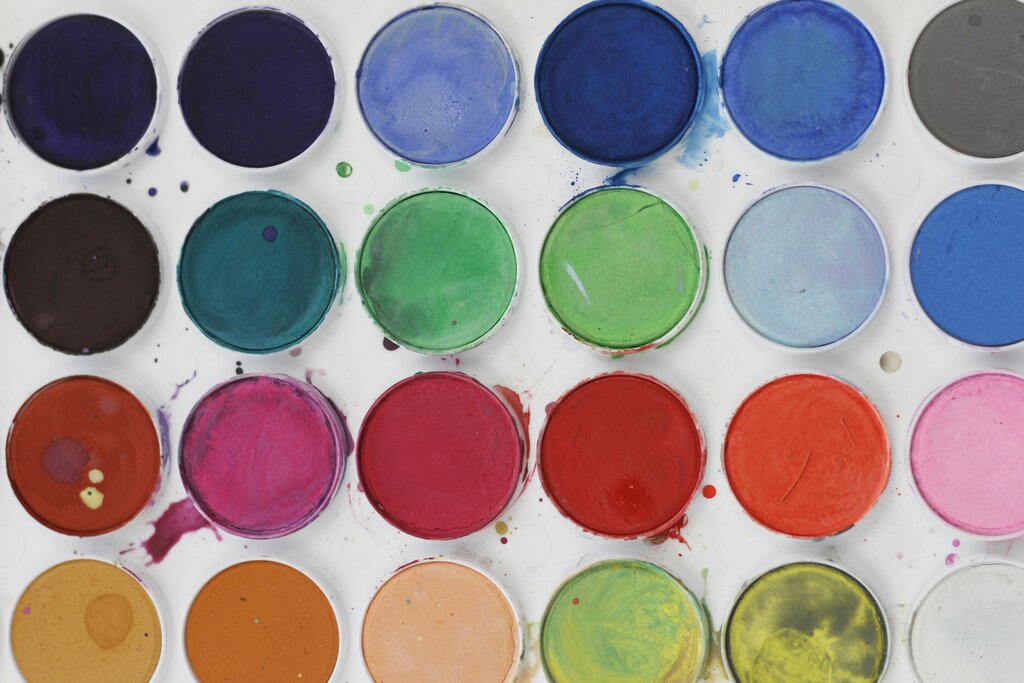
Many beginners start with a pan set because it's an all-in-one solution. As you get more comfortable, you might find you prefer tubes for their intensity and ease of mixing. There's no right or wrong answer; it's about what works for your style.
| Feature | Pan Watercolors | Tube Watercolors |
|---|---|---|
| Portability | Excellent | Less portable |
| Color Intensity | Good | Excellent, very vibrant |
| Best For | Beginners, travel, small details | Large washes, studio work |
| Waste | Very little | Can squeeze out too much |
Brushes and Paper
You don't need dozens of brushes to start. A couple of versatile shapes will cover most of your needs. Similarly, the paper you choose is just as important as your paint. It acts as the foundation for your work.
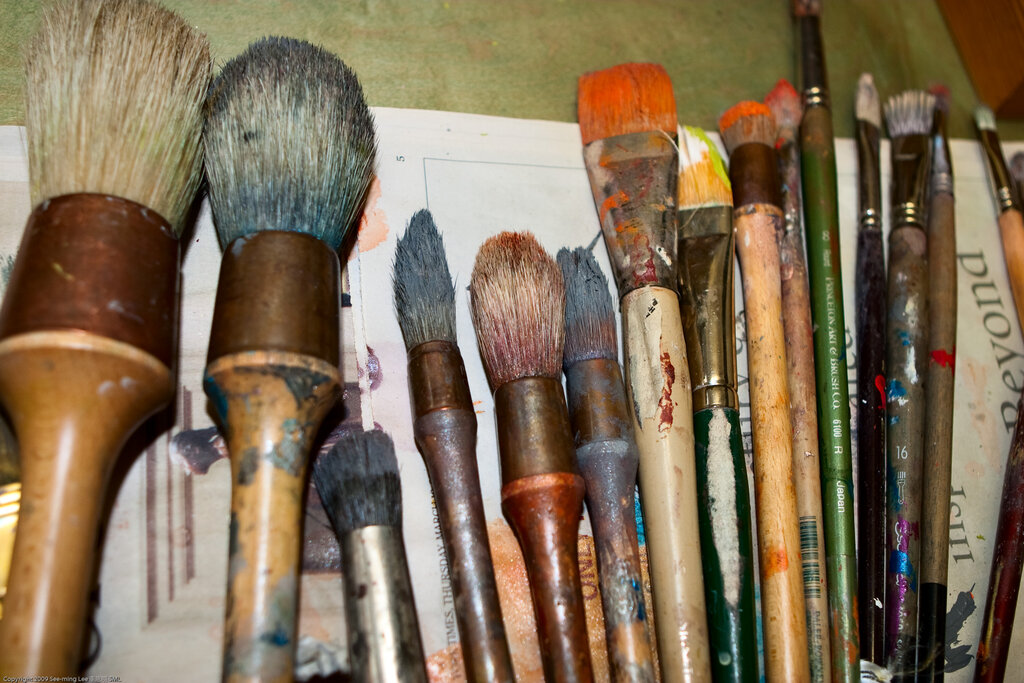
The two most essential brushes are a round and a flat.
-
Round Brush: This is the workhorse of watercolor. It has a rounded body of bristles (the belly) that comes to a fine point. The belly holds a lot of water and paint, while the tip allows for fine lines and delicate details. A good size 8 round brush is a perfect starting point.
-
Flat Brush: As the name suggests, the bristles are arranged in a flat, squared-off shape. This brush is perfect for laying down broad, even washes of color, creating sharp edges, and painting geometric shapes. A 1-inch flat is a great size to have.
Start with synthetic brushes. They are more affordable than natural hair brushes, durable, and perform very well for beginners.
Now for paper. Don't use standard printer paper. It will buckle and fall apart when wet. True watercolor paper is heavy and treated with "sizing" that allows water to sit on the surface, giving you time to work with the paint.
Paper comes in different textures, or "presses."
-
Cold-Press: This is the most popular choice. It has a noticeable texture, or "tooth." This texture is very forgiving and helps create the classic watercolor look. It's the best option for beginners.
-
Hot-Press: This paper has a smooth, hard surface. It's excellent for fine detail, pen and ink work, and botanical illustrations. However, paint can slide around more easily, making it less forgiving for beginners.
Other Useful Tools
Besides the big three, a few other items will make your life easier.
-
Palette: You need a surface for mixing your paints. If you have a pan set, the lid often doubles as a palette. A simple ceramic plate or butcher tray also works perfectly. Plastic palettes can sometimes cause paint to bead up.
-
Water Containers: Use two containers. One is for rinsing your brushes, and the other is for clean water to mix with your paints. This keeps your colors from getting muddy. Old jars or plastic cups work just fine.
-
Masking Fluid: This is a liquid latex that you paint onto areas you want to keep white. Once it dries, you can paint over it. After your paint is dry, you gently rub the masking fluid off, revealing the clean white paper underneath. It's fantastic for preserving highlights and creating crisp edges.
That's it. With these basics, you're ready to start exploring the world of watercolor painting.
If you need to mix a large, uniform wash of a single color for a background, which form of watercolor paint is generally the most efficient choice?
Which type of watercolor paper is recommended for beginners because its texture is more forgiving and helps create a classic watercolor look?
Now that your toolkit is ready, you can focus on the fun part: putting paint to paper.