Introduction to Watercolor Painting
Materials and Tools
Your Watercolor Toolkit
Getting started with watercolor doesn't require a studio full of expensive gear. A few key items are all you need to begin creating. The magic of watercolor lies in the interaction between paint, water, and paper. Understanding your tools is the first step toward controlling that magic.
Paints: Pans vs. Tubes
Watercolor paint comes in two main forms: solid cakes called pans, and soft, concentrated paint in tubes. Neither is better than the other; they just serve different purposes.
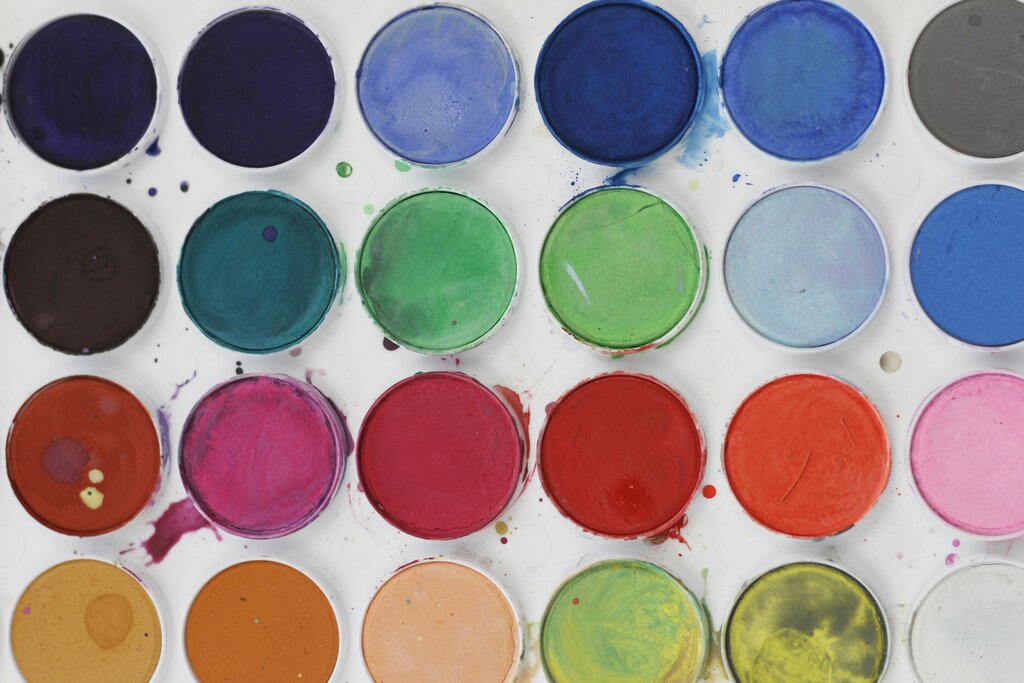
Pan paints are small, rectangular or circular blocks of dry paint. You activate them by touching them with a wet brush. They're fantastic for beginners, sketching, and traveling because they're compact and easy to manage. Most starter sets come in this format.
Tube paints contain a soft, paste-like pigment. You squeeze a small amount onto a palette and mix it with water. Tubes are great for mixing large, vibrant washes of color and are often preferred for studio work. A little goes a long way.
| Feature | Pan Paints | Tube Paints |
|---|---|---|
| Portability | Excellent | Good (requires a palette) |
| Color Intensity | Good, requires more water | Excellent, highly concentrated |
| Waste | Very little | Easy to squeeze out too much |
| Best For | Sketching, travel, beginners | Studio work, large paintings |
Brushes Make the Mark
You can start with just one or two versatile brushes. Brushes come in many shapes and sizes, but three types will cover most of your needs: round, flat, and mop.
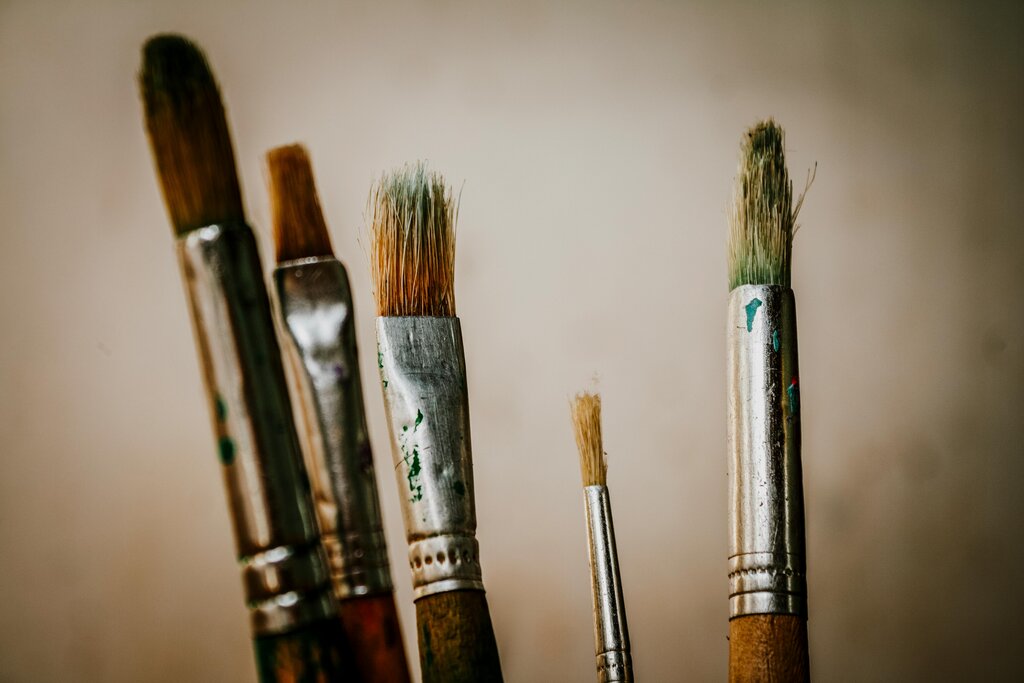
Round brushes are the workhorses of watercolor. They hold a good amount of water and can create both thick lines and, by using the tip, very fine details. If you only buy one brush, make it a round one.
Flat brushes have a squared-off tip. They are perfect for creating broad, even washes of color for backgrounds or skies. They can also make sharp, straight lines when you use the edge.
Mop brushes are large, soft, round brushes that hold a huge amount of water. They're used for applying water to large areas of paper or for creating big, loose washes of color. They aren't essential for beginners but are fun to use once you get the hang of things.
The Right Paper
Paper is arguably the most important part of your toolkit. Unlike regular drawing paper, watercolor paper is thick and absorbent, designed to handle a lot of water without buckling or falling apart. It comes in different textures, called 'press'.
Look for paper that is at least 140 lb (300 gsm). This weight is sturdy enough to prevent most warping.
The main types you'll encounter are hot-press and cold-press.
Hot-press paper is very smooth. It's pressed with hot rollers during manufacturing, which flattens the texture. This surface is ideal for fine detail, pen and ink work, and smooth, even washes.
Cold-press paper has a noticeable texture, or 'tooth'. This is the most common and versatile type of watercolor paper. The slight texture helps grab the pigment, creating beautiful, classic watercolor effects. It's a great choice for beginners.
There's also rough paper, which has a very pronounced, heavy texture. It's best for bold, expressive painting styles where texture is a key part of the final look.
Essential Extras
Besides paint, brushes, and paper, a few other items will make your painting sessions much smoother.
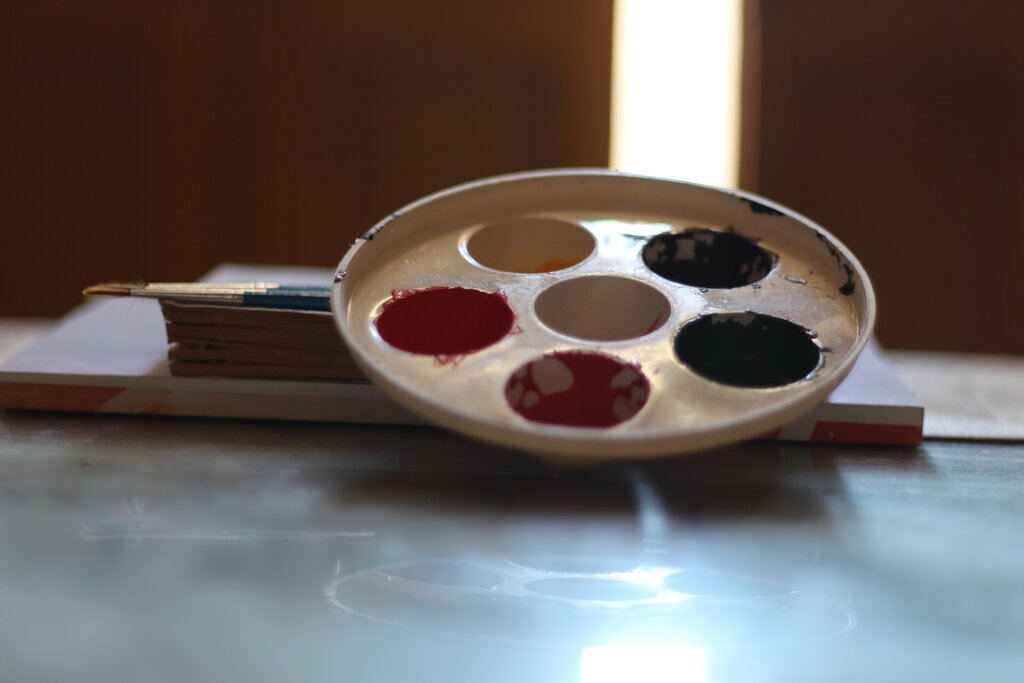
A palette is necessary for mixing colors, especially if you're using tube paints. A simple ceramic plate or a plastic palette with wells will work perfectly. The inside lid of a pan set also works as a mixing area.
You'll also want two jars of water: one for rinsing brushes and one for clean water to mix with your paints. This keeps your colors from getting muddy.
Other helpful tools include:
- Masking tape or artist's tape to secure your paper to a board. This helps prevent it from buckling as it dries.
- A sponge or paper towel to lift excess paint or water from the paper and to dab your brushes on.
- A pencil and a kneaded eraser for initial sketches. A kneaded eraser is gentle on paper and won't leave residue.
Ready to check your knowledge of these tools?
A beginner artist who enjoys sketching while traveling would likely find which type of watercolor paint most convenient?
If you wanted to create a large, smooth, even wash of color for a sky, which brush would be the most effective tool?
With these basics, you're ready to start exploring what watercolor can do.