Introduction to Watercolor Painting
Introduction to Watercolor
What is Watercolor?
At its core, watercolor is a painting method where pigments are suspended in a water-based solution. The name itself gives away the key ingredient: water. Unlike oil or acrylic paints that sit on top of a surface, watercolor soaks into it. This creates its most defining characteristic: transparency.
Think of it like stained glass. Each layer of color is translucent, allowing light to pass through the pigment and reflect off the white paper underneath. This gives watercolor paintings a unique luminosity. The more water you add, the lighter and more transparent the color becomes. The less water, the more intense and opaque.
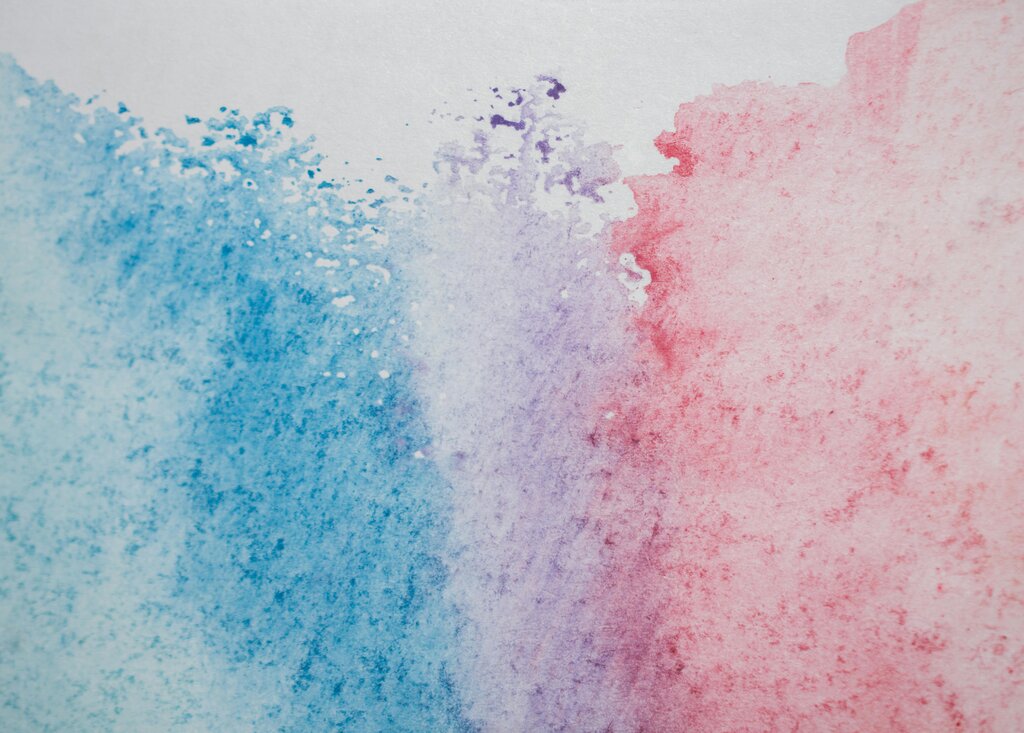
This medium is also known for its fluidity. Water has a mind of its own, and part of the art of watercolor is learning to guide its flow without completely controlling it. This can lead to beautiful, unexpected effects, but it also makes mistakes difficult to correct. Once a color is on the paper, it's pretty much there to stay. The primary support for watercolor is paper, specifically thick paper that can handle a lot of water without buckling or tearing.
A Brief History
Watercolor is one of the oldest art forms. Early humans used pigments mixed with water to create cave paintings. Ancient Egyptians used it to illustrate papyrus manuscripts. For centuries, it was mainly used for sketches, studies, or coloring maps and drawings.
It was during the Renaissance that artists began to see its potential as a medium for fine art.
The German artist Albrecht Dürer was one of the first masters, creating stunningly detailed and vibrant watercolors of plants, animals, and landscapes in the late 15th and early 16th centuries. He showed that watercolor could be just as rich and complex as oil painting.
However, watercolor truly came into its own in England during the 18th and 19th centuries. The English school of watercolor painting produced artists who celebrated the medium's ability to capture the fleeting effects of light and atmosphere in the landscape. It became the perfect tool for artists traveling and documenting the world around them.
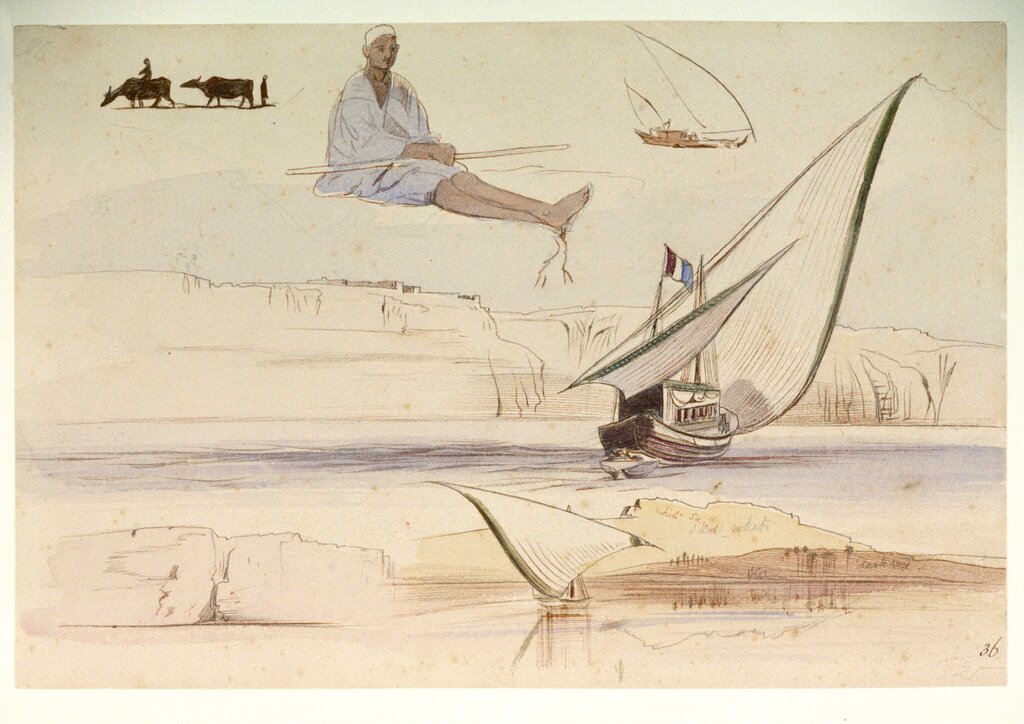
Pioneering Artists
Beyond Dürer, several key figures pushed watercolor forward. J.M.W. Turner, an English Romantic painter, was a revolutionary. He used wet-on-wet techniques, scratched into the paper, and used sponges to create dramatic, light-filled paintings that were ahead of their time. His work blurred the lines between representation and abstraction.
Later, the American artist John Singer Sargent mastered a more direct and confident style. His watercolors from his travels through Europe and the Middle East are famous for their dazzling light and seemingly effortless brushwork. He could suggest complex forms and textures with just a few well-placed strokes.
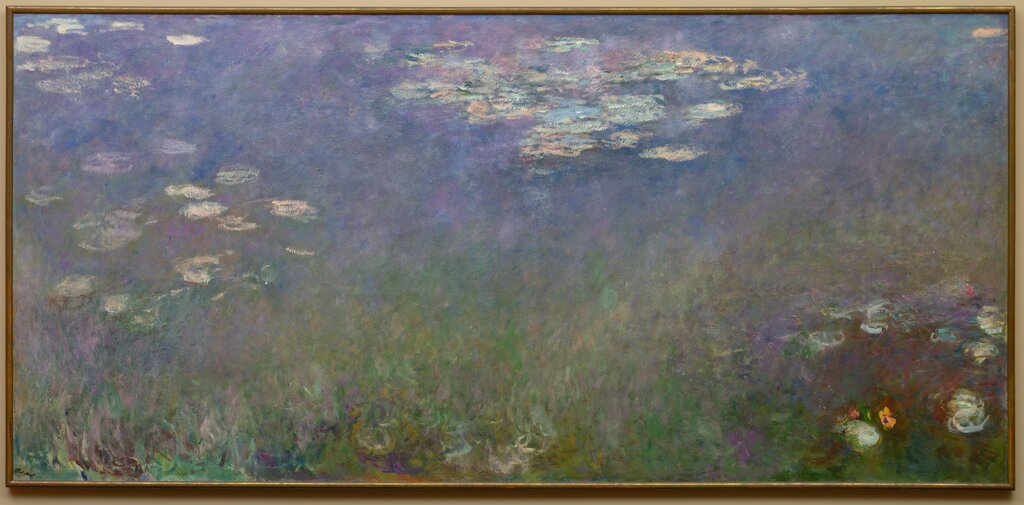
Artists like Georgia O'Keeffe also used watercolor to create powerful, abstract images. She was drawn to its fluidity and ability to produce smooth gradients of color, which she used in her iconic flower paintings and landscapes of the American Southwest. Each of these artists, in their own way, explored the unique properties of water and pigment to create lasting works of art.
Now, let's test your understanding of the basics of watercolor.
What is the most defining characteristic of watercolor that sets it apart from opaque mediums like oil or acrylic paint?
If an artist wants to create a more intense, saturated color with watercolors, they should: