Introduction to Video Essays
Introduction to Video Essays
What Is a Video Essay?
A video essay is exactly what it sounds like: an essay in video form. Instead of using only words on a page to explore a topic or make an argument, it uses a combination of moving images, sound, and text. Think of it as a documentary's shorter, more focused cousin.
The main goal is to present a specific point of view or analysis. A video essayist might dissect a scene from a film, explore a historical event, or explain a scientific concept. They use video clips, narration, music, and graphics to build their case, guiding the viewer through their thought process just as a writer would with paragraphs.
At its core, a video essay is a piece of critical analysis that uses the language of film and video to make its argument.
From Slideshows to Cinema
While the term "video essay" might seem new, the concept isn't. Academics have long used film clips in lectures to illustrate their points. You could even think of illustrated slideshows or narrated filmstrips as early ancestors of the form.
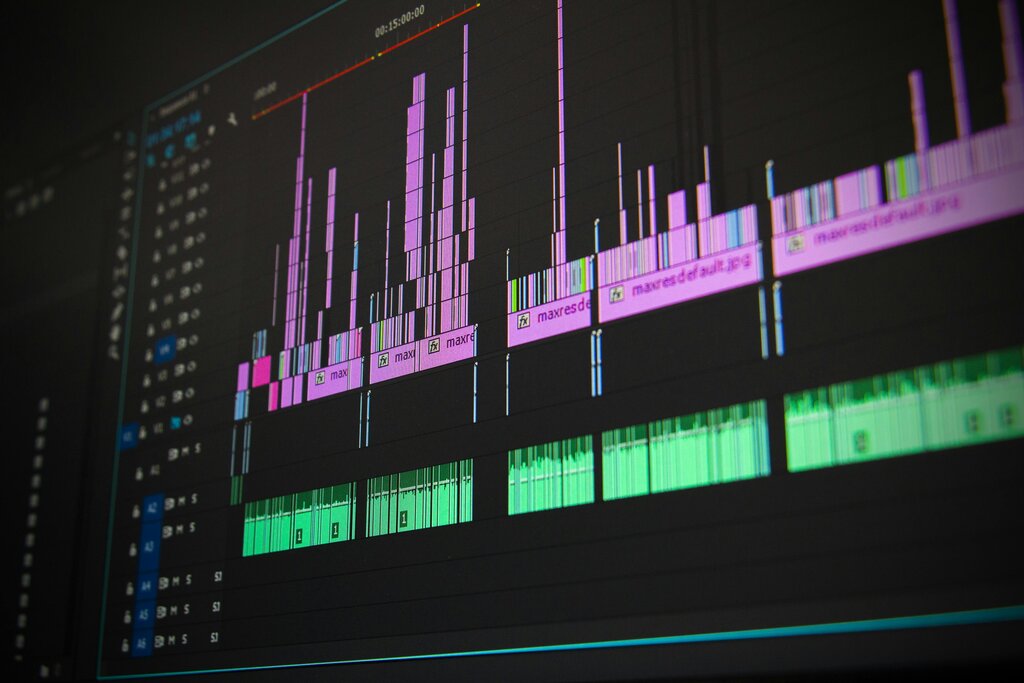
The real explosion of the video essay came with two key developments: the availability of consumer-grade editing software and the rise of online video platforms like YouTube and Vimeo. Suddenly, anyone with a computer could splice together clips, record a voiceover, and share their analysis with the world. This accessibility took the video essay out of the classroom and turned it into a popular and powerful medium for communication and entertainment.
Beyond the Written Word
A traditional essay relies on the power of words to persuade and inform. A video essay has a much larger toolkit. It can show, not just tell. Instead of describing a filmmaker's use of color, a video essay can display the scenes side-by-side, letting the evidence speak for itself.
Videos, unlike static texts, offer a rich tapestry of rhetorical elements: spoken word, visual imagery, body language, facial expressions, music, sound effects, editing techniques, and narrative pacing.
This table highlights some key differences:
| Feature | Written Essay | Video Essay |
|---|---|---|
| Medium | Text on a page | Video, audio, text, graphics |
| Argument | Built with words, sentences, paragraphs | Built with clips, narration, music, editing |
| Evidence | Quotes, descriptions, data | Direct footage, audio clips, animations |
| Pacing | Controlled by the reader | Controlled by the creator/editor |
| Senses | Sight (reading) | Sight and hearing |
Where You'll Find Them
Video essays are incredibly versatile and appear in many different contexts.
- Film & Media Criticism: This is perhaps the most popular genre. Creators analyze everything from blockbuster movies to niche video games, exploring themes, techniques, and cultural impact.
- Education: Teachers and educational creators use the format to explain complex topics in science, history, philosophy, and art in a visually engaging way.
- Personal Expression: Some video essays are more personal, functioning like visual journals or creative explorations of an idea or experience.
- Journalism & Commentary: News outlets and independent journalists sometimes use the video essay format for deep dives into current events or social issues.
What is the primary goal of a video essay?
Which two developments were most crucial for the explosion in popularity of the video essay?
The video essay is a dynamic and evolving medium, blending academic rigor with creative expression to explore ideas in a way that text alone cannot.