Introduction to Vibe Coding
Introduction to Vibe Coding
What is Vibe Coding?
Vibe coding is a new way to create software. Instead of writing every line of code yourself, you describe what you want to an artificial intelligence, and it does the writing for you. Think of it like directing a film instead of operating the camera. You provide the vision, the 'vibe', and the AI handles the technical details of bringing it to life.
You tell a Large Language Model (LLM) what the program should do using plain English. The LLM then generates the source code to accomplish that task.
This process is a conversation. You give an initial prompt, the AI generates code, and you test the result. If it's not quite right, you don't dive into the code to fix it. Instead, you tell the AI what needs to change, and it produces a new version. This cycle continues until the software works exactly as you intended.
A New Way to Build
Traditional programming requires a deep understanding of syntax and logic. A developer meticulously writes code, checks for errors, and debugs problems line by line. It's a craft that demands precision and expertise in a specific programming language.
Vibe coding shifts the focus from writing to directing. The developer's main skill becomes clearly articulating their goal and evaluating the outcome. This change opens up software development to a much wider audience, including those who have great ideas but lack formal programming training. You can build functional software without ever becoming an expert in Python or JavaScript.
Where Did It Come From?
The term 'vibe coding' was introduced by AI researcher Andrej Karpathy in February 2025. It emerged from the rapid advances in Large Language Models, or LLMs. These are complex AI systems trained on enormous amounts of text and code from the internet.
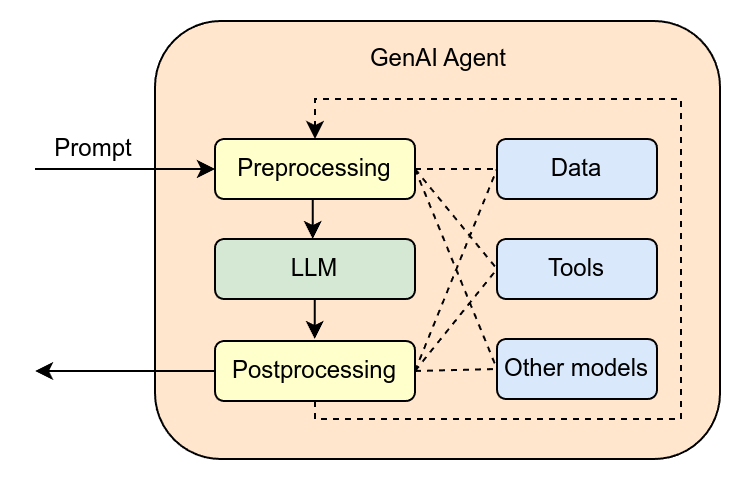
Because LLMs have processed so much human-written code, they have learned the patterns, syntax, and logic of programming. They can translate a natural language request—the 'vibe'—into functional code in a variety of languages. This ability to understand intent and generate complex output is the engine that makes vibe coding possible.
Time to check your understanding of these new concepts.
What is the primary role of a developer when 'vibe coding'?
Which of the following best describes the typical workflow in vibe coding?
This new approach represents a significant shift in how we think about creating software, making it more accessible and intuitive than ever before.