Introduction to Vegetarian Cooking
Introduction to Vegetarian Cooking
What is Vegetarian Cooking?
Vegetarian cooking is simply preparing meals without meat, poultry, or fish. People choose this path for many reasons, from health benefits and environmental concerns to personal ethics. It's not about restriction, but about exploring a wider world of flavors and ingredients found in plants.
A well-planned vegetarian diet is rich in vitamins, minerals, and fiber. It can lower the risk of heart disease, type 2 diabetes, and certain cancers. By focusing on plants, you also reduce your environmental footprint, as plant-based agriculture generally requires fewer resources than raising livestock.
The Plant-Based Pantry
A great vegetarian meal starts with a well-stocked pantry. Instead of revolving around a single protein, meals are built from a diverse cast of characters. Getting to know these core ingredient groups is the first step to becoming a confident vegetarian cook.
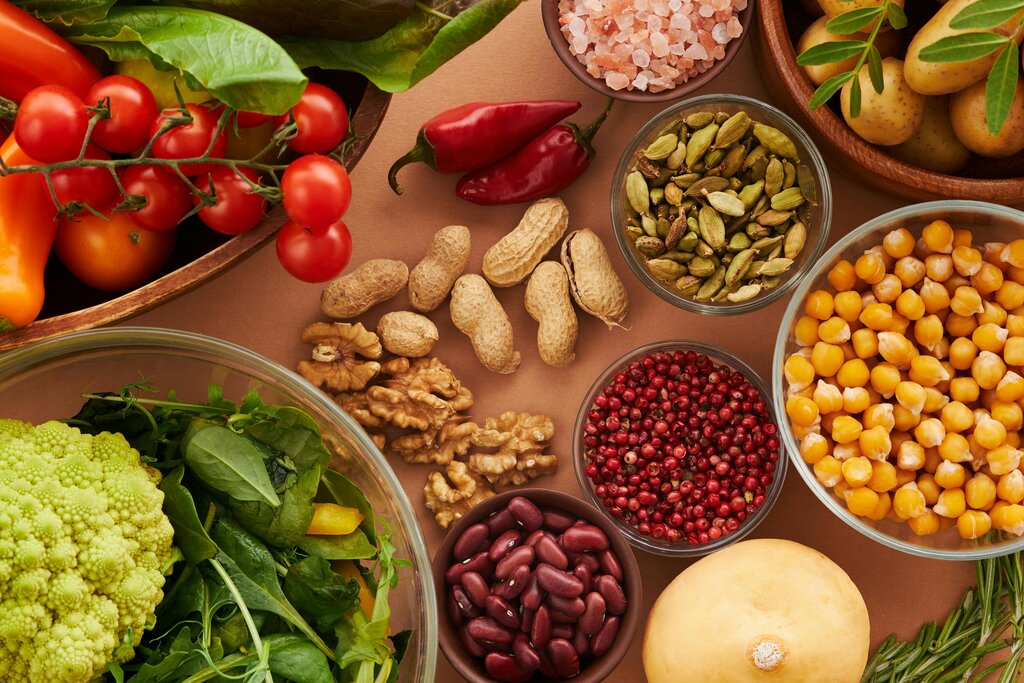
These are the building blocks you'll use again and again.
| Category | Examples | Role in a Meal |
|---|---|---|
| Legumes | Lentils, chickpeas, black beans, tofu | Protein, fiber, hearty texture |
| Grains | Quinoa, brown rice, oats, whole-wheat pasta | Energy, fiber, a base for bowls and salads |
| Vegetables | Broccoli, bell peppers, spinach, sweet potatoes | Vitamins, minerals, color, flavor |
| Fruits | Berries, bananas, apples, citrus | Vitamins, natural sweetness, snacks |
| Nuts & Seeds | Almonds, walnuts, chia seeds, flax seeds | Healthy fats, protein, texture, toppings |
Legume
noun
A plant in the pea family, or the fruit or seed of such a plant. Legumes are a cornerstone of vegetarian diets for their high protein and fiber content.
Building a Balanced Meal
Worried about getting enough nutrients? Don't be. Creating a balanced vegetarian meal is straightforward. The key is variety. Aim to include a source of protein, a whole grain, and plenty of vegetables in each meal. This combination provides sustained energy, keeps you full, and delivers a wide spectrum of essential nutrients.
Think of your plate as a template. Filling it with different components from the core food groups ensures you're getting a balanced mix of protein, carbohydrates, and healthy fats. For example, a simple meal of rice, beans, and roasted broccoli checks all the boxes. Over time, this becomes second nature.
Simple Cooking Techniques
You don't need fancy equipment or complicated techniques to make delicious vegetarian food. Mastering a few basic methods will unlock endless possibilities.
Roasting: Tossing vegetables like broccoli, carrots, or sweet potatoes with a little oil and salt and cooking them in a hot oven (around 400°F or 200°C) caramelizes their natural sugars, making them deeply flavorful and tender.
Sautéing: This is a quick, high-heat method perfect for cooking vegetables in a pan. It's great for stir-fries or preparing greens like spinach and kale. Just add a bit of oil to a hot pan, add your chopped vegetables, and stir frequently until they're cooked to your liking.
Boiling & Steaming: These are essential for cooking grains like rice and quinoa. They are also gentle ways to cook vegetables like green beans or potatoes, preserving their nutrients and natural flavor without adding fat.
Don't be afraid to experiment with herbs and spices. A sprinkle of smoked paprika on roasted vegetables or a dash of cumin in a lentil soup can completely transform a dish.
Ready to check your understanding of these core concepts?
What is the primary focus when building a vegetarian meal?
According to the text, a well-planned vegetarian diet can lower the risk of which of the following health issues?
With these fundamentals, you have a solid foundation for exploring the vibrant and satisfying world of vegetarian cooking.