Introduction to UX Design
Introduction to UX Design
What is UX Design?
User Experience (UX) design is the process of making technology easy, logical, and enjoyable to use. It’s not just about how a product looks, but how it feels to interact with. Think of the last time you used an app that was confusing or a website where you couldn't find what you needed. That feeling of frustration is the result of poor UX design.
On the other hand, when a digital tool feels effortless and intuitive, that's good UX at work. The goal is to create a seamless connection between the user and the product, ensuring that every interaction is as smooth and efficient as possible.
User Experience
noun
A person's perceptions and responses resulting from the use or anticipated use of a product, system, or service.
Why does this matter? Because in a crowded digital world, a positive experience is what sets a product apart. It builds trust, encourages loyalty, and ultimately helps both the user and the business achieve their goals. A well-designed product respects the user's time and attention.
Investing in exceptional UI/UX design isn’t just about aesthetics—it’s about creating a product that delivers real value, drives business growth, and keeps users returning for more.
A Quick History Lesson
The principles behind UX design have been around for a long time, rooted in fields like industrial design and ergonomics. The focus has always been on how people interact with things, whether it's a physical chair or a factory control panel.
The term "user experience" itself was coined in the 1990s by Don Norman while he was working at Apple. He wanted a term that would encompass all aspects of a person's interaction with a system, including the industrial design, the interface, and the physical interaction.
This concept gained traction as computers became more personal. Early computers required users to type complex commands, making them inaccessible to most people. The invention of the Graphical User Interface (GUI), with its icons, windows, and mouse pointers, was a revolutionary step forward in making technology more user-friendly.
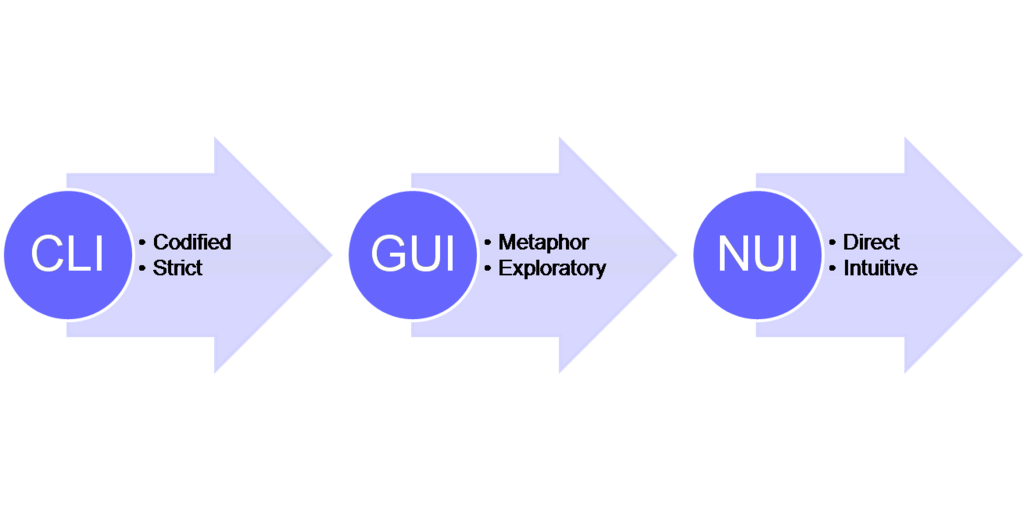
This shift marked the beginning of modern UX design, where the focus moved from what a machine could do to what a human wanted to accomplish with it.
Core Principles of Good UX
While UX is a broad field, a few key principles guide the creation of great digital products. These aren't strict rules but rather foundational ideas that help designers stay focused on the user.
User-Centered: The most important principle. It means that every design decision is made with the user's needs, goals, and limitations in mind. Designers ask, "Who are we designing for?" and "What problem are we solving for them?"
Clarity and Simplicity: A good interface is easy to understand and navigate. It avoids jargon, clutter, and unnecessary steps. The user should never have to wonder what to do next. The goal is to make the experience feel effortless.
Consistency: Elements should look and behave in predictable ways. A button that saves your work in one part of an application should look and act the same in another part. This consistency helps users learn the interface quickly and feel confident using it.
Feedback: The system should always let the user know what's happening. Did your form submit correctly? Is the file uploading? Simple visual cues, like a progress bar or a confirmation message, provide reassurance and prevent confusion.
The Impact on Digital Products
The impact of good UX design is everywhere. It’s in the banking app that makes sending money take just a few taps. It's in the streaming service that helps you find a new show based on what you already love. Good UX removes friction and makes complex tasks feel simple.
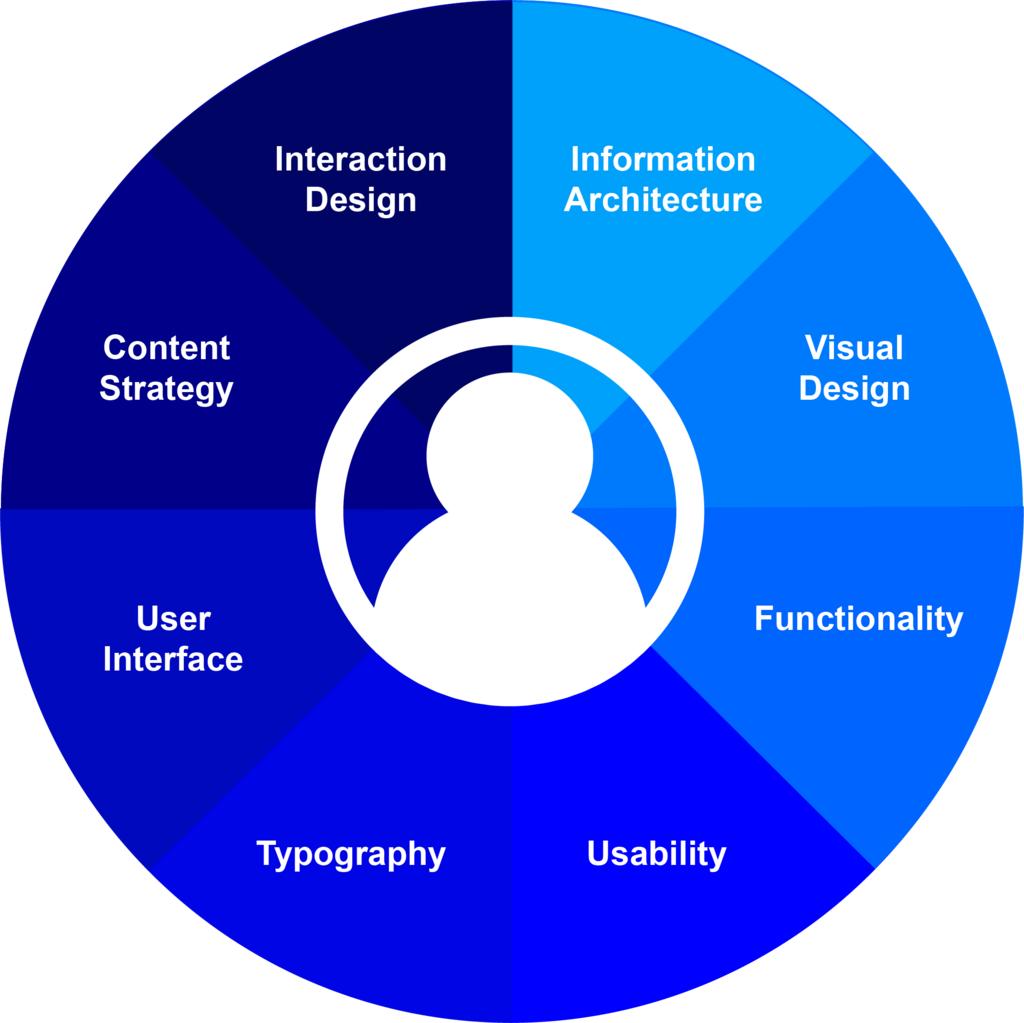
Conversely, the cost of poor UX is high. It leads to user abandonment, negative reviews, and failed products. If people can't figure out how to use your product, they won't. They'll simply find a competitor whose product is easier to use.
Ultimately, UX design is about empathy. It's about understanding people and using that understanding to create technology that genuinely helps them. It is the invisible force that transforms a functional tool into a delightful experience.
Let's review these foundational concepts.
Ready to check your understanding?
What is the primary goal of User Experience (UX) design?
The term "user experience" was coined in the 1990s by Don Norman while he was working at which company?
By focusing on the user, their goals, and their feelings, UX design builds the bridge between human needs and technological possibilities.