Introduction to UX Design
Introduction to UX Design
What Is UX Design?
Think about the last app you deleted from your phone. Why did you get rid of it? Maybe it was confusing, slow, or just plain frustrating to use. Now think about your favorite app. It probably works so smoothly you don't even notice the design. It just works.
That's the core of User Experience (UX) design. It’s the process of making technology, like websites and apps, easy, logical, and enjoyable to use. It's not just about how a product looks, but how it feels to interact with it.
User Experience (UX)
noun
The overall experience a person has when using a product or service, especially in terms of how easy or pleasing it is to use.
Good UX is invisible. It guides you effortlessly toward your goal, whether that's ordering food, booking a flight, or messaging a friend. Bad UX, on the other hand, creates friction. It makes simple tasks difficult and can make users abandon a product altogether.
Ultimately, good UX builds trust and satisfaction, which is crucial for any digital product's success. It’s the difference between a tool that helps you and one that gets in your way.
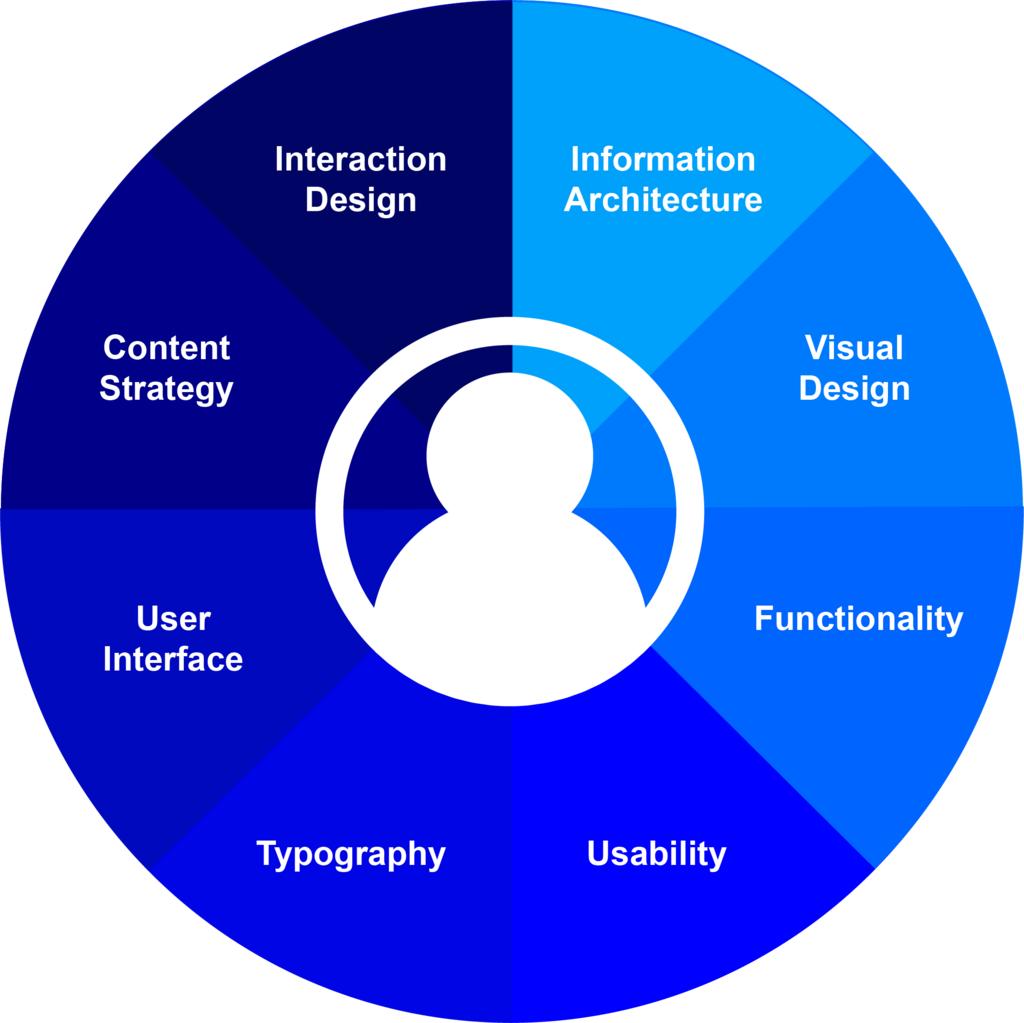
The Human in the Machine
UX design didn't appear out of thin air. It has deep roots in a field called Human-Computer Interaction (HCI). HCI is the study of how people design, implement, and use interactive computer systems. It's a blend of computer science, psychology, and design that asks a fundamental question: How can we make technology work better for people?
HCI gives us a few core principles that guide good UX. One is feedback. When you tap a button, it should visually react, confirming the action. Another is consistency. A trash can icon should always mean "delete," no matter where you see it in an app. Finally, there's affordance, which means an object’s appearance should suggest its function. A button should look pressable, and a slider should look draggable.
The goal is to design technology that adapts to the user, not the other way around.
Putting the User First
The single most important concept in UX is user-centered design (UCD). It's a design philosophy that places the user at the heart of the entire process. Instead of designers building what they think users want, they actively work to understand the users' needs, goals, and frustrations from the very beginning.
This approach helps create products that are not just functional but also highly usable. Usability is a measure of how easily a person can use a product to achieve a specific goal. Is the navigation clear? Is the text readable? Can you complete your task without getting stuck? These are all questions of usability.
User-centered design (UCD) is a modern, widely practiced design philosophy rooted in the idea that users must take center-stage in the design of any computer system.
So, what does a UX designer actually do? Their role is incredibly varied. A UX designer is part researcher, part strategist, and part problem-solver. They conduct interviews to understand user behaviors, create user personas to represent their target audience, and map out user journeys to identify potential pain points.
They also create wireframes and prototypes, which are early sketches and interactive models of the product. This allows them to test ideas and gather feedback long before any code is written. A UX designer's main job is to be the advocate for the user, ensuring the final product solves a real problem in a simple and elegant way.
| Key Responsibility | Description |
|---|---|
| User Research | Understanding user behaviors, needs, and motivations. |
| Information Architecture | Organizing content in a logical and intuitive way. |
| Wireframing | Creating basic layouts and structural guidelines. |
| Prototyping | Building interactive models for testing. |
| Usability Testing | Observing users to see where they struggle. |
By focusing on these areas, a UX designer bridges the gap between what a product can do and what a user needs to do. It’s a crucial role that transforms complex systems into straightforward, enjoyable experiences.