Introduction to UX Design
Introduction to UX Design
What is User Experience Design?
User Experience (UX) design is the process of making technology, like websites and apps, easy, logical, and enjoyable to use. It's all about the overall feeling a person has when they interact with a product.
Think of the last time you used an app that was confusing or frustrating. That was a bad user experience. Now think of an app you love because it just works exactly how you expect it to. That's a great user experience.
The goal of a UX designer is to create a seamless experience that meets the user's needs. They focus on the entire journey, from the first moment someone hears about a product to the last interaction they have with it. It’s not just about looks; it's about function, usability, and how it makes people feel.
User-centric design (UCD) puts the needs, desires, and limitations of the user at the forefront of the design process.
Why UX Matters
Good UX design is crucial because it directly impacts how people perceive a product or a brand. If a website is difficult to navigate, users will leave and likely won't come back. If a mobile app is intuitive and helpful, users will stick around and recommend it to others.
For a business, this translates directly to success. A positive user experience can lead to higher customer satisfaction, increased loyalty, and better engagement. It's the difference between a product people tolerate and a product people love. Designers map out every step of a user's journey to identify potential frustrations and opportunities to create a better, more positive emotional experience.
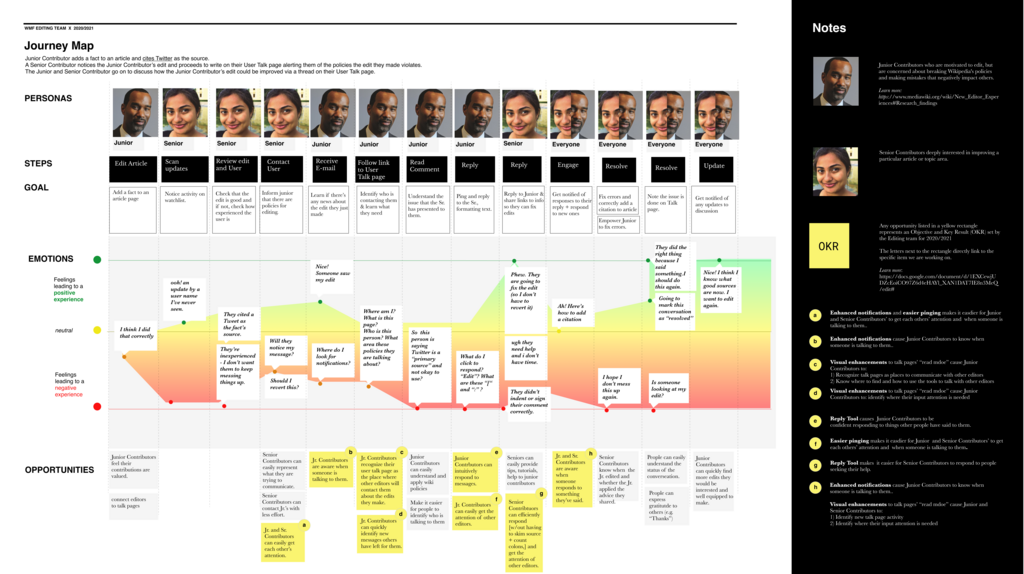
Ultimately, investing in UX means investing in your users. When you prioritize their needs, you build a product that is not only functional but also valuable and meaningful to them.
Key Components of UX Design
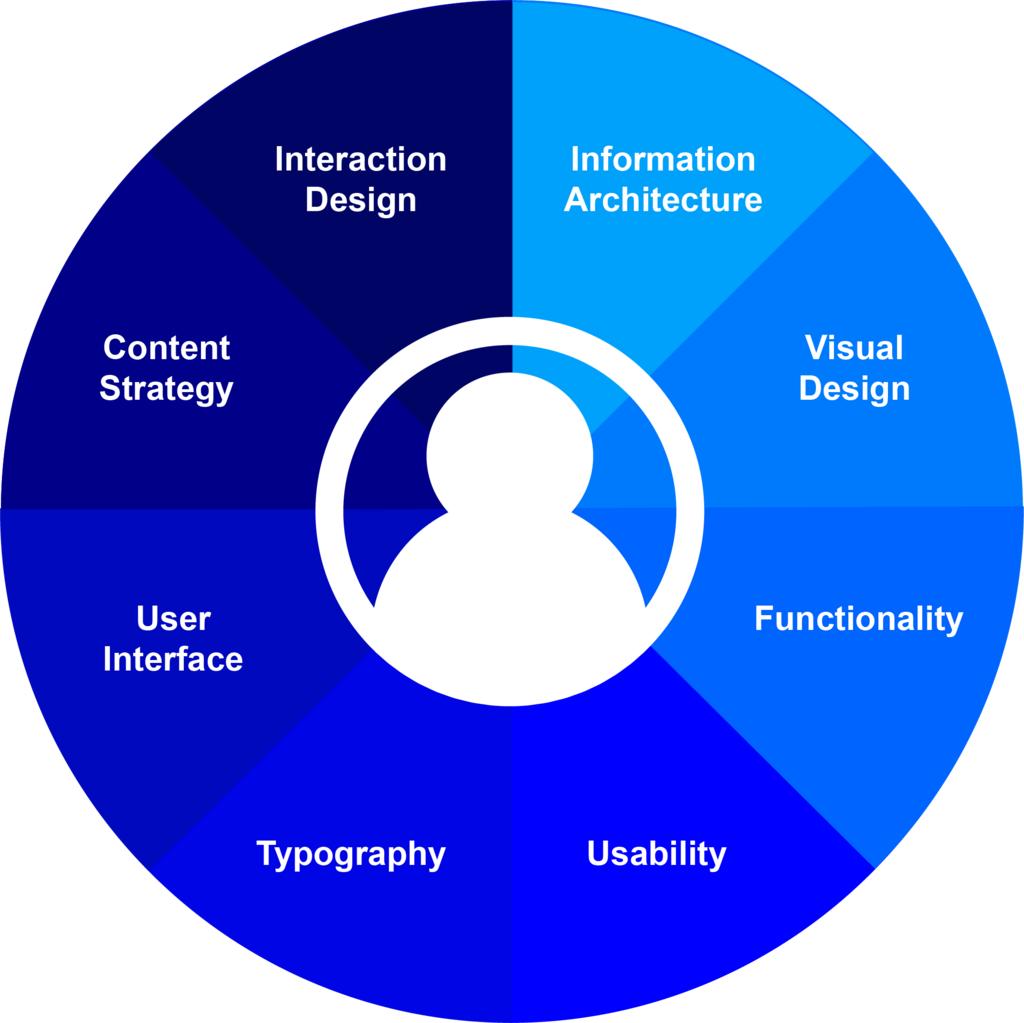
User experience is a broad field with many facets. While there are many components, a few are fundamental to creating a quality experience.
- Usability: Can people use the product easily and efficiently to achieve their goals? A usable product is intuitive and straightforward.
- Accessibility: Can people with disabilities use the product? This means designing for everyone, including those with visual, auditory, or motor impairments.
- Interaction Design: This is about how users interact with the system. It includes elements like buttons, page transitions, and animations, ensuring the dialogue between the user and the product is smooth.
- Information Architecture: How is information organized and structured? Good information architecture helps users find what they're looking for without getting lost.
UX vs. UI Design
A common point of confusion is the difference between User Experience (UX) and User Interface (UI) design. While they are closely related and often work together, they are not the same thing.
UX design is about the overall feel of the experience. It's the underlying structure and logic that makes a product easy to use. It focuses on the user's journey, solving their problems, and creating a logical flow.
UI design is about the product's visual and interactive elements. It's the look and feel, the presentation, and the interactivity. UI designers work on things like colors, typography, buttons, and icons.
A simple analogy is building a house. UX is the architectural blueprint: the foundation, the number of rooms, and how they connect. UI is the interior design: the paint colors, the furniture, and the light fixtures.
Both are essential for a successful product. A beautiful app (good UI) that is confusing to use (bad UX) will fail. Similarly, a highly usable app (good UX) that looks dated and unappealing (bad UI) might struggle to attract users. The best products have both working in harmony.
Ready to test your knowledge? Let's see what you've learned about the fundamentals of UX design.
What is the primary goal of User Experience (UX) design?
Which of the following tasks would a User Interface (UI) designer be responsible for, as opposed to a UX designer?
Understanding these core concepts is the first step in appreciating how thoughtful design shapes our daily interactions with technology.