Introduction to UX Design
Introduction to UX Design
What Is User Experience?
User experience, or UX, is about how a person feels when using any product or service. It’s not just about making something look pretty. It’s about making it work well, feel intuitive, and solve a real problem for the user.
User experience (UX) encompasses every interaction a user has with your digital product—from the first click to the final transaction.
Think of a well-designed physical object, like a comfortable chair or a simple-to-use can opener. The creators thought about you, the user. They considered how you would interact with it and what would make that interaction seamless and pleasant. UX design applies that same thinking to digital products like websites and apps.
The goal is to create an experience that is not just functional but also enjoyable. A good UX helps users accomplish their tasks without frustration. It guides them, anticipates their needs, and makes them feel in control.
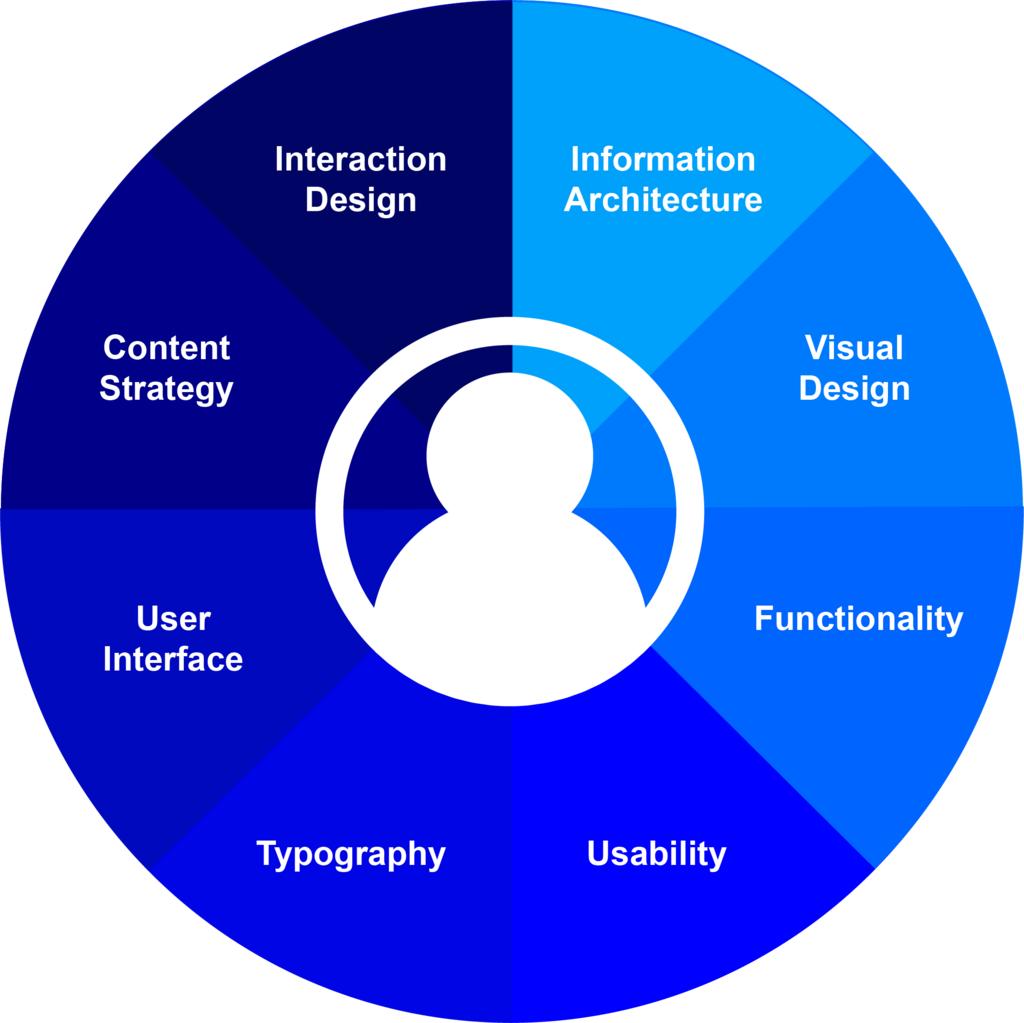
When UX is done well, you might not even notice it. Things just work the way you expect. But when it's done poorly, you feel it immediately. A confusing website, a clunky app, or a hard-to-find button are all signs of a bad user experience.
A Quick Trip Through Time
The principles behind UX have been around for a long time, even before computers. In the early 20th century, fields like industrial design and ergonomics focused on making tools and factory machines safer and more efficient for workers.
The term "user experience" itself was coined in the early 1990s by Don Norman, a cognitive scientist who joined Apple. He wanted a term that would cover all aspects of a person's interaction with a system, including the industrial design, the interface, the physical interaction, and the manual. For Norman, the user's total experience was what mattered.

With the rise of personal computers and the internet, the focus shifted to digital interfaces. Early software was often complex and difficult to learn, accessible only to experts. But as technology became a part of everyday life, the need for intuitive, user-friendly design became critical. Companies began to realize that a positive user experience was a key differentiator in a crowded market.
Guiding Principles
Effective UX design is guided by a few core principles. While there are many frameworks and lists, most revolve around a deep understanding of the user.
This leads to the first and most important principle: Focus on the user. Everything in the design process should start with understanding who the users are, what they need, and what their context is. Designers use research, interviews, and observation to build empathy and see the world from the user's perspective.
| Principle | Description |
|---|---|
| Clarity | The interface should be clear and easy to understand. Users shouldn't have to guess what to do next. |
| Consistency | Similar elements should look and behave in similar ways throughout the product. This makes the experience predictable. |
| Hierarchy | The most important elements should be the most prominent. Visual design helps guide the user's attention. |
| Feedback | The system should inform the user about what is happening. A button press should show a visual change, and an error should be clearly explained. |
| Accessibility | The product must be usable by people with a wide range of abilities, including those with disabilities. |
These principles aren't just a checklist. They are a mindset that helps designers create products that are not only usable but also valuable and meaningful to the people who interact with them.
What is the primary goal of User Experience (UX) design?
Who coined the term "user experience" while working at Apple in the early 1990s?
By keeping the user at the center of the design process, UX professionals help bridge the gap between technology's power and people's needs.