Introduction to User Interface Design
Introduction to UI Design
What Is a User Interface?
Think about the last app you used. Maybe you ordered food, checked the weather, or sent a message. Everything you tapped, swiped, and looked at—the buttons, the text, the images, the sliders—is part of the user interface, or UI.
Simply put, the UI is the space where a person and a machine interact. It's the visual part of any digital product. For a car, the UI is the dashboard: the speedometer, the gas gauge, the steering wheel, and the radio controls. In software, it's the screen you see and the tools you use to get things done.
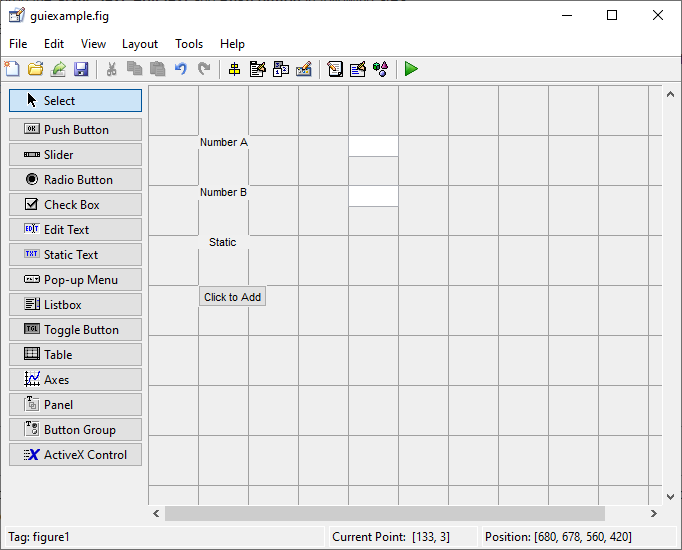
The goal of UI design is to make that interaction as simple and efficient as possible. A good UI is intuitive. You don't need a manual to figure out how to use it. It guides you naturally from one step to the next, whether you're logging in, uploading a photo, or making a purchase.
Good UI design makes technology feel effortless, almost invisible. Bad UI design makes even simple tasks frustrating.
UI vs. UX
People often use the terms UI and User Experience (UX) interchangeably, but they're two different things. They are closely related, but they focus on different aspects of the product.
If a product is a house, UX design is the overall blueprint. It's about how the rooms flow into each other, whether the kitchen is easy to work in, and if the house meets the family's needs. UX is about the entire experience—how you feel using the product.
UI design, on the other hand, is the interior design. It's the color of the walls, the style of the doorknobs, the placement of the light switches, and the type of flooring. UI is about the look and feel—what you see, hear, and touch.
Here's a breakdown:
- UX Design (User Experience) is the process of making a product useful, usable, and enjoyable. It's about solving the user's problem.
- UI Design (User Interface) is the process of making the interface beautiful, visually stimulating, and easy to interact with. It's about the product's presentation and interactivity.
You can't have good UX without a good UI, and a beautiful UI is useless if the UX is confusing. They work together to create a product that people love to use.
Why Good UI Matters
A great user interface is critical for any digital product. It's often the first thing a user notices, and it shapes their entire perception. A clunky, confusing, or ugly interface can drive users away, even if the technology behind it is brilliant.
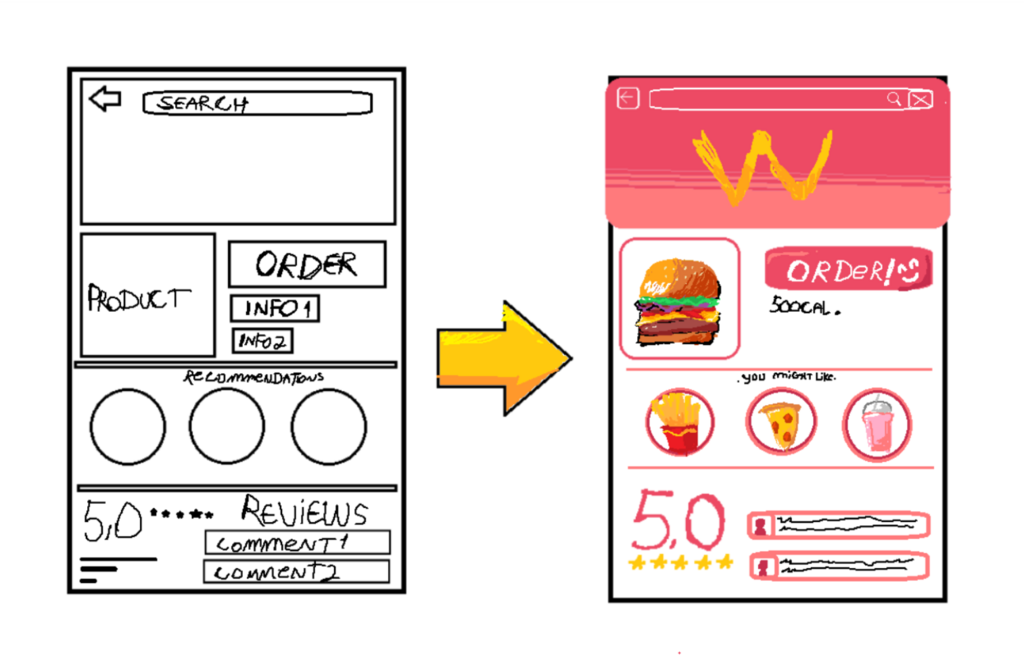
Good UI design directly impacts user satisfaction. When an app is easy to navigate and pleasant to look at, people enjoy using it. They feel competent and in control. This positive feeling builds trust and loyalty, encouraging them to return.
It also enhances usability. A clear layout, consistent design patterns, and readable text reduce the mental effort required to complete a task. Users can achieve their goals faster and with fewer errors. This efficiency is not just a nice-to-have; it's a key factor in a product's success.
One of the key objectives of a user interface with the aim of providing a good experience is to make the lives of users easy, less frustrating, and simple.
Ultimately, a well-designed UI can be a major competitive advantage. In a crowded marketplace, the product that is easiest and most delightful to use is often the one that wins.
Now, let's test your understanding of these core concepts.
What is the primary goal of User Interface (UI) design?
User Experience (UX) is concerned with the overall feeling a user has, while User Interface (UI) is concerned with the ______.