Introduction to User Experience Design
Introduction to UX Design
What is UX Design?
User Experience (UX) design is the process of creating products that provide meaningful and relevant experiences to users. This involves the design of the entire process of acquiring and integrating the product, including aspects of branding, design, usability, and function.
Think about the last time you used a new app. Did you immediately know how to find what you were looking for? Was it a pleasant experience, or a frustrating one? That feeling, whether of ease or annoyance, is the user experience. UX isn't just about making things look good. It's about how they work, how they feel, and how well they meet a person's needs.
UX Design is a process that aims to create products that facilitate meaningful and constructive interactions between users and their environment.
A product with good UX is intuitive and easy to use. It anticipates what you want to do and helps you achieve it without friction. A product with poor UX, on the other hand, can be confusing, inefficient, and leave you feeling frustrated. The goal of a UX designer is to make every interaction as simple and efficient as possible.
A Quick Look Back
While the term "UX design" is relatively new, the principles behind it are not. The concept has roots in fields like ergonomics and human factors, which focused on designing tools and systems for human use, long before computers were common.
The term itself was coined by Don Norman in the early 1990s while he was working at Apple. He wanted a term that encompassed all aspects of a person's experience with a system, including the industrial design, the interface, the physical interaction, and the manual.
Technology has evolved dramatically, and so has our interaction with it. Early computers required users to type specific commands. The shift to Graphical User Interfaces (GUIs) introduced visual elements like icons and windows, making computers far more accessible to the average person.
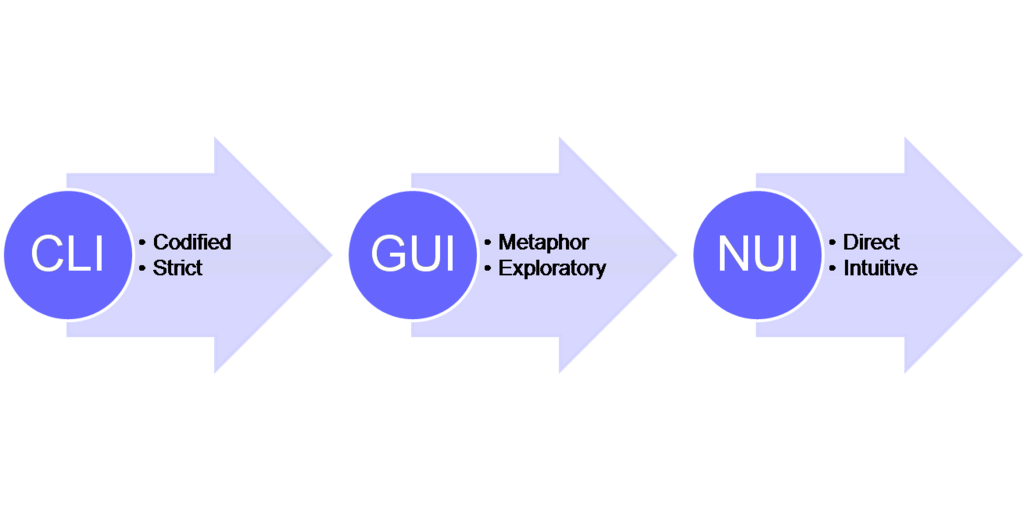
Today, we interact with technology through touch, voice, and even gestures. This constant evolution is driven by the core goal of UX: to make technology more human-centered and intuitive.
Core Principles of UX
Effective UX design isn't random; it's guided by a set of core principles. These principles help designers create experiences that are not only functional but also enjoyable and accessible for users.
Let's break these down:
- User-Centered: This is the foundation of everything. It means designing with a deep understanding of the users, including their goals, needs, and limitations. It puts the user first in every stage of the design process.
- Usability: Can users achieve their goals effectively and efficiently? A usable product is easy to learn and straightforward to navigate. There's no guesswork involved.
- Accessibility: Is the product usable by people with a wide range of abilities and disabilities? This means designing for everyone, considering things like screen readers for visually impaired users or clear color contrast.
- Desirability: Beyond just being functional, does the user want to use the product? This involves the aesthetic appeal and the overall positive feeling the product evokes through its branding and design.
Why UX Matters
Good UX design is more than just a nice-to-have feature. It's a crucial part of a product's success. For businesses, a positive user experience leads to increased customer loyalty, better brand reputation, and higher conversion rates. When a product is easy and pleasant to use, customers are more likely to stick around and recommend it to others.
For users, good UX simply makes life easier. It removes unnecessary complexity from technology, allowing people to accomplish tasks and access information without frustration. In a world full of digital products, a great user experience is what makes one stand out from the rest.
The best UX design is often invisible. You don't notice it because it just works, seamlessly guiding you toward your goal.
Understanding these foundational concepts is the first step in appreciating how thoughtful design shapes our daily interactions with technology.
What is the primary goal of UX design?
The UX principle of _____ ensures that a product is easy to learn and that users can achieve their goals effectively and efficiently.