Introduction to TypeScript
Introduction to TypeScript
What Is TypeScript?
Think of TypeScript as JavaScript, but with a helpful guide. It’s a programming language built by Microsoft that extends JavaScript by adding static types. All valid JavaScript code is also valid TypeScript code, which makes it easy to adopt.
TypeScript is a superset of JavaScript that adds static typing, classes, interfaces, and other features to the language.
So what's the big deal with 'static types'? In regular JavaScript, you can create a variable to hold a number, and later assign a string to it without any issue until you try to run the code. This can lead to unexpected bugs.
TypeScript helps you catch these kinds of errors before you run the code, right in your editor. By allowing you to define what type of data a variable should hold (like a number, a string, or something more complex), TypeScript acts as a safety net. This makes your code more predictable, easier to read, and simpler to manage, especially as projects grow larger and more complex.
The main job of TypeScript is static checking. It catches errors while you're typing, before your code even runs.
Setting Up Your Environment
Getting started with TypeScript is straightforward. The first thing you'll need is Node.js and its package manager, npm. If you've done any modern JavaScript development, you likely already have these installed on your machine. They provide the foundation for running and managing JavaScript-based tools, including the TypeScript compiler.
With npm ready, you can install TypeScript with a single command in your terminal. We'll install it globally, which means you can use it from any directory on your computer.
npm install -g typescript
This command downloads and installs the TypeScript package. The -g flag is what makes it a global installation. Once it's finished, you'll have access to the TypeScript compiler, tsc, directly from your command line. You can verify the installation by checking its version:
tsc -v
Configuring Your Project
Every TypeScript project needs a configuration file, tsconfig.json. This file sits in the root of your project and tells the compiler exactly how to translate your TypeScript files (.ts) into plain JavaScript files (.js) that browsers and Node.js can understand. It also lets you enable or disable various type-checking rules.
Creating this file is easy. Just navigate to your project's folder in the terminal and run:
tsc --init
This command generates a tsconfig.json file with a lot of commented-out options and sensible defaults. For now, you don't need to change anything. The default configuration is a great starting point for most projects. As you get more comfortable with TypeScript, you can explore these options to fine-tune the compiler's behavior.
Integration with Editors
One of the biggest advantages of TypeScript is its amazing support in code editors. Modern editors like Visual Studio Code (which is also made by Microsoft) have outstanding, built-in support for TypeScript. You don't need to install any extra extensions to get started.
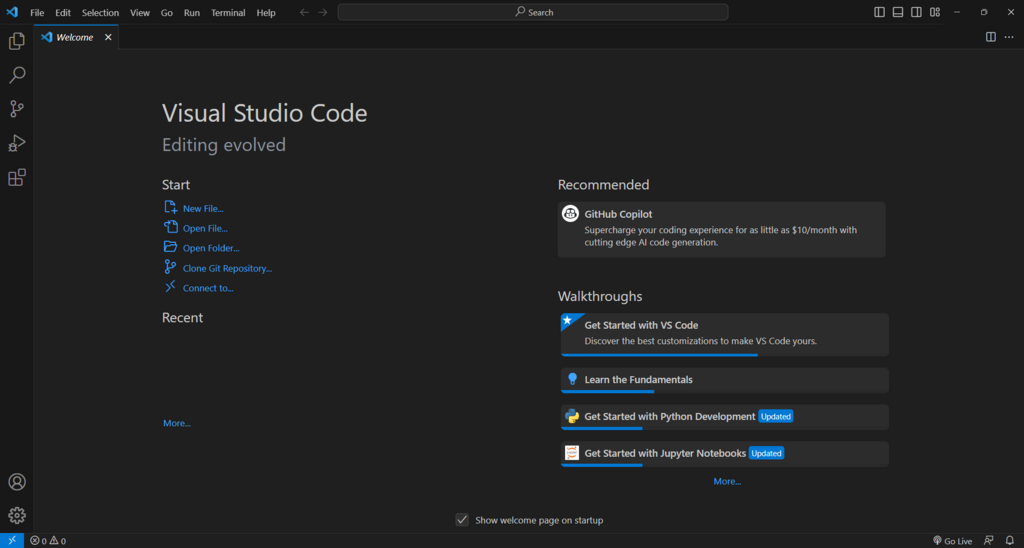
As you write code, the editor will use the TypeScript compiler and your tsconfig.json file to provide real-time feedback. It will underline potential errors, offer intelligent code completion (autocompletion), and make refactoring your code safer and easier.
Other popular editors like WebStorm, Sublime Text, and Atom also have excellent TypeScript support, either built-in or available through well-maintained plugins. This tight integration is what makes developing with TypeScript feel so productive.
You're now set up and ready to start writing TypeScript. The next step is to learn the basic syntax and start applying types to your code.