Introduction to Trading
Introduction to Financial Markets
What Are Financial Markets?
Think of a financial market as a giant, global marketplace. But instead of selling fruits and vegetables, people and companies buy and sell things like stocks, bonds, and currencies. The fundamental purpose of these markets is to connect those who have extra money (savers and investors) with those who need it (like businesses starting a project or governments funding new infrastructure).
This connection is vital for a healthy economy. It allows money to flow to where it can be most productive, helping businesses grow, creating jobs, and allowing individuals to build wealth for the future. Without financial markets, companies would struggle to raise the capital needed to expand, and savers would have fewer options to make their money grow.
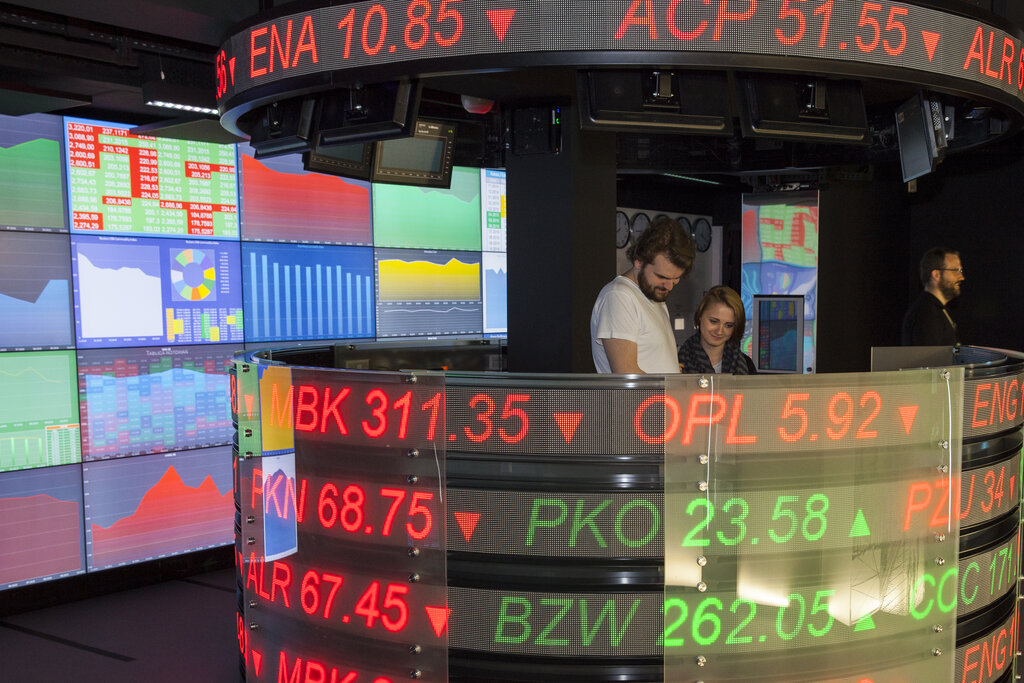
The Market's Main Jobs
Financial markets aren't just for moving money around. They perform a couple of critical functions that make the whole system work smoothly. The two most important are price discovery and providing liquidity.
Essentially, the market helps us figure out what an asset is worth and makes it easy to trade that asset.
Price Discovery
noun
The process of determining the price of an asset through the interaction of buyers and sellers. When buyers and sellers agree on a price, a transaction occurs, and that price becomes the current market value.
Liquidity
noun
The ease with which an asset can be converted into cash without affecting its market price. A market with high liquidity has many buyers and sellers, making transactions quick and easy.
Different Kinds of Markets
Financial markets aren't a single entity. They're a collection of different markets, each specializing in a particular type of asset. The three main types you'll encounter are stock, bond, and commodity markets.
The stock market is where you trade ownership. When you buy a stock (also called a share or equity), you are buying a small piece of a public company, like Apple or Ford. If the company does well, the value of your share may increase. If it does poorly, the value may fall.
The bond market is where you trade debt. When you buy a bond, you are essentially lending money to an entity, which could be a corporation or a government. In return for the loan, the issuer promises to pay you periodic interest and return the original amount at a future date.
The commodity market is where you trade raw materials. This includes everything from agricultural products like wheat and coffee, to energy sources like oil and natural gas, to precious metals like gold and silver.
Who Participates?
Financial markets are a diverse ecosystem with many different players. Broadly, we can group them into individuals and institutions.
Individual investors and traders, often called retail investors, are people like you and me who buy and sell assets for their personal accounts. They might be saving for retirement, a down payment on a house, or simply trying to grow their wealth.
Institutions are the big players. These are organizations that manage large sums of money on behalf of others. Examples include:
- Banks: They not only provide loans but also trade in financial markets.
- Mutual Funds and ETFs: These pool money from many individual investors to buy a diversified portfolio of stocks, bonds, or other assets.
- Pension Funds: They invest money on behalf of employees to provide retirement income.
- Insurance Companies: They invest the premiums they collect to ensure they can pay out future claims.
These institutions trade in much larger volumes than individuals, which means their actions can have a significant impact on market prices and trends.
What is the primary role of financial markets in an economy?
A company can easily sell its shares to a wide range of buyers at a fair market price. This demonstrates which key function of financial markets?
Understanding these basic building blocks—the purpose, functions, types, and participants of financial markets—is the first step toward making sense of the financial world.