Introduction to Trading
Introduction to Financial Markets
What Are Financial Markets?
Think of a bustling farmers' market. Growers sell produce to shoppers who want fresh food. Financial markets are similar, but instead of apples and carrots, people trade things like stocks, bonds, and commodities. These are called financial assets.
A financial market is any marketplace where buyers and sellers can trade these assets. They serve two crucial purposes. First, they help companies and governments raise money. A company might sell shares of ownership to fund a new factory, or a government might sell bonds to build a new bridge. Second, they allow individuals and institutions to invest their savings, giving them a chance to grow their wealth over time.
In short, financial markets connect those who have extra money (savers and investors) with those who need it (companies and governments).
The Main Market Types
While there are many kinds of financial markets, most activity happens in three main areas: the stock market, the bond market, and the commodity market. Each trades a different type of asset.
stock
noun
A security that represents a share of ownership in a corporation.
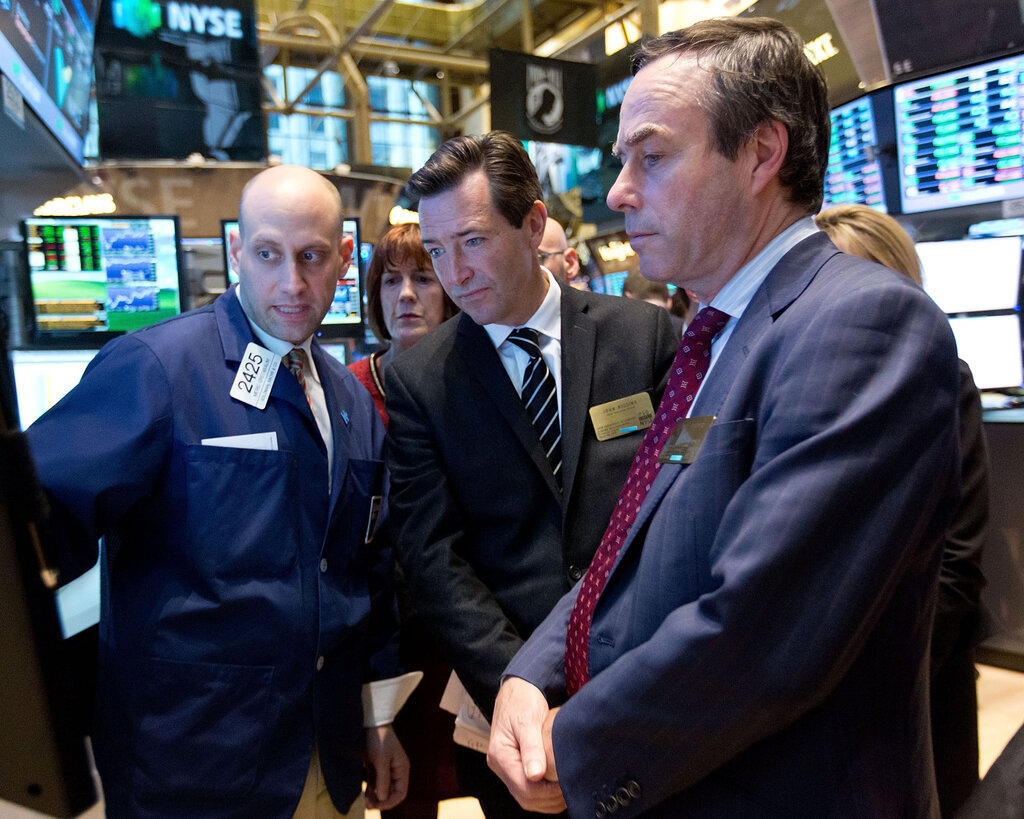
The stock market is where shares of publicly traded companies are bought and sold. When you buy a stock, you're purchasing a small piece of that company. If the company does well, the value of your piece can go up. If it does poorly, the value can go down. Famous examples include the New York Stock Exchange (NYSE) and the Nasdaq.
Next is the bond market. When you buy a bond, you're essentially lending money to an entity, which could be a corporation or a government. In return for the loan, the issuer promises to pay you interest over a set period and return your original investment at the end. Bonds are generally considered less risky than stocks.
Finally, the commodity market deals in raw materials. This includes everything from oil and natural gas to agricultural products like wheat and coffee, and metals like gold and silver. These markets are crucial for businesses that need these raw materials to produce their goods.
| Market Type | What's Traded | Primary Goal for Buyer |
|---|---|---|
| Stock Market | Shares of company ownership | Growth and dividends |
| Bond Market | Loans to companies/governments | Fixed income and lower risk |
| Commodity Market | Raw materials and physical goods | Hedging or speculation |
Who's in the Market?
The markets are filled with different participants, each with their own goals.
Investors typically buy assets with the goal of holding them for a long time, often years or decades. They might be saving for retirement or another long-term goal. Their strategy is often called "buy and hold."
Traders, on the other hand, buy and sell much more frequently. They aim to profit from short-term price fluctuations, sometimes holding an asset for only a few minutes or hours.
Financial Institutions are the big players. This group includes commercial banks, investment banks, pension funds, insurance companies, and hedge funds. They manage huge sums of money on behalf of their clients or themselves, and their actions can move entire markets.
What Do Markets Actually Do?
Beyond connecting buyers and sellers, financial markets perform two vital functions: price discovery and providing liquidity.
liquidity
noun
The degree to which an asset can be quickly bought or sold in the market at a price reflecting its intrinsic value.
Price discovery is the process of determining an asset's market price. It's a constant negotiation. If more people want to buy a stock than sell it, the price will go up. If more want to sell than buy, the price will fall. This collective judgment of millions of participants determines what an asset is worth at any given moment.
Providing liquidity means making it easy to buy and sell assets without causing a drastic change in their price. A liquid market has many buyers and sellers ready to trade. This is important because it gives investors confidence that they can sell their assets and get cash when they need it.
Without liquidity, you might own a valuable asset but be unable to sell it. Markets ensure there's usually someone on the other side of the trade.
Now that you have a grasp of the basic landscape, you can start to see how these pieces fit together to form the global economy. This foundation is key to understanding how trading works.
What are the two primary purposes of financial markets?
If you buy a bond from a corporation, you are essentially...