Introduction to Trading Essentials
Introduction to Trading
What Is Trading?
At its heart, trading is simply the act of buying and selling something with the goal of making a profit. Think about a local market. A vendor buys apples from a farm for a certain price and sells them to you for a slightly higher price. The difference is their profit. Financial trading applies this same idea to things like company shares, currencies, and raw materials.
At its core, trading involves buying and selling financial instruments like stocks, futures, or currencies with the goal of making a profit.
The purpose isn't just to buy low and sell high. Traders aim to capitalize on price fluctuations, whether the price is going up or down. If they believe an asset's price will fall, they can use specific strategies to profit from that decline.
A person who engages in this activity is called a trader. Traders can be individuals managing their own money, or they can work for large financial institutions like banks or hedge funds, managing billions of dollars. Their primary role is to analyze markets, predict price movements, and execute trades to generate returns.
The Tools of the Trade
Traders don't buy and sell physical items like apples. Instead, they deal in financial instruments, which are contracts representing a monetary value. There are thousands of different instruments, but they generally fall into a few key categories.
Stock
noun
A type of security that signifies ownership in a corporation and represents a claim on part of the corporation's assets and earnings.
When you buy a stock (also called a share or equity), you are buying a small piece of a public company. If the company does well and its value increases, the price of your stock may go up. Companies sell stock to raise money to grow their business.
Bond
noun
A fixed-income instrument that represents a loan made by an investor to a borrower, which could be a corporation or governmental body.
Buying a bond is like giving a loan. A government or a corporation borrows money from you, and in return, they promise to pay you back the full amount on a specific date, along with regular interest payments along the way. Bonds are generally considered less risky than stocks.
Commodity
noun
A basic good used in commerce that is interchangeable with other goods of the same type.
Commodities are the raw materials that fuel our economy. This includes things grown, like corn and coffee (soft commodities), and things extracted, like oil and gold (hard commodities). Traders speculate on the future prices of these goods based on supply, demand, and global events.
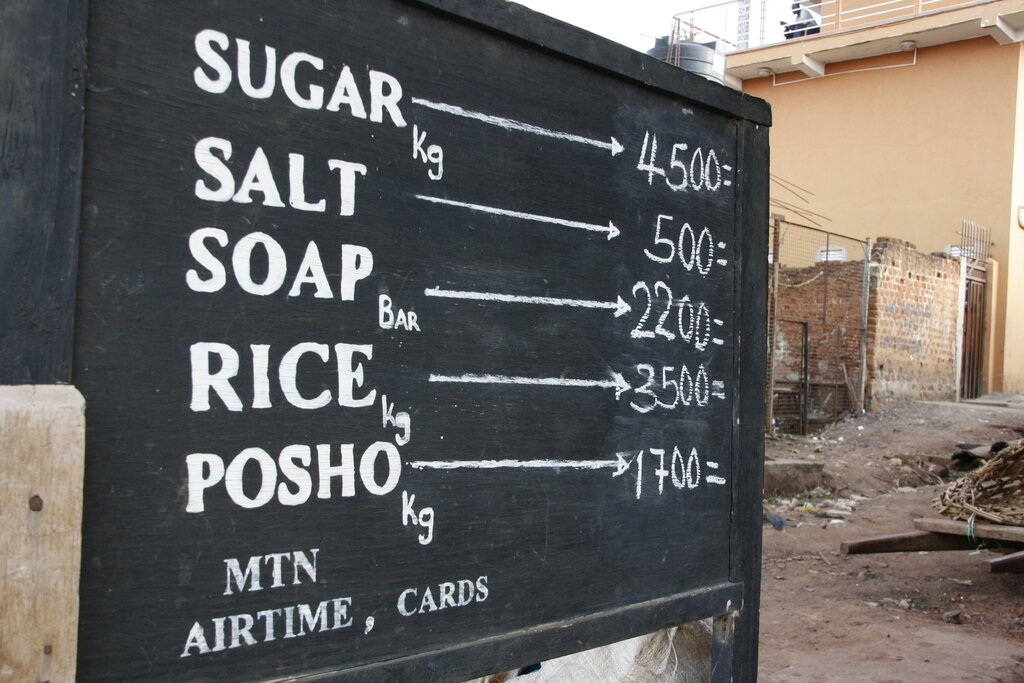
Finally, there are currencies. The foreign exchange market, or Forex, is where the world's currencies are traded. When you travel to another country and exchange your dollars for euros, you're participating in the Forex market. Traders profit from the constantly changing values of these currencies relative to one another.
| Instrument | What It Represents | Key Feature |
|---|---|---|
| Stocks | Ownership in a company | Potential for high growth |
| Bonds | A loan to a company or government | Fixed interest payments |
| Commodities | Raw materials or agricultural products | Price driven by supply and demand |
| Currencies | A country's money | Traded in pairs (e.g., USD/EUR) |
Why Trading Matters
Trading is more than just a way to make money. It plays a vital role in the global economy. The constant buying and selling in financial markets helps determine the fair price of assets. This process is called price discovery.
Furthermore, trading provides liquidity, which is the ease with which an asset can be bought or sold without affecting its price. A liquid market is an efficient market. It allows companies to easily raise capital by issuing stocks and bonds, and it enables individuals to invest their savings for the future. Without traders, the flow of money around the world would slow to a crawl, hindering economic growth and innovation.
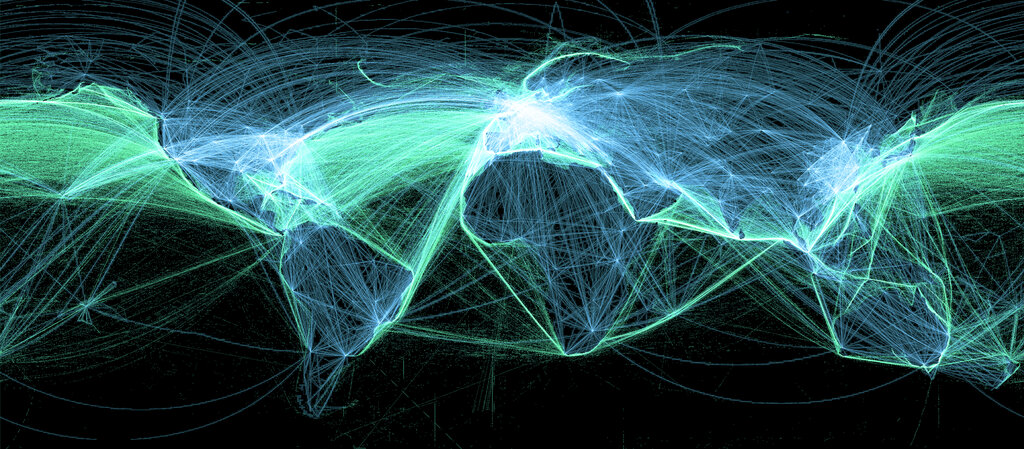
So, while individual traders focus on their own profits, their collective actions create a dynamic, efficient system that helps allocate resources, manage risk, and fuel the engines of the global economy.
What is the fundamental goal of trading financial instruments?
Buying a bond is most similar to...