Introduction to Trading Essentials
Introduction to Financial Markets
What Are Financial Markets?
Think of a bustling farmers' market. Growers bring their produce, and shoppers come to buy fresh goods. A financial market is similar, but instead of fruits and vegetables, people trade financial assets like stocks, bonds, and currencies.
At its core, a financial market is a system that allows buyers and sellers to trade these assets. Its main purpose is to channel money from those who have it (savers and investors) to those who need it (companies and governments). This process, called capital allocation, helps businesses grow, governments fund projects, and individuals build wealth.
Financial markets match people who have capital with people who need capital.
The Main Arenas
Financial markets aren't a single entity. They are a collection of different markets where specific types of assets are traded. The three main categories are equities, foreign exchange (forex), and commodities.
| Market Type | What's Traded | Simple Example |
|---|---|---|
| Equities | Shares of ownership in public companies (stocks) | Buying shares of Apple Inc. (AAPL) |
| Forex | National currencies | Exchanging U.S. Dollars (USD) for Euros (EUR) |
| Commodities | Raw materials or agricultural products | Trading barrels of crude oil or bushels of wheat |
The equities market, commonly known as the stock market, is where you can buy a small piece of a company. When you own a stock, you own a share of that company's assets and earnings.
The forex market is the world's largest financial market. It's where currencies are traded 24 hours a day, five days a week. This constant exchange is what determines the value of one currency relative to another.
Finally, the commodities market deals with raw goods. This includes everything from precious metals like gold and silver to energy sources like oil and natural gas, and even agricultural products like corn and coffee.
The Players and the Places
The markets are driven by a diverse cast of participants. You have individual investors and traders, often called retail participants, who buy and sell for their personal accounts. Their goals can vary, from long-term retirement savings to short-term profit seeking.
Then there are the giants: institutional participants. These are large organizations like banks, pension funds, insurance companies, and hedge funds that manage huge sums of money. They trade in much larger volumes than individuals and have a significant impact on market movements.
These participants meet in two main types of market structures: exchanges and over-the-counter (OTC) markets.
Exchange
noun
A centralized, regulated marketplace where financial assets are bought and sold. Prices are public and transactions are standardized.
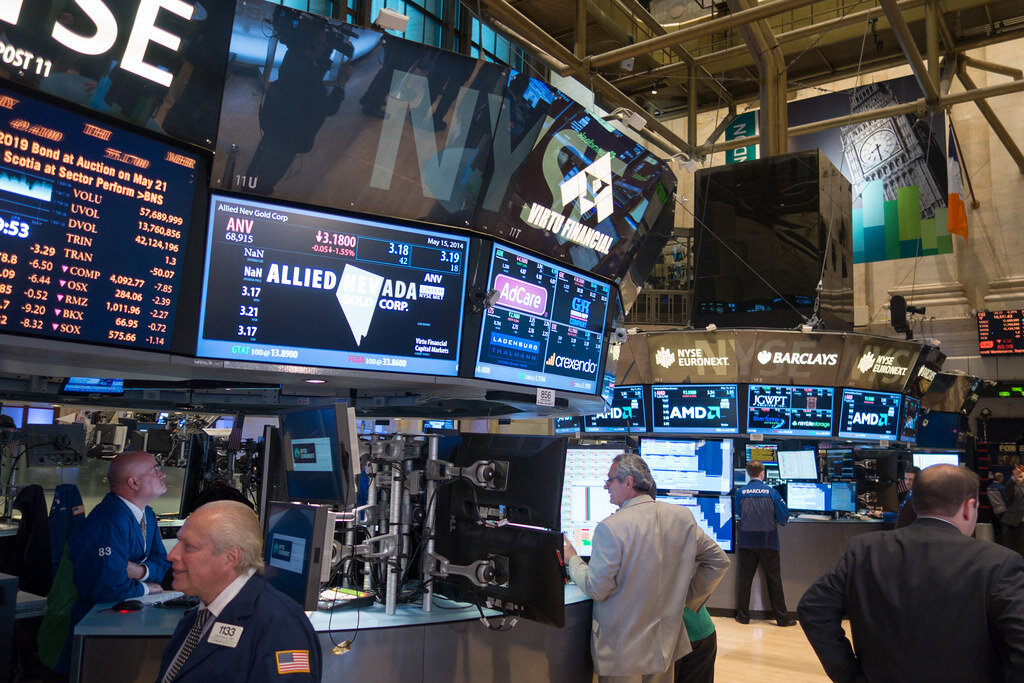
Exchanges, like the NYSE or Nasdaq, provide a physical or electronic location for trading. They are highly regulated to ensure fairness and transparency. All buyers and sellers can see the prices, and the exchange acts as an intermediary, guaranteeing that the trade is completed.
Over-the-counter (OTC) markets are different. Instead of a central location, trading occurs directly between two parties through a dealer network. The forex market is a prime example of an OTC market. These markets are generally less regulated and more flexible, allowing for customized deals, but they can also be less transparent.
Understanding these core elements, the assets, the players, and the arenas, is the first step in making sense of the financial world.
What is the primary function of a financial market?
Which market is the largest in the world and involves trading currencies?