Introduction to Trading
Introduction to Trading
What Is Trading?
At its heart, trading is simply the act of buying and selling. You do it all the time, maybe without thinking of it that way. When you swap a sandwich for a bag of chips, you're trading. In the financial world, it's the same core idea, but instead of snacks, people are exchanging assets like stocks, bonds, or currencies.
The goal is usually to buy an asset at a lower price and sell it at a higher one, profiting from the change in its value.
This focus on short-term price movements is what separates trading from investing. An investor might buy a stock and hold it for years, believing in the company's long-term growth. A trader, on the other hand, might buy and sell that same stock within a day, a week, or a month, aiming to capitalize on smaller, more frequent price shifts.
Trading
noun
The act of buying and selling financial instruments, such as stocks, bonds, currencies, or commodities, with the goal of making a profit from changes in their market price.
The Players in the Market
The people and organizations doing all this buying and selling are called traders. They come in two main varieties: individual and institutional.
Individual traders, often called retail traders, are people trading with their own money. Thanks to online platforms, this has become accessible to almost anyone.
Institutional traders work for large organizations like banks, hedge funds, pension funds, and insurance companies. They manage huge sums of money on behalf of their clients or the company itself. Their decisions can move markets because of the sheer volume of assets they buy and sell.
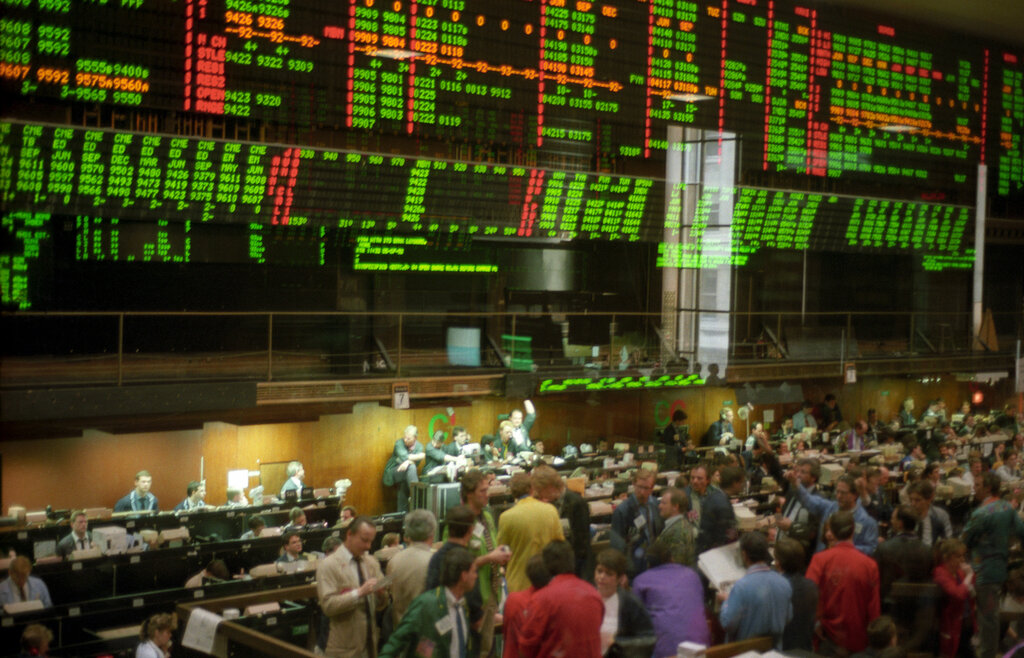
While both types of traders aim to make a profit, their scale and strategies can be vastly different. An individual might be focused on building a retirement nest egg, while an institution could be executing complex strategies involving billions of dollars.
Why Financial Markets Matter
Trading doesn't happen in a vacuum. It takes place in financial markets, which act as the global nerve center for the economy. Think of them as giant marketplaces where buyers and sellers of financial assets can find each other easily.
These markets serve a few crucial functions. First, they help with price discovery. The constant tug-of-war between buyers and sellers determines an asset's fair market price. If more people want to buy a stock than sell it, the price goes up. If more want to sell, it goes down. This collective judgment reflects all available information and expectations about that asset.
Second, markets provide liquidity. This means you can buy or sell an asset quickly without causing a major shift in its price. Without liquidity, you might be stuck holding a stock you want to sell, or unable to find a seller for a stock you want to buy. A liquid market is efficient and allows money to flow where it's needed most.
Liquidity
noun
The degree to which an asset can be quickly bought or sold in the market at a price reflecting its current value. Cash is the most liquid asset.
By facilitating this activity, financial markets help companies raise capital to grow and innovate, allow governments to fund projects, and give individuals a way to put their savings to work. They are the engine that helps power the global economy.
What is the primary difference between trading and investing?
The process by which the price of a stock is determined by the interaction of buyers and sellers is known as ______.
Understanding these basics sets the stage for everything else. You now know what trading is, who the key players are, and why the markets they operate in are so important.