Introduction to Trading
Introduction to Financial Markets
What Are Financial Markets?
Think of your local farmers' market. It’s a place where people who have things to sell (farmers with vegetables) meet people who want to buy them. Financial markets are similar, but instead of apples and carrots, people trade financial assets like stocks and bonds.
At their core, these markets connect those with extra money (investors) to those who need money (like companies or governments). A company might need cash to build a new factory, and a government might need to fund a new highway. They raise this money by issuing financial assets, which investors buy, hoping to earn a return.
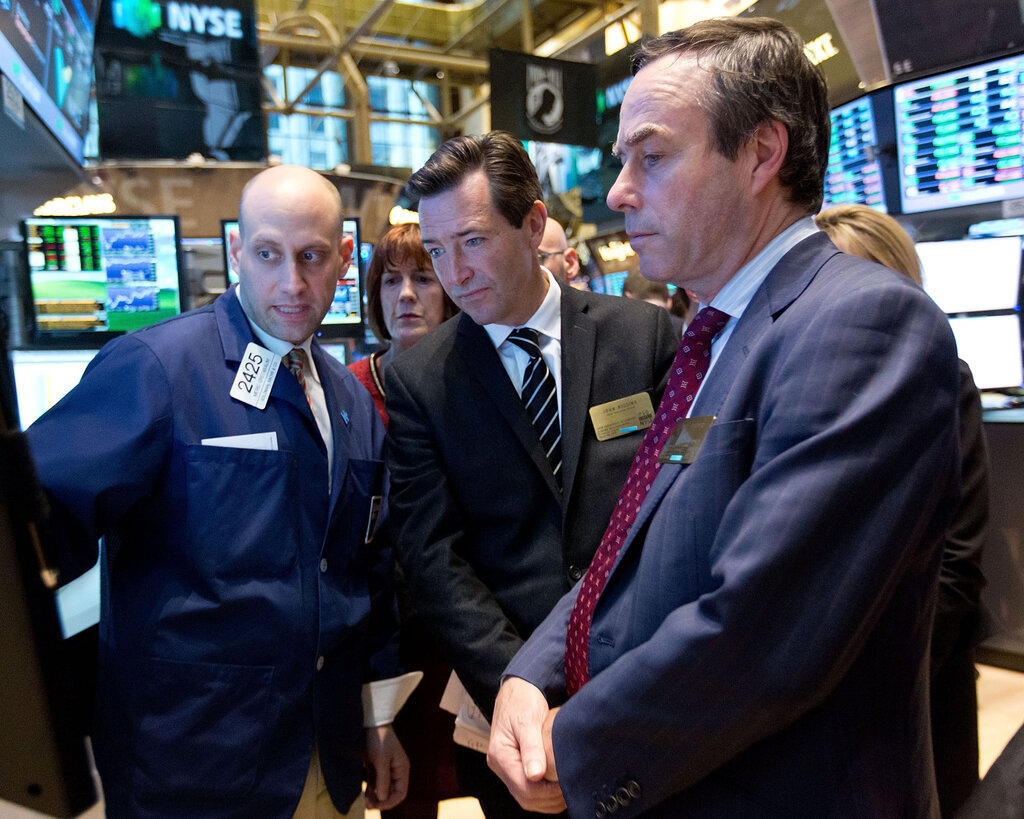
This exchange of capital is vital for economic growth. It allows companies to expand and innovate, governments to build infrastructure, and individuals to save for long-term goals like retirement.
The Building Blocks
Financial markets trade a huge variety of products, but most fall into a few major categories called asset classes. Let's look at the main ones.
stock
noun
A type of security that signifies ownership in a corporation and represents a claim on part of the corporation's assets and earnings.
When you buy a stock (also called a share or equity), you are buying a small piece of a company. If the company does well, the value of your piece can go up. Some companies also share their profits with stockholders through payments called dividends.
Bonds are essentially loans. When you buy a bond, you are lending money to an organization, like a corporation or a government. In return, they promise to pay you back the full amount on a specific date (the maturity date) and to make periodic interest payments along the way.
Foreign Exchange (Forex or FX) is the market for trading currencies. If you've ever traveled abroad and exchanged your home currency for the local one, you've participated in the forex market. It's the largest financial market in the world, where currencies like the US Dollar, Euro, and Japanese Yen are traded 24 hours a day.
Commodities are raw materials. This includes things that are mined, like gold and oil, and things that are grown, like wheat and coffee. These physical goods are standardized and can be bought and sold in the market, just like stocks or bonds.
Where Does Trading Happen?
Trades don't just happen in the ether. They take place in specific types of markets. The two main types are exchanges and over-the-counter (OTC) markets.
An exchange is a centralized, regulated marketplace where assets are bought and sold. Think of the New York Stock Exchange (NYSE) or Nasdaq. All buyers and sellers come to one place, and prices are public.
An over-the-counter (OTC) market, on the other hand, is decentralized. Instead of a central location, trading is done directly between two parties, often through a dealer network. The forex market is a prime example of an OTC market. There's no central exchange for currencies; instead, a global network of banks and brokers handles the trades.
| Feature | Exchanges | Over-the-Counter (OTC) |
|---|---|---|
| Structure | Centralized, physical or electronic location | Decentralized network of dealers |
| Regulation | Highly regulated | Less regulated |
| Transparency | Prices are public and transparent | Prices are negotiated between parties |
| Examples | NYSE, London Stock Exchange | Forex market, bond market |
Market Participants
Financial markets are a bustling ecosystem with many different players. Issuers are the companies and governments that create and sell securities to raise capital. Investors are the ones who buy these securities. They can be individuals like you and me (retail investors) or large organizations like pension funds and insurance companies (institutional investors).
In between are the intermediaries who help the market function smoothly. Brokers execute trades on behalf of investors. Dealers buy and sell securities for their own accounts, creating a market for others. Investment banks help companies issue new securities and advise on mergers. Finally, regulators, like the Securities and Exchange Commission (SEC) in the United States, set and enforce the rules to ensure the market is fair and transparent for everyone.
The final concept to understand is market liquidity. This refers to how easily an asset can be bought or sold without causing a significant change in its price. A market with many buyers and sellers, like the stock market for a large company, is considered very liquid. You can buy or sell shares almost instantly at a predictable price.
On the other hand, an asset like a rare piece of art or a unique property is illiquid. It might take a long time to find a buyer, and the final price could be very different from what you expected. High liquidity is generally desirable because it means investors can get their money out when they need it.