Introduction to TOGAF
Introduction to TOGAF and ADM
What is TOGAF?
Think of building a complex organization's IT systems without a plan. It would be chaotic, inefficient, and expensive. That's where TOGAF comes in. TOGAF, which stands for The Open Group Architecture Framework, provides a high-level approach for designing, planning, implementing, and governing an organization's enterprise architecture.
Essentially, TOGAF is like a master blueprint for a city. It doesn't dictate the exact design of every single building, but it provides the zoning laws, the road network plan, and the utility infrastructure guidelines to ensure everything works together cohesively as the city grows and changes.
Its main purpose is to align IT strategy with business goals. By using a standardized framework, organizations can manage complexity, reduce costs, and ensure that their technology investments are actually supporting their business objectives. It helps everyone involved—from executives to engineers—speak the same language and work toward a common vision.
The Building Blocks of TOGAF
TOGAF isn't just a single document; it's a comprehensive toolkit. It's made up of several key components that work together to guide the architecture process. While we won't dive deep into all of them, it's helpful to know what they are.
The most important of these components is the Architecture Development Method, or ADM. This is the engine of TOGAF.
The Architecture Development Method (ADM)
The ADM is the step-by-step process at the heart of TOGAF. It provides a structured, iterative approach for developing and managing the lifecycle of an enterprise architecture. Think of it as the recipe that uses the ingredients from the rest of the TOGAF framework.
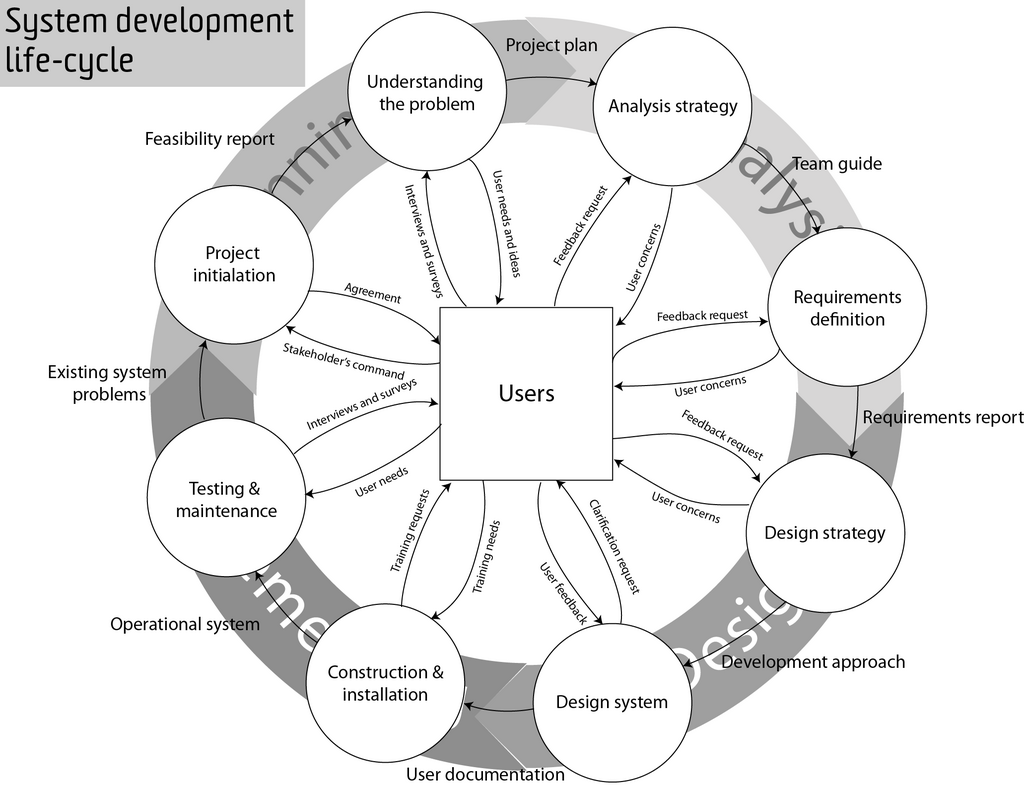
The ADM is designed as a cycle, which means it’s not a one-and-done project. Organizations constantly change, and their architecture must evolve too. The ADM cycle allows architects to revisit and refine the architecture continuously, ensuring it remains aligned with the business as it grows and adapts to new challenges.
The role of the ADM is to provide a reliable, repeatable process. It guides architects through a series of phases, from defining the scope and vision to managing the implementation and overseeing changes. This structured approach helps ensure that all critical aspects of the architecture are considered and that the final result is comprehensive, consistent, and meets the needs of all stakeholders.
In short, if TOGAF is the blueprint, the ADM is the set of instructions for creating, reading, and updating that blueprint over time.
Time to review what we've covered.
Now, let's test your understanding.
What is the primary purpose of the TOGAF framework?
What does the acronym ADM stand for in the context of TOGAF?
TOGAF provides the framework, and the ADM provides the process. Together, they offer a powerful tool for building and managing an effective enterprise architecture that drives business success.