Introduction to the World of Football
Origins of Football
Kicking Through History
Long before stadiums and scoreboards, people across the world played games that involved kicking a ball. The ancient Chinese played a game called cuju over two thousand years ago, which involved kicking a leather ball through an opening in a silk cloth. The Greeks had episkyros, and the Romans played harpastum, both rough-and-tumble games that were part of military training.
In medieval Europe, particularly in England, these games evolved into a chaotic spectacle known as "mob football." Entire villages would compete, with hundreds of players trying to move an inflated pig's bladder to a goal at the opposite end of town. The rules were simple: pretty much anything went, short of outright murder. These games were wild, violent, and bore little resemblance to the organized sport we know today.
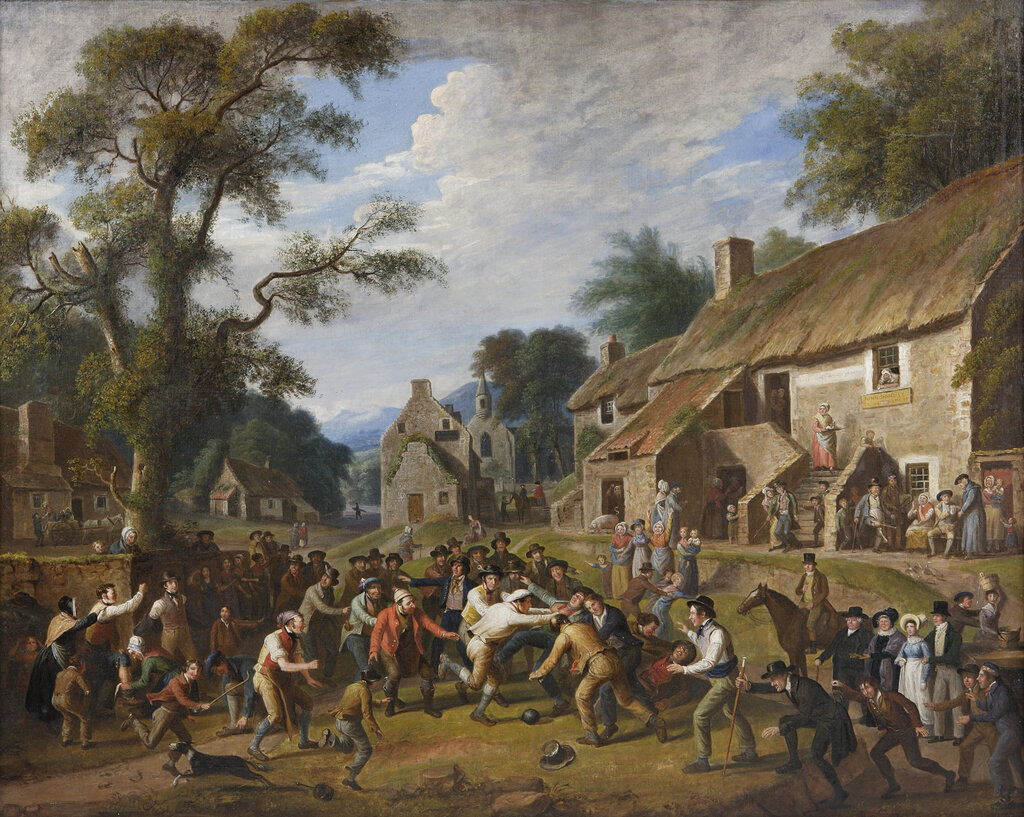
The Great Split
The turning point for modern football came in the 19th century in English public schools. Each school played its own version of the game. When students from different schools tried to play together, chaos ensued. Was it okay to carry the ball? Could you tackle an opponent by grabbing his legs? A standard set of rules was desperately needed.
In 1863, representatives from several London clubs and schools met at the Freemasons' Tavern to sort things out. They formed the Football Association (FA) and hammered out the first universally accepted rules. A key debate was over "hacking," or kicking an opponent in the shins. The group that favored a game based purely on kicking and dribbling the ball prevailed. This became association football, or as it's more commonly known, soccer.
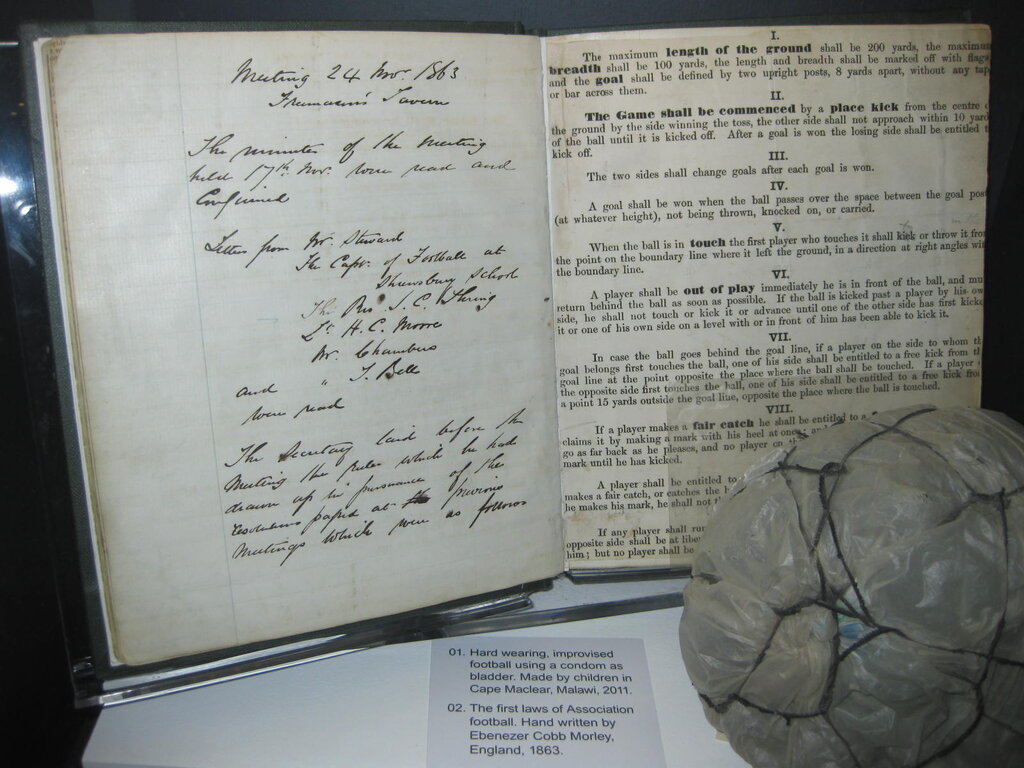
Clubs that preferred a more physical game, one that allowed carrying the ball and tackling, broke away. Their style of play came to be known as rugby football, named after the Rugby School where running with the ball in hand was a popular tradition. This split created two distinct sports, each with its own path of evolution.
A New Game for America
Across the Atlantic, North American universities were playing their own versions of football, which were often a blend of soccer and rugby. A pivotal moment occurred in 1874 when Harvard University played a match against Montreal's McGill University. McGill played by rugby rules, which Harvard's players found much more exciting than their own kicking-focused game. They quickly adopted the rugby style.
This rugby-style game, however, was still wild and disorganized. It needed a visionary to give it structure. That person was Walter Camp, a student and coach at Yale University. Starting in the late 1870s, Camp introduced a series of groundbreaking rule changes that transformed rugby into a distinctly American sport.
Walter Camp
noun
A Yale University student, coach, and athletic director considered the "Father of American Football" for his role in establishing the game's modern rules.
Camp's most important innovations included establishing the line of scrimmage, the system of downs (initially three downs to advance five yards), and the snap from center to a quarterback. These changes introduced strategy, order, and a clear separation of offense and defense, creating the fundamental rhythm of American football that we see today.
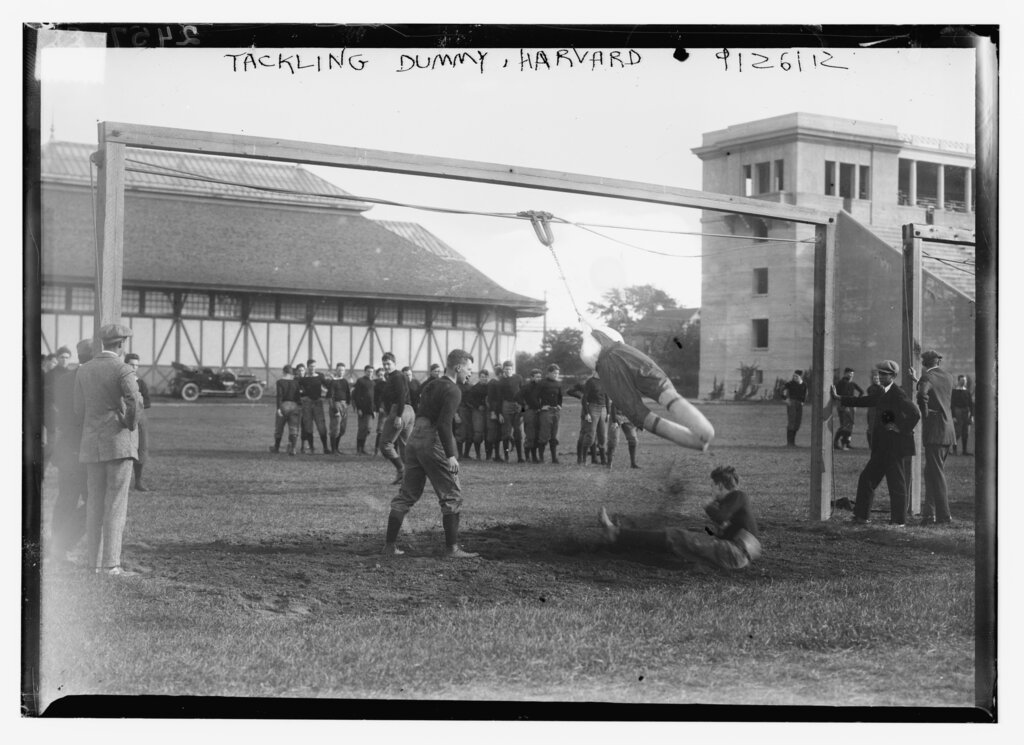
From ancient kicking games and chaotic village brawls to the strategic separation of soccer, rugby, and American football, the sport's journey is one of constant evolution. Each set of rules reflects a different idea of how the game should be played, creating a rich and varied global family of football.
Ready to test your knowledge?
Which ancient game, played over two thousand years ago in China, involved kicking a leather ball through an opening in a silk cloth?
The pivotal split between soccer and rugby in 1863 occurred primarily over a disagreement about...