Introduction to the World of Art
Introduction to Art
What Is Art?
Trying to pin down a single definition for art is like trying to hold water in your hands. It’s a vast and fluid concept that changes across cultures and throughout history. At its core, art is a form of human expression. It’s a way to communicate an idea, a feeling, a story, or a perspective without needing words. It's the physical manifestation of a thought.
Think about the earliest cave paintings. Thousands of years before written language, people were already using images to record their lives, their beliefs, and the world around them. That fundamental impulse—to create, to share, and to make a mark—is what drives art.
Art
noun
The expression or application of human creative skill and imagination, typically in a visual form such as painting or sculpture, producing works to be appreciated primarily for their beauty or emotional power.
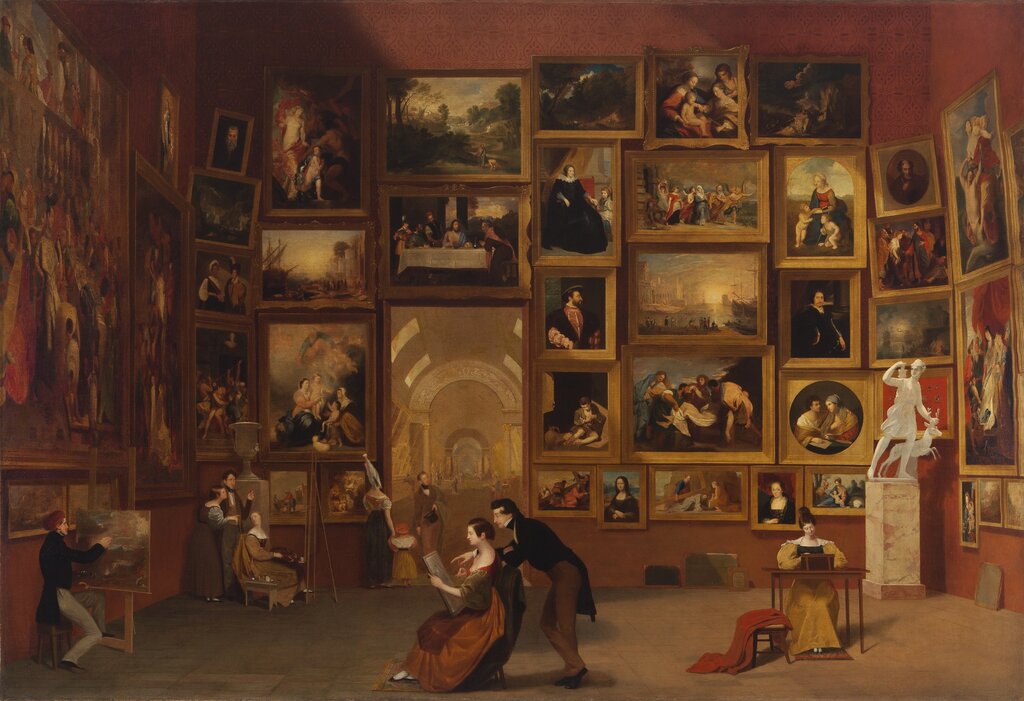
Whether it's a grand oil painting in a museum, a piece of handcrafted pottery, or a dancer's graceful movement across a stage, art is about connection. It connects the creator to their inner world and connects the audience to the creator's vision.
A Universal Language
Art is one of the few things that truly transcends cultural and linguistic barriers. You don’t need to speak Italian to be moved by the sight of Michelangelo's David, nor do you need to understand Japanese to appreciate the delicate lines of a Hokusai woodblock print. Art speaks directly to our shared human experience.
Art, in its myriad forms, serves as a bridge, spanning the vast chasms of linguistic, cultural, and geographical differences.
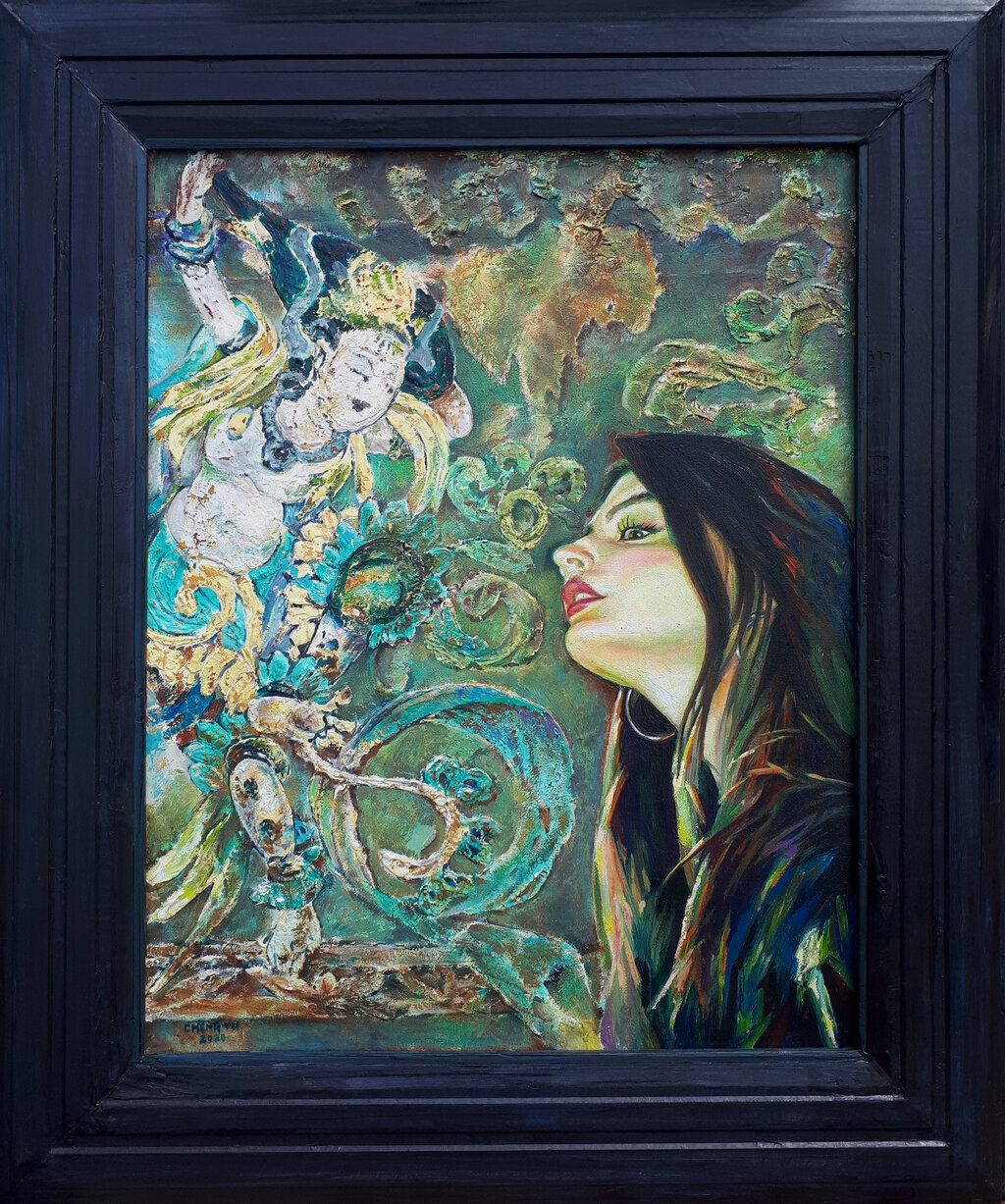
This is because art taps into universal emotions and concepts: joy, sorrow, love, fear, and wonder. It reflects the values, beliefs, and daily lives of the people who create it, offering a unique window into different societies. By looking at the art of a particular time and place, we can learn about their religion, their politics, their social structure, and what they held to be important.
The Many Forms of Art
Art isn't confined to paint on a canvas or marble carved into a statue. It takes countless forms, each with its own techniques and traditions. We can group these into a few broad categories.
| Category | Description | Examples |
|---|---|---|
| Visual Arts | Created primarily for visual perception. | Painting, sculpture, drawing, photography, printmaking. |
| Architecture | The art and science of designing buildings and other structures. | Cathedrals, skyscrapers, homes, bridges. |
| Performance Arts | Art forms that use the artist's own body, face, and presence as a medium. | Theatre, dance, music, opera. |
| Applied Arts | The application of design and aesthetics to objects of function and everyday use. | Pottery, metalwork, furniture design, textiles. |
These categories often overlap. A beautifully designed chair is both a piece of applied art and a sculpture. An elaborate theatrical set combines visual art with performance. The boundaries are flexible, which is part of what makes art so dynamic.
Why We Create
So, what purpose does art serve? Its functions are as varied as its forms. Historically, one of art's primary roles was storytelling. In societies where most people were illiterate, paintings and sculptures in public squares or places of worship taught religious stories and historical events.
Art can be a powerful tool for social and political commentary. Artists often use their work to question authority, protest injustice, and draw attention to pressing societal issues.
Art is also fundamental to religious expression and ritual. From intricate masks used in ceremonies to the soaring stained-glass windows of a cathedral, art helps make the spiritual tangible.
On a deeply personal level, art is a means of self-expression and a way to explore the complexities of the human condition. It also serves to preserve cultural identity, passing down traditions, aesthetics, and values from one generation to the next. Ultimately, art helps us understand ourselves and the world we inhabit.
According to the text, what is the most fundamental impulse behind the creation of art?
Historically, what was a primary function of art in societies with widespread illiteracy?