Introduction to the Stock Market
Introduction to Stocks
What Is a Stock?
Think of a company as a large pizza. If you wanted to own that entire pizza, you'd have to buy the whole thing. But what if you only wanted a small part? You could buy a single slice.
A stock is like a slice of a company. When you buy a stock, you are buying a small piece of ownership in that business. This piece of ownership is also called a "share" or "equity."
A stock is a security that represents a fraction of ownership in a company. The more shares you own, the larger your ownership stake.
Historically, ownership was proven with a physical document called a stock certificate. While most trading is digital today, these certificates are a great reminder of what a stock truly is: a claim on a piece of a business.
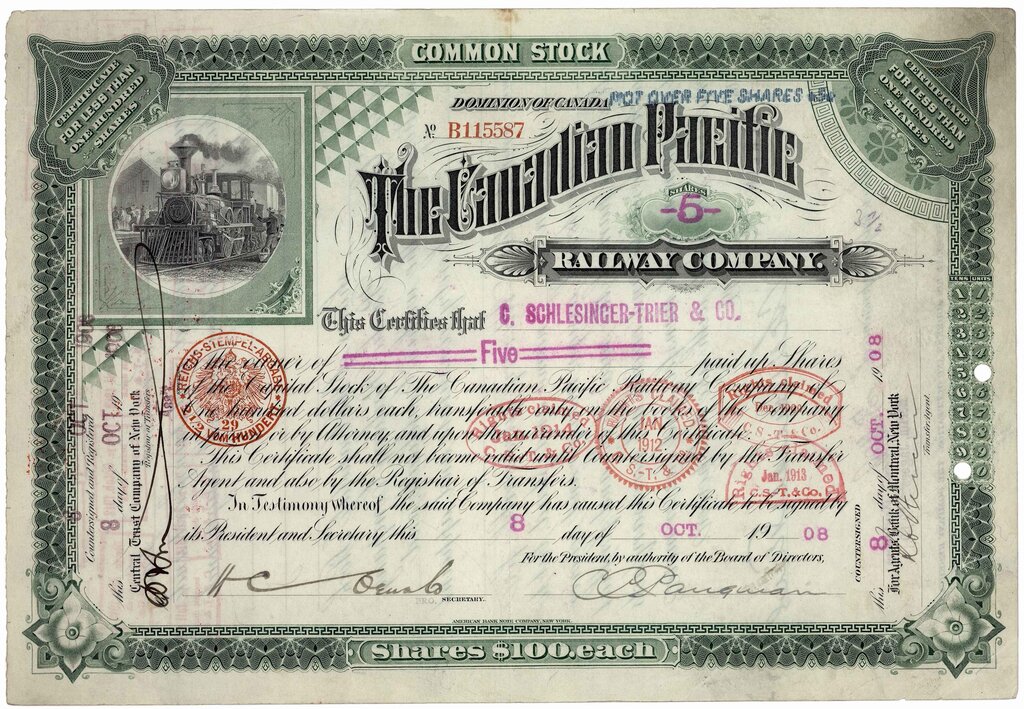
Why Companies Issue Stock
Companies don't give away pieces of themselves for free. They issue, or sell, stock for one primary reason: to raise money. This money is often called capital.
Imagine a successful local coffee shop. The owner wants to expand by opening new locations, buying better equipment, and hiring more staff. This requires a lot of cash. Instead of taking out a large bank loan, the owner can decide to sell shares of the company to the public. Investors provide the company with the cash it needs to grow, and in return, they become part-owners of the business.
This process allows a company to fund its expansion, research new products, or pay off debt without going into debt itself. It's a fundamental way that businesses fuel their growth.
Being a Shareholder
When you own a stock, you become a shareholder. As a part-owner, you have certain rights. The most common and important right is the ability to vote on major company matters. Shareholders typically vote on things like electing the board of directors—the group of people responsible for overseeing the company's management.
Your voting power is proportional to the number of shares you own. Someone who owns 100 shares has 100 times the voting power of someone who owns just one share. While a small shareholder's vote might not seem to change the outcome, collectively, shareholders have the ultimate say in the company's direction.
Besides voting rights, shareholders also have a claim on the company's assets and profits. If the company does well, the value of your shares may increase. If the company decides to distribute some of its profits to owners, you may receive a payment called a dividend. Owning stock means you get to participate in the company's successes.
What does owning a stock fundamentally represent?
What is the primary reason companies sell stock to the public?
That's the basic idea. A stock is your ticket to owning a piece of a business, with rights and potential rewards that come along with it.