Introduction to the Stock Market
Introduction to Stocks
What is a Stock?
Think of a company as a large pizza. If you buy a stock, you're buying a single slice of that pizza. That slice represents your ownership stake in the company. The more slices you own, the larger your piece of the company.
A stock represents a share of ownership in the issuing company.
People often use the words "stock," "share," and "equity" to mean the same thing. A company's total ownership is divided into a certain number of shares. When you own stock, you own some of those shares.
Shareholder
noun
An individual, company, or institution that owns at least one share of a company's stock. A shareholder is a part-owner of the company.
Rights of a Shareholder
Owning a stock isn't just a number in an account; it comes with certain rights. The most common right is the ability to vote on major company decisions. This could include electing the board of directors, who are responsible for overseeing the company's management. Each share you own typically gets you one vote.
Shareholders may also be entitled to a portion of the company's profits, which are paid out as dividends. If the company does well, it might decide to share some of its earnings with its owners, the shareholders. It's important to remember that not all companies pay dividends. Many growing companies prefer to reinvest their profits back into the business to fuel further expansion.
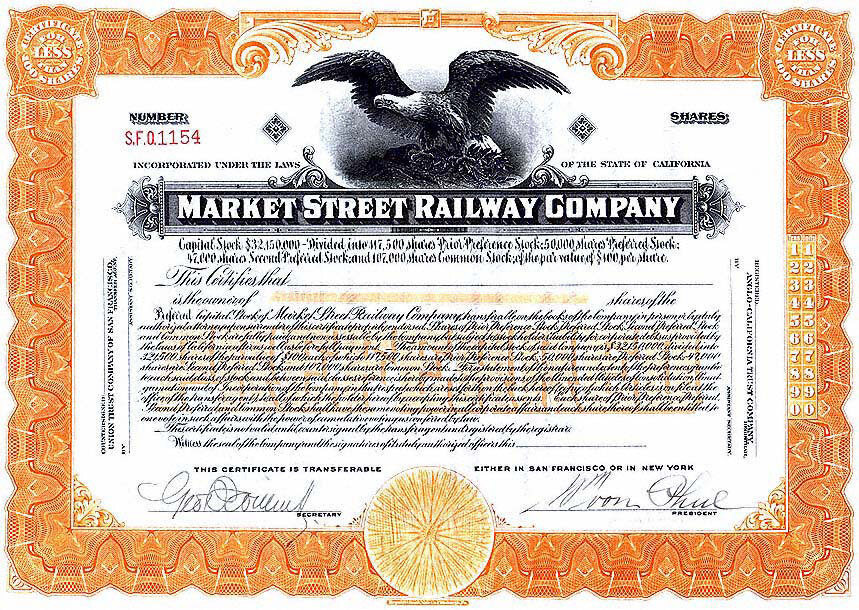
What about responsibilities? The good news is that as a shareholder, your liability is limited. This means you are not personally responsible for the company's debts or obligations. If the company goes bankrupt, the most you can lose is the amount you invested. You won't have creditors knocking on your door.
The Stock Market
So, where do you buy and sell these shares? That happens on the stock market. The stock market isn't a single physical place but a vast network where buyers and sellers trade stocks. It has two main parts: the primary market and the secondary market.
The stock market acts as a crucial link, connecting companies that need money to grow with people who want to invest their savings.
First, let's look at the primary market. This is where a company sells its stock for the very first time, directly to investors. This process is called an Initial Public Offering, or IPO. The money from this sale goes directly to the company, which can then use it to fund its operations, expand, or pay off debt.
After the IPO, the action moves to the secondary market. This is the stock market most people are familiar with. Here, investors trade shares among themselves without the company's direct involvement. If you buy shares of a well-known company today, you are participating in the secondary market. The money from your purchase goes to the seller who owned the shares before you, not to the company itself.
This structure provides a way for companies to raise capital initially and then creates a dynamic environment where the value of that ownership can be traded among investors.
Using the analogy of a company as a pizza, what does owning one share of stock represent?
When a company first sells its stock directly to investors to raise money, this event is called an...
Understanding these basics is the first step. You now know what a stock is, the role of a shareholder, and how the stock market is structured to serve both companies and investors.