Introduction to the Stock Market
Stock Market Basics
Where Companies and Capital Meet
At its core, the stock market is a giant, organized marketplace. But instead of selling fruits or antiques, it sells ownership in companies. These small pieces of ownership are called shares, or stock.
For companies, the market is a way to raise money, or capital. Imagine a successful coffee shop that wants to expand nationwide. Opening hundreds of new stores requires a lot of cash. By selling shares to the public, the company gets the funds it needs to grow. In return, the people who buy those shares, called investors, own a small piece of the company and have a claim on its future profits.
For investors, the market offers a chance to grow their money by owning parts of successful businesses. If the coffee shop does well, its value increases, and so does the value of its shares.
The U.S. stock market is a platform where investors buy and sell ownership stakes—called shares—in publicly listed companies.
This buying and selling doesn't happen on a street corner. It takes place on organized platforms called stock exchanges.
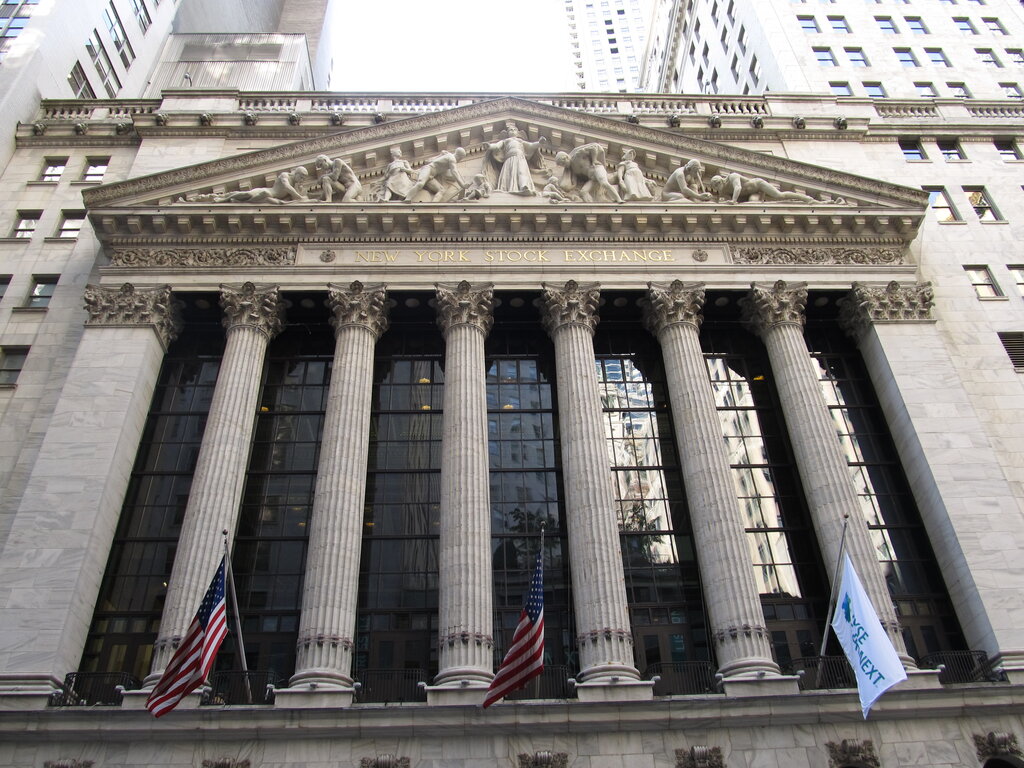
The two most famous exchanges in the U.S. are the New York Stock Exchange (NYSE) and the Nasdaq. The NYSE is known for its physical trading floor, where brokers traditionally shouted orders, though most trading is electronic now. It tends to list older, more established companies.
Nasdaq, on the other hand, has always been an electronic exchange. It has no physical trading floor and is famous for being the home of many of the world's largest technology companies.
Going Public
A company doesn't just appear on a stock exchange. The process of a private company offering its shares to the public for the first time is called an Initial Public Offering, or IPO.
IPO
noun
The first time a private company makes its shares available for sale to the general public, listing them on a stock exchange.
Think of the IPO as a company's debutante ball. Before the big day, the company works with investment banks to decide how many shares to sell and at what price. This initial sale of stock is on the primary market. The company receives all the money from this initial sale.
After the IPO, things move to the secondary market. This is what most people think of as the stock market. It's where investors buy and sell shares from each other, not directly from the company. The price of the stock now goes up and down based on supply and demand. If more people want to buy a stock than sell it, the price rises. If more want to sell than buy, the price falls.

Tracking the Market
With thousands of companies listed on exchanges, how can you tell how the market is doing overall? You look at a stock index.
A stock index is a curated collection of stocks that represents a portion of the market. It provides a snapshot of the market's health. When you hear news anchors say "the market was up today," they're usually referring to a major index.
Think of an index as a statistical tool, not something you can invest in directly. It's a benchmark to measure performance against.
Two of the most watched indices are:
-
The S&P 500: This index tracks the performance of 500 of the largest U.S. companies. Because it's so broad, it's often considered the best representation of the overall U.S. stock market.
-
The Dow Jones Industrial Average (DJIA): Often just called "the Dow," this index tracks 30 large, well-known American companies. While it's historically significant, its small size makes it less representative of the total market than the S&P 500.
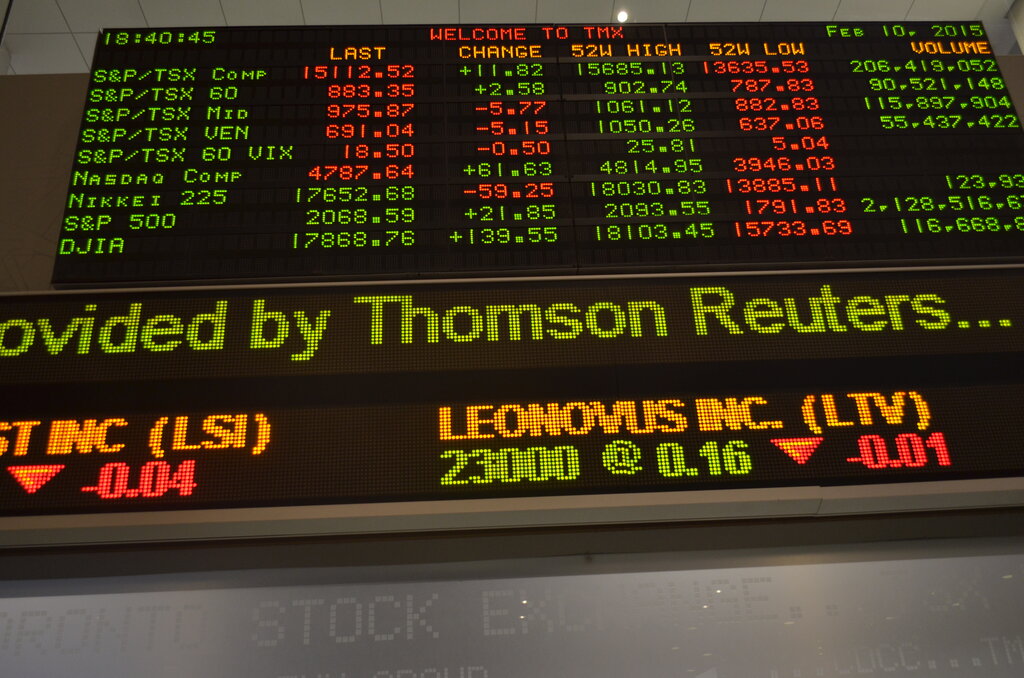
These indices help investors understand broad market trends without having to follow every single stock. They are the pulse of the market, telling a story of economic confidence, corporate health, and investor sentiment.
Now, let's check your understanding of these core concepts.
What is the primary reason a company conducts an Initial Public Offering (IPO)?
When you hear that "the market was up today," the speaker is most likely referring to the performance of a major stock index.