Introduction to the Soviet Union
Origins and Formation
The End of an Empire
By 1917, the Russian Empire was cracking under the immense pressure of World War I. Millions of soldiers were dead, food shortages sparked riots in the cities, and faith in Tsar Nicholas II had crumbled. The first break came in February. Protests in the capital, Petrograd, spiraled into a full-blown revolution, forcing the Tsar to abdicate. A new Provisional Government took over, but it was weak and failed to solve the country's deep-seated problems.
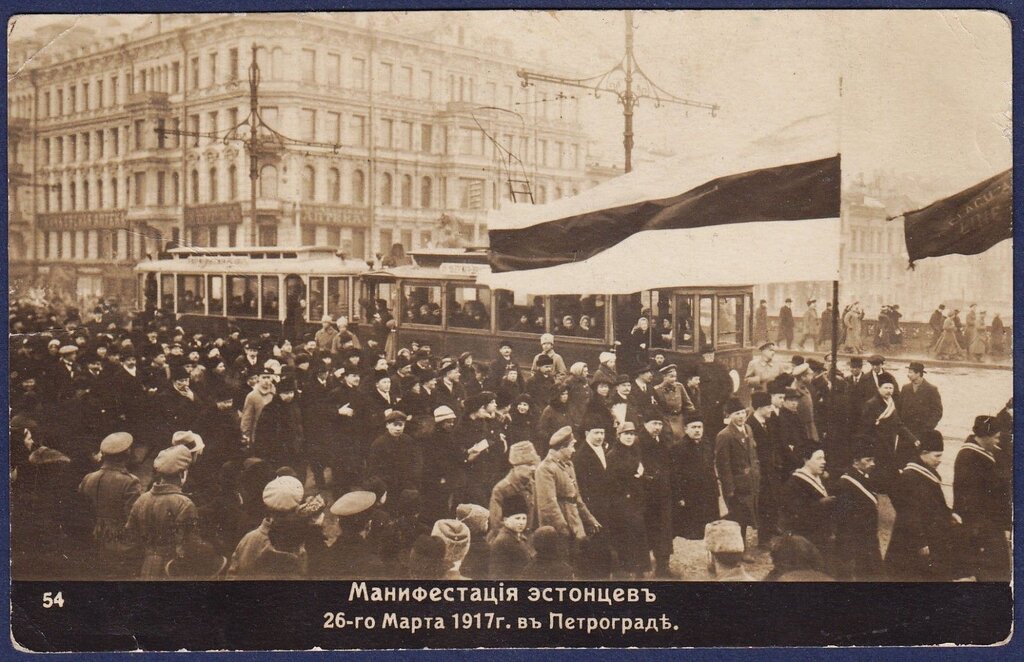
Amid this chaos, a radical socialist party called the Bolsheviks, led by the exiled Vladimir Lenin, saw their opportunity. Smuggled back into Russia, Lenin rallied support with a simple, powerful message: "Peace, Land, and Bread." He promised an end to the war, land for the peasants, and food for the starving cities. In October 1917, the Bolsheviks acted. Their armed supporters, the Red Guards, stormed the Winter Palace and arrested the Provisional Government. The Bolsheviks were now in charge.
A Nation Divided
Seizing power was one thing; holding it was another. The Bolsheviks' takeover ignited a brutal civil war that tore the former empire apart. On one side was the newly formed Red Army, fighting to establish a socialist state. On the other was the White Army, a loose and disunified coalition of monarchists, liberals, and other anti-Bolshevik groups. Foreign powers, including the United States, Britain, and Japan, intervened, mostly to support the Whites.
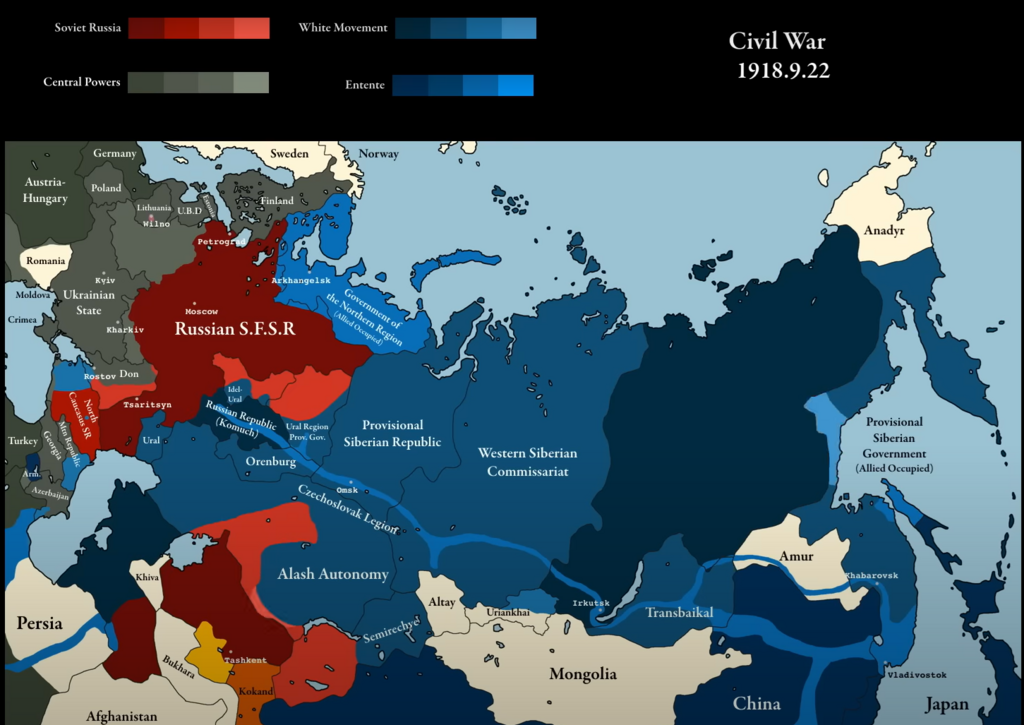
The war lasted for nearly five years and was devastating. Both sides committed atrocities, and the fighting, combined with famine and disease, led to millions of deaths. The Bolsheviks, led by Leon Trotsky as head of the Red Army, were more politically unified and controlled Russia's industrial heartland. They implemented a harsh policy known as "War Communism," seizing grain from peasants to feed the army and cities. Despite facing enemies on all fronts, the Red Army's discipline and central command eventually overwhelmed the fragmented White forces.
Forging a New State
By 1922, the Bolsheviks had emerged victorious. Their immediate task was to consolidate control and rebuild a shattered nation. They had already established the Russian Soviet Federative Socialist Republic (RSFSR) in 1918 as the core of their new state. During the Civil War, they had also gained control over other territories that declared themselves Soviet republics, like Ukraine and Belarus.
The Bolsheviks envisioned a new kind of country, a federation of socialist states built on the power of workers' and peasants' councils, or 'soviets'.
In December 1922, leaders from the Russian, Transcaucasian, Ukrainian, and Byelorussian soviet republics came together. They signed a treaty that officially merged their nations into a single federal state: the Union of Soviet Socialist Republics (USSR), commonly known as the Soviet Union.
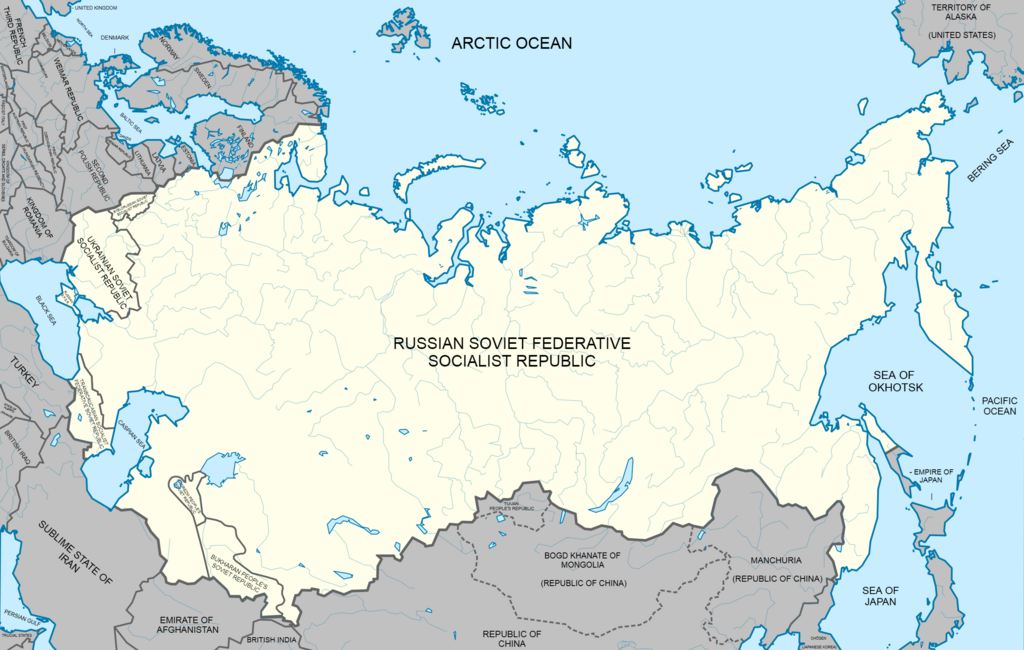
This new union was, in theory, a voluntary association of equal republics. In practice, power was heavily centralized in Moscow, the new capital, and held firmly by the Communist Party, as the Bolsheviks now called themselves. The formation of the USSR marked the end of a long and bloody chapter and the beginning of a seventy-year experiment in building a communist society.
What was the immediate outcome of the February Revolution in 1917?
What was the core promise of the Bolsheviks' powerful slogan, "Peace, Land, and Bread"?