Introduction to the Science of Psychology
Introduction to Psychology
What Is Psychology?
Psychology is the scientific study of the mind and behavior. It’s a field that seeks to understand why we think, feel, and act the way we do. Everything you do, from breathing to solving complex problems, falls under the umbrella of psychology.
At its core, psychology is about understanding what makes people tick. It’s a science, meaning it relies on careful observation and testing to understand behavior and mental processes.
Psychologists have four main goals, which guide their research and practice. These goals help structure how questions about behavior and the mind are studied.
| Goal | Question It Answers | Example |
|---|---|---|
| Describe | "What is happening?" | Observing a child's behavior on the playground. |
| Explain | "Why is it happening?" | Theorizing that the behavior is due to shyness. |
| Predict | "When will it happen again?" | Predicting the child will act similarly in new groups. |
| Change | "How can it be changed?" | Developing strategies to help the child build confidence. |
A Brief History
While people have been wondering about the mind for thousands of years, psychology as a formal science is relatively young. Its roots lie in philosophy and physiology. Philosophers like Aristotle and Plato grappled with questions about the nature of the mind, knowledge, and existence. At the same time, physiologists studied the brain and nervous system, providing the biological groundwork for understanding mental life.
The turning point came in 1879. A German professor named Wilhelm Wundt opened the first-ever psychology laboratory at the University of Leipzig. This event is widely considered the official birth of psychology as a distinct scientific discipline. Wundt's lab was dedicated to studying the mind through a method called introspection, where people would report their own conscious experiences.
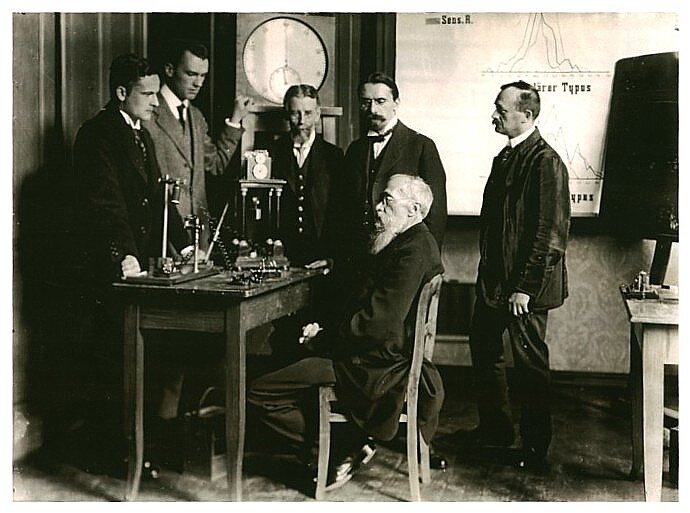
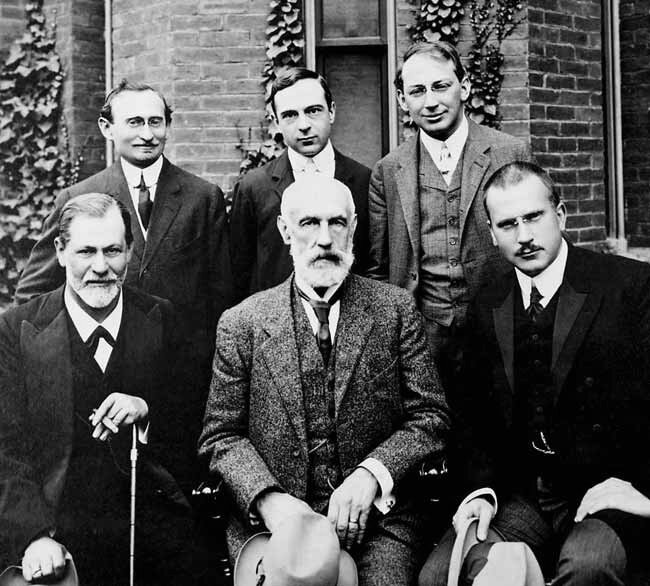
From these beginnings, the field grew rapidly. In the United States, William James, a philosopher and physician at Harvard, developed an approach known as functionalism, which focused on how the mind helps us adapt to our environment. Soon after, Sigmund Freud in Austria introduced psychoanalysis, a theory that emphasized the influence of the unconscious mind on behavior. These pioneers set the stage for the diverse perspectives that define psychology today.
The Many Faces of Psychology
Psychology isn't just one single subject. It's a vast field with many different areas of specialization, called subfields. Each subfield focuses on a specific aspect of human thought and behavior. Think of it like medicine, where you have general practitioners as well as specialists like cardiologists and dermatologists.
From understanding how we learn to helping people with mental health issues, there's a subfield of psychology for almost every question about the human experience.
Here are just a few of the major subfields:
| Subfield | What It Studies |
|---|---|
| Clinical Psychology | Assesses and treats mental, emotional, and behavioral disorders. |
| Cognitive Psychology | Focuses on mental processes like thinking, memory, and problem-solving. |
| Developmental Psychology | Studies how people grow and change throughout their entire lifespan. |
| Social Psychology | Explores how people's thoughts, feelings, and behaviors are influenced by others. |
| Biopsychology | Examines the relationship between biology (especially the brain) and behavior. |
These are just a handful of examples. Other areas include educational psychology, industrial-organizational psychology, and health psychology, each offering a unique lens through which to understand ourselves.
Psychology is formally defined as the scientific study of what?
Who is credited with establishing the first psychology laboratory in 1879, marking the birth of psychology as a distinct scientific discipline?
This introduction gives you a starting point for exploring the fascinating world of psychology. You've learned what it is, where it came from, and the different forms it takes.